 Tel:
Tel:  Email:
  WhatsApp:
 Description
Key Technical Characteristics (Based on PM3326B Series Documentation)
- Topology: Full-bridge, high-frequency switching with transformer isolation
- Input Range: 160–400 VDC (compatible with 270 VDC MIL-STD-704F aircraft bus)
- Output Regulation: Tight line/load regulation (<1%), low ripple/noise
- Protections: Overvoltage (OVP), overcurrent (OCP), overtemperature (OTP), short-circuit protection
- Cooling: Conduction-cooled (baseplate mount) or forced-air (depending on variant)
- Mechanical Form: Half-brick or custom chassis-mount module (~4.6″ × 2.4″ × 0.5″)
- Compliance: Designed to meet MIL-STD-461 (EMI), MIL-STD-704 (power quality), MIL-STD-810 (environmental)
- MTBF: >100,000 hours (per MIL-HDBK-217F, ground benign conditions)
System Role and Criticality
The PM3326B-6-1-2-E serves as a primary power conversion stage in military and aerospace electronics that operate from a 270 VDC high-voltage DC (HVDC) bus—a standard in modern fighter jets, naval vessels, and armored vehicles to reduce weight and improve efficiency over traditional 28 VDC systems.
It provides clean, isolated, and tightly regulated secondary power to sensitive downstream components such as:
- FPGA-based signal processors
- RF amplifiers
- Analog sensor interfaces
- Communication transceivers
Failure of this converter typically results in complete loss of subsystem functionality. In non-redundant designs (common in size/weight-constrained platforms), this can degrade mission capability or trigger safety shutdowns. Due to its integration into sealed or conformally coated assemblies, field replacement is often complex and requires system-level re-calibration.
Reliability Concerns and Failure Modes
Despite rugged design, aging PM3326B units exhibit predictable failure mechanisms:
- Electrolytic capacitor degradation: Especially in older builds; leads to increased output ripple, voltage droop, or startup failure.
- Solder joint fatigue: From thermal cycling in high-power operation; causes intermittent connections or open circuits.
- Magnetic component insulation breakdown: High-voltage stress over time can compromise transformer isolation integrity.
- Control IC obsolescence: Internal PWM or supervisory ICs are no longer available, making board-level repair difficult.
- Baseplate delamination: In conduction-cooled variants, poor thermal interface material (TIM) aging reduces heat transfer, accelerating semiconductor wear.
Preventive actions include:
- Periodic thermal imaging under load
- Output ripple and regulation testing
- Verifying input fuse and EMI filter integrity
- Storing spares in climate-controlled, static-safe environments
Lifecycle Status and Mitigation Strategy
Pioneer Magnetics discontinued the PM3326B series years ago, with no direct active replacement. The company (now part of TTM Technologies) focuses on newer platforms like the PM5000/PM6000 families, which may not be pin- or form-factor compatible.
Procurement challenges:
- No authorized new production
- Secondary market units often lack test data or traceability
- Counterfeit risk is elevated for obsolete mil-spec parts
Recommended mitigation approaches:
- Strategic Spares Acquisition: Purchase and burn-in test multiple units from reputable surplus vendors (e.g., with MIL-PRF-38534 or AS9120 certification).
- Reverse Engineering & Re-manufacture: Engage specialized firms to clone the unit using modern components (requires full electrical and mechanical characterization).
- System Redesign: Replace with a COTS DC-DC module from vendors like VPT, Crane Interpoint, or ABB that meet MIL-STD-704/461—though this may require PCB or enclosure modifications.
- Power Architecture Upgrade: In platform modernization programs, migrate to a distributed 28 VDC or 48 VDC architecture using modern POL (point-of-load) converters.
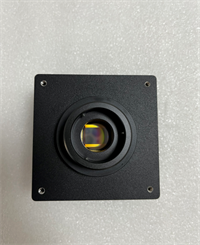
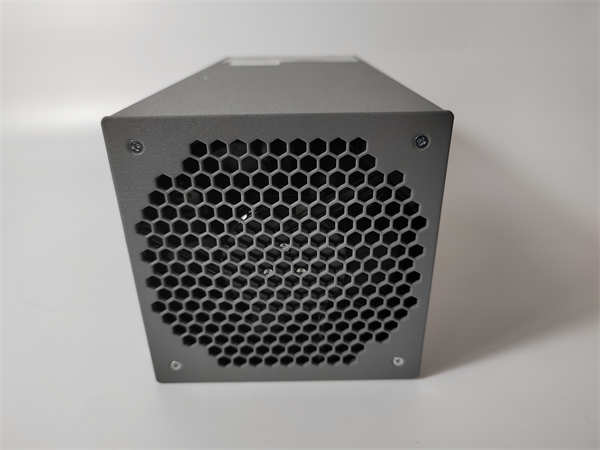
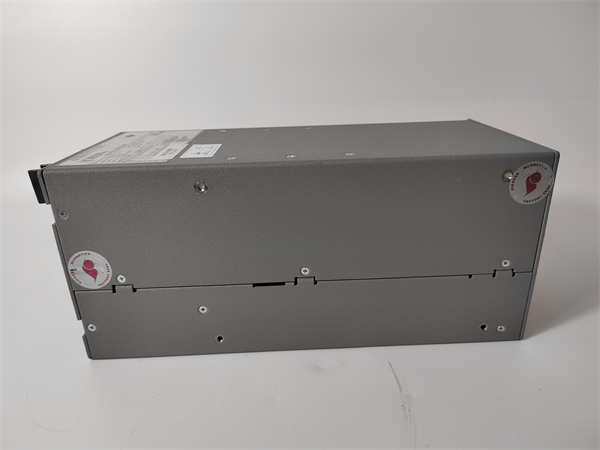
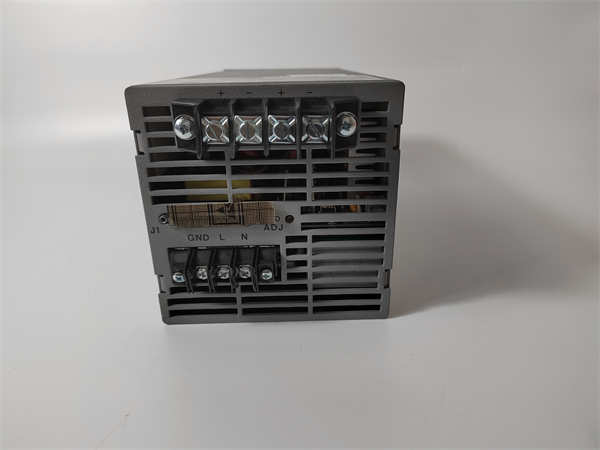
PIONEER MAGNETICS PM3326B-6-1-2-E 80026-529-01
Summary
The Pioneer Magnetics PM3326B-6-1-2-E (80026-529-01) is a high-performance but obsolete military DC-DC converter critical to legacy defense systems. While robust in its time, its discontinuation poses significant sustainment risks. Organizations relying on this module should prioritize spare validation, failure mode monitoring, and long-term migration planning to avoid mission-critical power failures in aging platforms.