 Tel:
Tel:  Email:
  WhatsApp:
 Description
Key Technical Specifications (For Spare Part Verification)
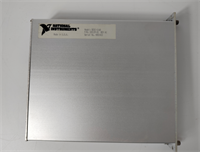
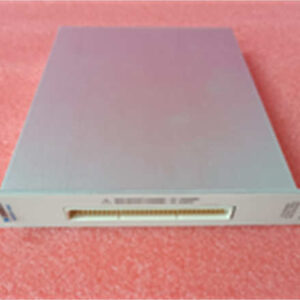
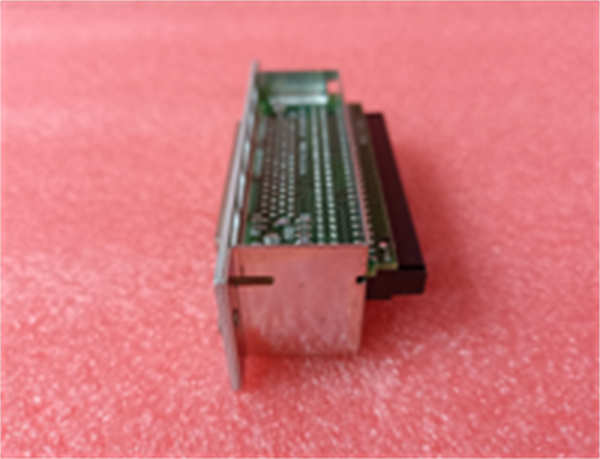
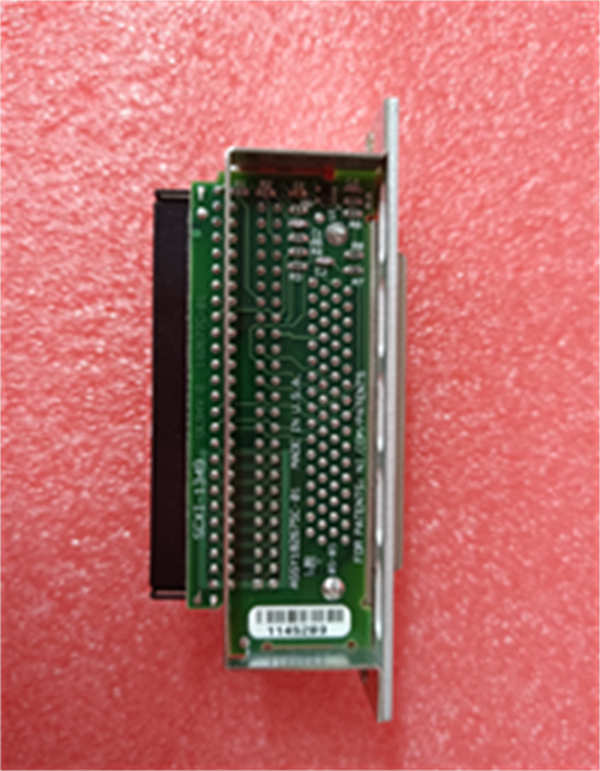
- Model: SCXI-1349
- Manufacturer: National Instruments
- Platform: SCXI (Signal Conditioning eXtensions for Instrumentation) modular chassis system
- Relay Type: Electromechanical, latching (bistable) relays
- Channels: 8 independent SPDT (single-pole double-throw) relays
- Switching Capacity: Up to 2 A at 30 VDC or 125 VAC (resistive load)
- Contact Material: Ruthenium alloy for low-level signal reliability
- Switching Speed: Approximately 5 ms operate time, 2 ms release time
- Isolation: 250 Vrms between channels and to chassis ground
- Connector: DIN 41612 backplane interface; front-panel screw terminals (removable terminal block)
- Compatible Host: Requires SCXI chassis (e.g., SCXI-1000, SCXI-1001) and compatible DAQ board (e.g., PCI-6251, PCIe-6321)
System Role and Downtime Impact
The SCXI-1349 serves as a programmable switching matrix in automated test and measurement systems, commonly used in aerospace validation, power electronics testing, and production burn-in stations. It allows a single DAQ system to service multiple devices or test points by dynamically rerouting signals—eliminating manual patch panels. If this module fails, the system loses the ability to switch between test configurations automatically. In high-mix production test environments, this can halt all testing until the module is replaced, directly impacting throughput and delivery schedules. In long-duration environmental tests, failure may result in incomplete data sets or missed fault detection.
Reliability Analysis and Common Failure Modes
Although designed for industrial use, the SCXI-1349 is prone to mechanical and electrical wear due to its reliance on moving parts. The primary failure mechanisms include:
- Relay contact wear or welding: Repeated switching of inductive or capacitive loads causes arcing, leading to contact erosion or, in severe cases, welded contacts that cannot open. This is accelerated by exceeding the rated current or switching without snubber circuits.
- Coil driver failure: The internal relay coil drive circuitry can degrade over time, especially if exposed to voltage spikes from the SCXI power rails, resulting in “stuck” relays that no longer respond to software commands.
- Terminal block corrosion or loosening: Vibration in industrial settings can cause front-terminal screws to loosen, creating intermittent connections that mimic relay faults.
A key design limitation is the absence of built-in relay status feedback—users cannot verify actual contact position via software, only command state. This makes fault diagnosis difficult without external continuity checks.
Recommended preventive maintenance includes:
- Logging total switching cycles per channel and retiring modules approaching 1 million operations
- Performing periodic continuity and insulation resistance tests during scheduled downtime
- Ensuring loads are within resistive ratings and using external flyback diodes for inductive loads
- Cleaning terminal blocks and verifying torque on screw terminals annually
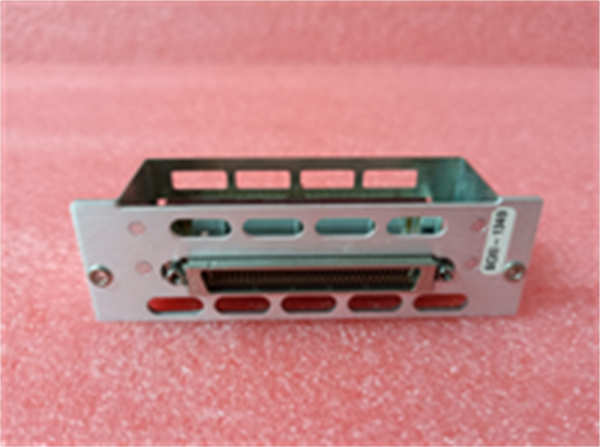
NI SCXI-1349
Lifecycle Status and Migration Strategy
National Instruments discontinued the entire SCXI product line, including the SCXI-1349, with final orders accepted in 2017 and last shipments completed by 2018. No official repair services or firmware updates are available. Continued use carries risks of sudden obsolescence, lack of OS/driver support (especially on Windows 10/11), and increasing mean time to repair (MTTR) due to spare scarcity.
Short-term mitigation strategies include:
- Acquiring and functionally testing 1–2 backup units from certified surplus suppliers
- Implementing manual bypass procedures for critical test paths
- Isolating SCXI systems on dedicated legacy PCs to avoid driver compatibility issues
For long-term sustainability, NI recommends migrating to the CompactDAQ (cDAQ) or PXI platforms. The closest functional replacements are:
- NI 9401 (for general-purpose digital I/O with relay control capability)
- NI 9485 (8-channel solid-state relay module, 60 VDC/1 A) – though not electromechanical, it offers higher cycle life
- NI PXI-2569 (in PXI form factor) for high-density electromechanical switching
Migration requires:
- Replacement of the SCXI chassis with a cDAQ or PXI chassis
- Rewiring field connections to new I/O modules
- Updating LabVIEW or DAQmx code to use new module APIs and timing characteristics
While migration involves engineering effort, it restores access to warranty coverage, modern cybersecurity standards, and integration with enterprise data systems—making it essential for any test operation requiring long-term reliability.