
 Tel:
Tel:  Email:
  WhatsApp:
 Description
Key Technical Specifications (For Spare Part Verification)
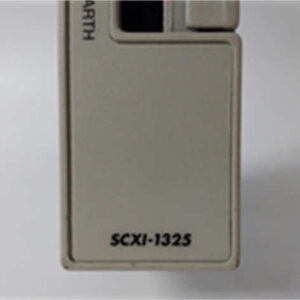
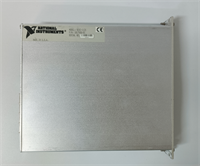
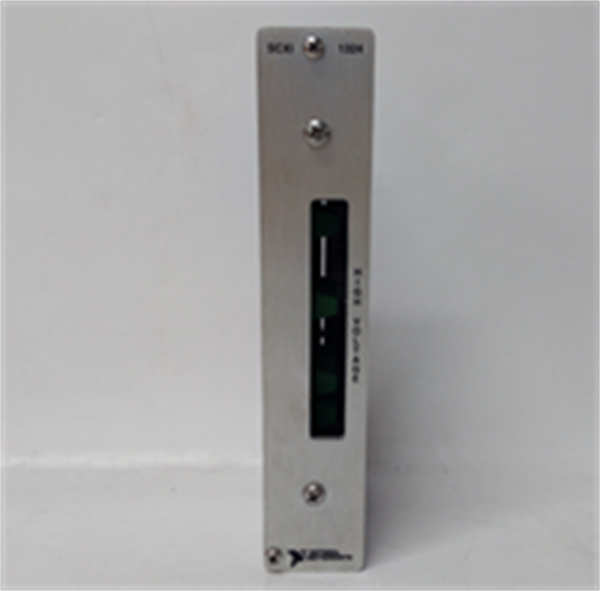
- Model: SCXI-1324
- Manufacturer: National Instruments
- Platform: SCXI (Signal Conditioning eXtensions for Instrumentation)
- Channels: 8 configurable as input or output
- Input Voltage Range: 0 to 30 VDC (with hysteresis for noise immunity)
- Output Type: Open-collector, sink up to 100 mA per channel
- Isolation: 250 Vrms channel-to-channel and channel-to-chassis (optical + transformer isolation)
- Logic Threshold: Input high > 10 V, low < 2 V (typical)
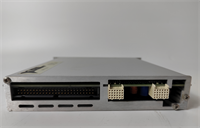
- Connector: 50-pin IDC front panel I/O
- Required Chassis: SCXI-1000 series or compatible mainframe
- Software Support: Traditional NI-DAQ and legacy NI-DAQmx versions
System Role and Downtime Impact
The SCXI-1324 typically serves as the industrial-grade digital gateway in legacy test and data acquisition systems—especially in automotive, power electronics, and aerospace validation labs. It safely interfaces 24 VDC factory signals (e.g., limit switches, solenoid status, relay feedback) to the sensitive SCXI backplane, preventing ground loops and electrical transients from damaging upstream instruments. In a battery pack tester, for example, it might monitor contactor status or emergency stop signals. If this module fails—due to blown output drivers, degraded optocouplers, or connector corrosion—the system may lose critical safety feedback or be unable to trigger external devices, leading to incomplete tests or unsafe operating conditions. Because it’s deeply embedded in custom test sequences, replacement isn’t trivial, often causing extended downtime.
Reliability Analysis and Common Failure Modes
The SCXI-1324 was engineered for harsh environments, but time has exposed its vulnerabilities. The most frequent failure is output transistor burnout, usually caused by accidental short circuits or inductive kickback from unclamped loads (e.g., relays or valves). While the open-collector design offers flexibility, it lacks built-in flyback protection—a known design limitation.
Another weak point is the optocoupler aging: after 10–15 years of continuous operation, LED efficiency in the isolators degrades, increasing propagation delay or causing intermittent signal dropout. This is hard to detect without functional testing under load.
Additionally, the 50-pin IDC connector is susceptible to oxidation and mechanical stress, especially in systems with frequent module swaps. Cold solder joints on high-current traces can also develop over thermal cycles.
Preventive maintenance recommendations:
- Avoid driving inductive loads directly; always use external flyback diodes
- Periodically verify output sink capability with a dummy load (e.g., 24 V / 100 Ω)
- Inspect connector pins for green corrosion or bent contacts before installation
- Monitor for increased logic errors in high-noise environments—may indicate failing isolation
- Keep spare units powered occasionally to prevent electrolytic capacitor degradation (though minimal in this design)
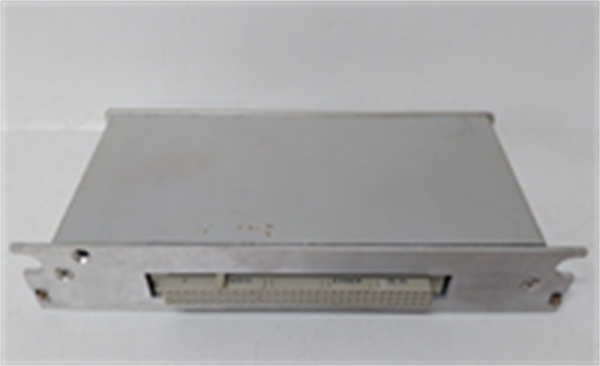
NI SCXI-1324
Lifecycle Status and Migration Strategy
National Instruments has fully sunset the SCXI platform, including the SCXI-1324. No factory repairs, firmware updates, or new units are available. Continued use carries operational risk: no technical support, no calibration traceability from NI, and increasing difficulty validating second-hand units.
Short-term mitigation options include:
- Sourcing tested units from certified surplus vendors with functional reports
- Implementing external signal conditioners to offload digital I/O from aging SCXI modules
- Using FPGA-based workarounds in companion PXI systems to emulate lost functionality
For a sustainable path forward, migration to PXI/PXIe digital I/O is strongly advised. Recommended replacements:
- NI PXI-6528: 24-channel isolated digital I/O with similar specs (30 VDC, 150 mA/channel), supported in modern NI-DAQmx
- NI PXIe-6535: High-speed digital I/O if timing-critical applications are involved
Migration requires:
- Replacing the SCXI chassis with a PXIe controller and chassis
- Rewiring field connections to match new terminal blocks or cables
- Updating LabVIEW or TestStand code to use current driver APIs
While this demands engineering effort, it restores long-term supportability, improves diagnostic visibility, and aligns the test system with current industry standards—transforming an obsolescence liability into a modernization opportunity.