 Tel:
Tel:  Email:
  WhatsApp:
 Description
Technical Specifications (For Spare Part Verification)
- Model: SCXI-1193
- Manufacturer: National Instruments
- Platform: SCXI (Signal Conditioning eXtensions for Instrumentation)
- Switch Configuration: 32 SPDT (Single-Pole Double-Throw) relays
- Frequency Range: DC to 500 MHz
- Impedance: 50 Ω nominal
- Insertion Loss: < 0.6 dB at 500 MHz
- Isolation: > 55 dB at 500 MHz
- VSWR: < 1.25:1 at 500 MHz
- Switching Voltage/Current: Up to 30 VDC, 1 A per channel
- Connector Type: SMA (front panel, removable)
- Compatible Chassis: SCXI-1000 series (e.g., SCXI-1001, SCXI-1000DC)
- Control Interface: SCXI backplane via SCXI-1600 or PXI/PCI DAQ controller with interface cable
System Role and Downtime Impact
The SCXI-1193 functions as a high-density RF signal router in legacy automated test systems, commonly found in aerospace avionics validation, cellular base station component testing, and defense electronics manufacturing. It enables a single vector network analyzer (VNA) or spectrum analyzer to sequentially measure dozens of RF ports on a device under test (DUT) without manual cable swapping. If the SCXI-1193 fails—due to relay sticking, contact wear, or control logic fault—the entire RF test sequence collapses. Because these systems are often qualified under strict regulatory protocols (e.g., FAA, MIL-STD), replacing the module with an uncalibrated or non-identical unit may invalidate test certifications, leading to extended downtime and costly requalification efforts.
Reliability Analysis and Common Failure Modes
Although built with high-reliability electromechanical relays, the SCXI-1193 is susceptible to wear and environmental stress due to its frequent switching cycles and sensitive RF performance requirements. Key failure mechanisms include:
- Relay contact degradation: Repeated switching under RF load causes arcing and oxidation, increasing insertion loss and VSWR over time—especially when hot-switching signals. Units used in high-cycle ATE environments (>1 million operations) show accelerated wear.
- SMA connector fatigue: Frequent mating/de-mating or cable strain can loosen SMA interfaces, introducing impedance mismatches and phase instability at higher frequencies.
- Control circuit failure: Aging CMOS logic or power regulation components on the module’s digital board can cause partial or total loss of relay addressing, rendering channels unresponsive.
- Thermal stress: Poor chassis ventilation leads to heat buildup, accelerating relay coil degradation and solder joint fatigue.
Preventive maintenance recommendations:
- Log cumulative switch cycles per channel and prioritize replacement before end-of-life ratings are exceeded.
- Perform periodic RF calibration (insertion loss, isolation, VSWR) using a VNA to detect early performance drift.
- Secure RF cables with strain relief to minimize torque on SMA connectors.
- Ensure SCXI chassis fans are operational and filters are clean to maintain ambient temperature below 40°C.
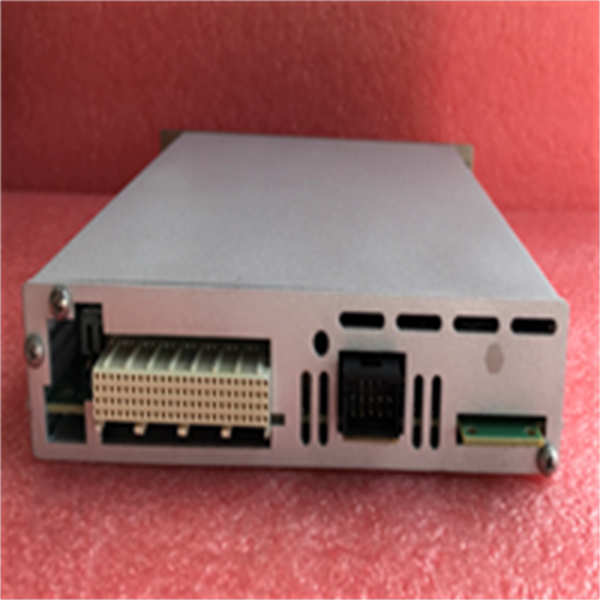
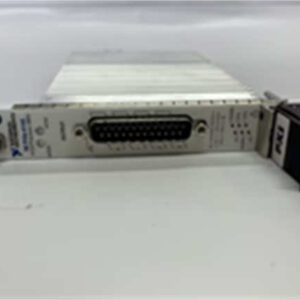
NI SCXI-1193
Lifecycle Status and Migration Strategy
National Instruments discontinued the entire SCXI platform, including the SCXI-1193, with no direct drop-in replacement offered. The module has been unavailable through official channels for more than a decade. Continued reliance on this hardware introduces severe operational risk: no factory support, no repair options from NI, and a shrinking pool of used units—many of which have unknown usage history or degraded relays.
Interim Mitigation Options:
- Acquire multiple tested spares now while limited inventory remains, ensuring they come with full RF performance verification data.
- Implement usage monitoring to avoid unnecessary switching and extend remaining life.
- Consider third-party refurbishment services that can replace relays and recalibrate RF paths (though long-term component availability is uncertain).
Recommended Migration Path:
NI’s modern alternative for high-density RF switching is the PXIe-2790 series (e.g., PXIe-2796: 18 SPDT relays up to 26.5 GHz) used within a PXI Express chassis. This transition requires:
NI’s modern alternative for high-density RF switching is the PXIe-2790 series (e.g., PXIe-2796: 18 SPDT relays up to 26.5 GHz) used within a PXI Express chassis. This transition requires:
- Rewiring the test fixture to new RF connectors (SMA or 2.92 mm).
- Updating test software from legacy SCXI API calls to NI-SWITCH and modern DAQmx frameworks.
- Revalidating the entire RF measurement uncertainty budget.
While migration demands engineering investment, it delivers superior performance (higher frequency, faster switching, better repeatability), compatibility with current LabVIEW and TestStand versions, and access to active technical support. For organizations with multiple SCXI-based ATE stations, a staged migration—starting with highest-utilization systems—is the most pragmatic approach to mitigate obsolescence risk.