 Tel:
Tel:  Email:
  WhatsApp:
 Description
Key Technical Specifications (For Spare Part Verification)
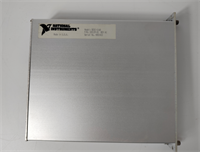
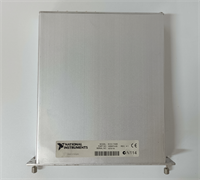
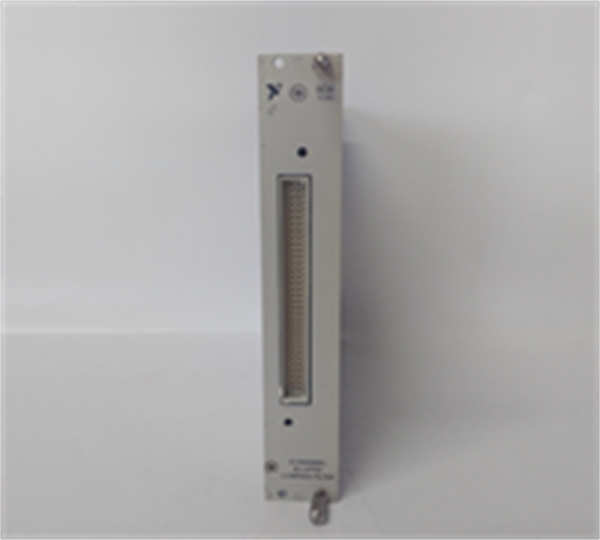
- Model: SCXI-1141
- Manufacturer: National Instruments
- Platform: SCXI (Signal Conditioning eXtensions for Instrumentation)
- Input Channels: 8 differential, simultaneously sampled
- Input Ranges: ±10 V, ±5 V, ±2.5 V, ±1.25 V (software-selectable)
- Resolution: 16-bit ADC
- Sampling Rate: Up to 333 kS/s aggregate (41.6 kS/s per channel simultaneous)
- Isolation: 300 Vrms channel-to-channel and channel-to-chassis
- Required Terminal Block: SCXI-1349 (for direct BNC or screw-terminal connection)
- Host Interface: Must be installed in an SCXI chassis (e.g., SCXI-1001) connected via MXI, PCI, or USB DAQ controller
- Calibration: Onboard self-calibration supported via software
System Role and Downtime Impact
The SCXI-1141 was a cornerstone module in high-channel-count, phase-sensitive data acquisition systems deployed from the late 1990s through the 2000s. It is commonly found in aerospace structural testing (e.g., fatigue rigs), power generation monitoring retrofits, and rotating machinery analysis where precise time alignment across channels is essential—such as measuring torsional vibration or modal response.
Because it enables simultaneous sampling, replacing it with a multiplexed input module would compromise data integrity in dynamic tests. If the SCXI-1141 fails, the entire measurement chain for its assigned sensors collapses. In non-redundant setups—which is typical—this forces immediate suspension of testing or process monitoring, potentially delaying certification, maintenance schedules, or production validation by days or weeks while a verified spare is sourced.
Reliability Analysis and Common Failure Modes
The SCXI-1141’s reliability is primarily threatened by component aging and environmental stress. The most prevalent failure mechanism involves the degradation of surface-mount electrolytic capacitors on the analog front-end and power regulation circuits. After 15+ years of service, these capacitors lose capacitance and increase ESR, leading to baseline drift, increased noise floor, or intermittent channel dropouts—especially under thermal cycling.
A second vulnerability lies in the precision instrumentation amplifiers and anti-aliasing filters. Exposure to electrical overstress (e.g., from sensor wiring faults or ground potential differences) can permanently damage these sensitive analog components, causing gain errors or complete channel failure. Additionally, the module’s calibration constants are stored in EEPROM; while rare, repeated power interruptions during write cycles can corrupt this data, requiring re-calibration or rendering the module unusable.
Preventive maintenance recommendations include:
- Conducting annual full-scale accuracy and crosstalk tests using a calibrated signal source
- Visually inspecting the PCB for capacitor bulging, solder joint cracks, or discoloration near op-amps
- Ensuring proper grounding of the SCXI chassis and sensor shields to minimize common-mode stress
- Avoiding hot insertion/removal unless the chassis explicitly supports it, to prevent backplane arcing
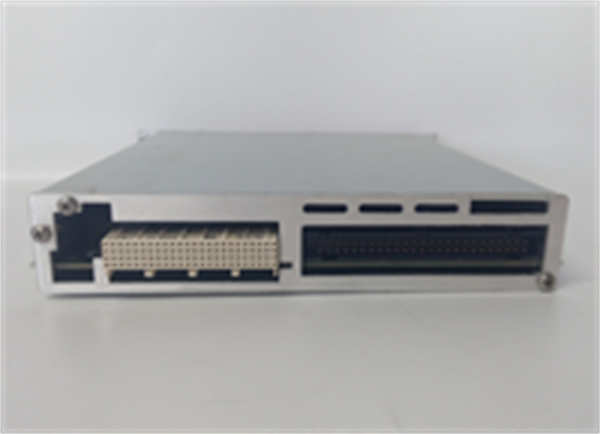
NI SCXI-1141
Lifecycle Status and Migration Strategy
National Instruments discontinued the entire SCXI product line over a decade ago, with the SCXI-1141 no longer supported in modern versions of NI-DAQmx or LabVIEW beyond compatibility mode. Continuing to rely on this module introduces escalating operational risk: functional spares are dwindling, prices have surged, and untested units may fail shortly after installation.
Short-term mitigation includes procuring pre-tested modules from specialized legacy DAQ suppliers or engaging in board-level repair (e.g., capacitor replacement and recalibration). However, these approaches do not address long-term obsolescence.
The recommended migration path is to transition to NI’s CompactDAQ platform. The closest functional replacement is the NI 9239 (4-channel, ±10 V, 24-bit, simultaneous-sampling, isolated analog input C Series module). To match the 8-channel count, two NI 9239 modules in a cDAQ-9178 or cDAQ-9188 chassis are required. This upgrade entails:
- Rewiring sensors to new terminal blocks (BNC or screw-terminal variants available)
- Updating DAQmx tasks and LabVIEW VIs to use the new device names and timing engines
- Revalidating anti-aliasing filter settings and sampling rates due to architectural differences
Although migration requires engineering effort, it restores access to warranty coverage, driver updates, and scalable I/O—critical for maintaining compliance and operational continuity in regulated industries. For systems where migration is deferred, maintaining at least two fully tested spares is strongly advised to mitigate unplanned downtime.