 Tel:
Tel:  Email:
  WhatsApp:
 Description
Technical Specifications (For Spare Parts Verification)
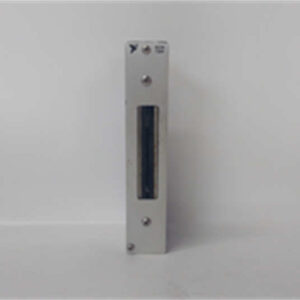
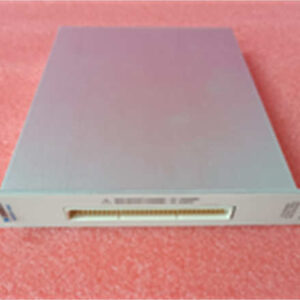
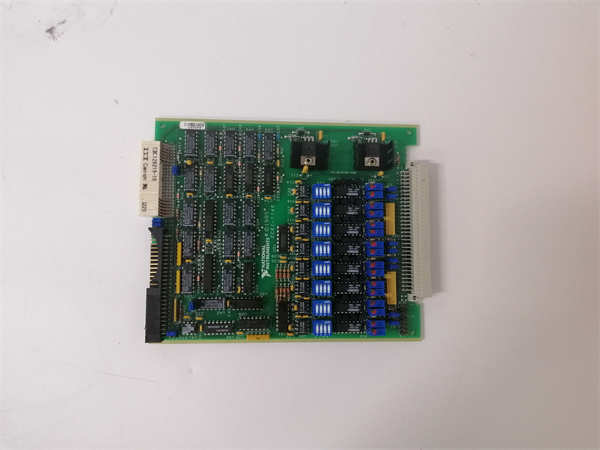
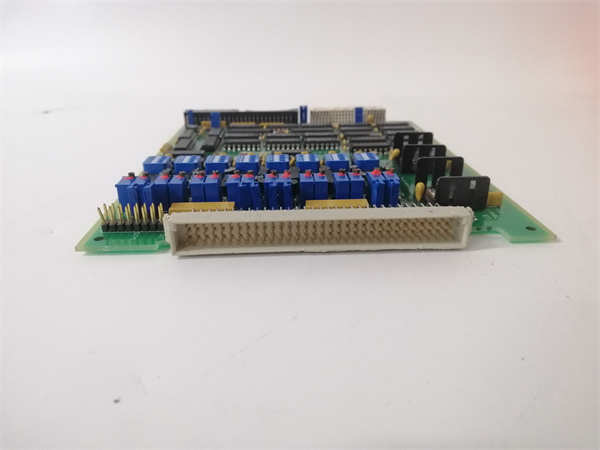
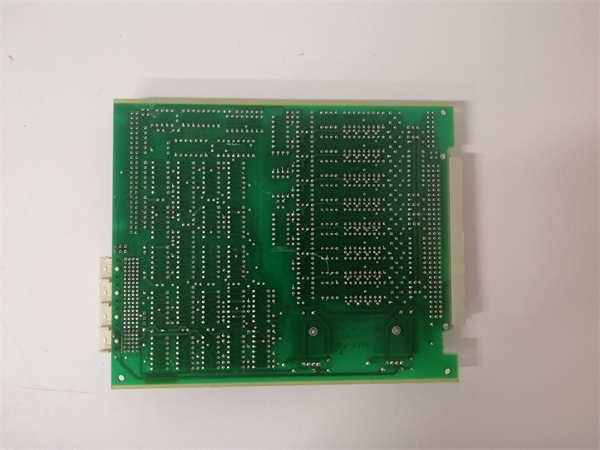
- Model: SCXI-1140
- Manufacturer: National Instruments
- Platform: SCXI modular chassis (e.g., SCXI-1000, SCXI-1001)
- Channels: 32 independent SPST (Single-Pole Single-Throw) electromechanical relays
- Switching Capacity:
- Voltage: Up to 60 VDC / 30 VAC (rms)
- Current: Up to 1 A per channel (resistive load)
- Power: Max 60 W per channel
- Contact Material: Ruthenium-coated (low-level signal compatible)
- Relay Type: Latching or non-latching variants (depends on sub-model; standard SCXI-1140 is non-latching)
- Isolation: 300 V channel-to-channel and channel-to-chassis
- Actuation Time: ~5 ms typical
- Expected Mechanical Life: 10⁷ operations (at rated load); significantly less under frequent switching
- Connectors: Two 37-pin D-sub (VHDCI-style) front-panel I/O connectors
- Control Interface: Backplane communication via SCXI bus to host controller (e.g., PXI, PCI, or USB via SCXI-1600)
- Software Support: Originally supported in LabVIEW, Measurement & Automation Explorer (MAX), and NI-DAQmx
System Role and Downtime Impact
The SCXI-1140 was widely deployed in automated test equipment (ATE) for aerospace, automotive, and electronics manufacturing—used to switch sensor excitation, route signals to DAQ devices, or simulate fault conditions. In a battery tester, for example, it might connect individual cells to a load bank; in an avionics bench, it could inject test signals into multiple LRUs (Line Replaceable Units).
A failed relay can cause:
- Open circuit: Missing measurement → false pass/fail result
- Stuck-closed relay: Cross-talk or short circuit → damaged UUT (Unit Under Test)
- Intermittent contact: Unrepeatable test results → costly requalification
Because SCXI systems are often embedded in custom test sequences with years of validation, replacing the SCXI-1140 isn’t trivial—firmware revisions, relay timing, and pinout must match exactly to avoid software rework.
Reliability Analysis and Common Failure Modes
Despite robust design, the SCXI-1140 suffers from predictable wear due to its electromechanical nature:
- Relay contact wear or welding – especially when switching inductive loads or operating near current limits; leads to stuck-open or stuck-closed states.
- Coil driver failure – internal transistor or PCB trace degradation prevents relay actuation.
- Connector fatigue – repeated cable mating causes bent pins or high contact resistance.
- Contamination – dust or flux residue increases contact resistance, particularly in low-voltage signal applications (<100 mV).
Notably, the module provides no built-in relay health diagnostics. Users typically discover failures only during system self-test or inconsistent measurements.
Preventive maintenance best practices:
- Log relay operation counts (if software supports it) and replace modules proactively at 50–70% of rated life
- Perform continuity and isolation checks during scheduled downtime
- Avoid switching inductive loads without external snubbers
- Keep spare modules powered periodically to prevent contact oxidation
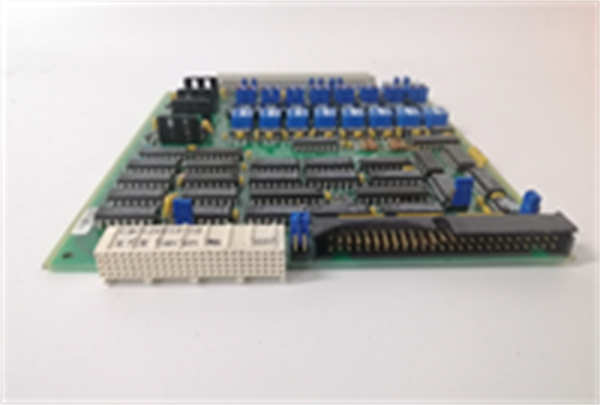
NI SCXI-1140
Lifecycle Status and Migration Strategy
NI officially discontinued the SCXI platform in favor of PXI/PXIe and CompactDAQ. The SCXI-1140 is no longer available through NI or authorized distributors. While NI offered extended support until ~2022, even repair services have ceased.
Short-term mitigation:
- Source tested units from reputable legacy test equipment suppliers (verify relay count and calibration)
- Implement system-level self-tests that verify all 32 channels before critical runs
- Maintain a “golden” backup module for emergency swaps
Long-term migration paths:
- PXI Relay Modules:
- NI PXI-2532B (high-density matrix) or PXI-2527 (multiplexer)
- Requires PXI chassis and updated LabVIEW/DAQmx code
- CompactDAQ + Relay Modules:
- NI 9485 (8-channel SPST relay) – lower density but modern USB/Ethernet interface
- Scalable but may require multiple modules to match 32-channel capacity
- Third-Party LXI Switches:
- Keysight, Pickering Interfaces, or Tektronix offer Ethernet-controlled relay matrices with SCPI command compatibility
Migration considerations:
- Revalidate all test sequences for timing differences (PXI relays are often faster)
- Update safety interlocks if switching higher-power signals
- Archive original SCXI configuration files for regulatory traceability
Final Recommendation
The SCXI-1140 remains functional in many labs, but its obsolescence poses growing operational and compliance risks—especially in ISO 17025 or AS9100 environments where equipment traceability is mandatory. Organizations should:
✅ Audit all SCXI-1140 installations
✅ Prioritize replacement in high-utilization or safety-critical test stations
✅ Begin pilot migration to PXI or CompactDAQ within 12–18 months
Delaying action risks unplanned downtime, data integrity issues, or inability to certify products—making proactive lifecycle management essential.