 Tel:
Tel:  Email:
  WhatsApp:
 Description
Technical Specifications (For Spare Part Verification)
- Model: SCXI-1140
- Manufacturer: National Instruments
- Platform: SCXI (Signal Conditioning eXtensions for Instrumentation)
- Input Channels: 8 differential, isolated inputs
- Supported Sensors: Full/half/quarter bridge strain gages, 2-/3-/4-wire RTDs, thermistors
- Excitation Voltage: Programmable ±2.5 V, ±5 V, ±10 V
- Isolation Voltage: 250 Vrms channel-to-channel and channel-to-bus
- Gain Range: 1 to 10,000 (software-selectable)
- Bandwidth: Up to 10 kHz (dependent on gain setting)
- Connector Type: Screw-terminal front panel (removable terminal block)
- Compatible Chassis: SCXI-1000, SCXI-1001, SCXI-1000DC, etc.
- Required Controller: SCXI-1600 or PXI/PCI DAQ device with SCXI interface cable
System Role and Downtime Impact
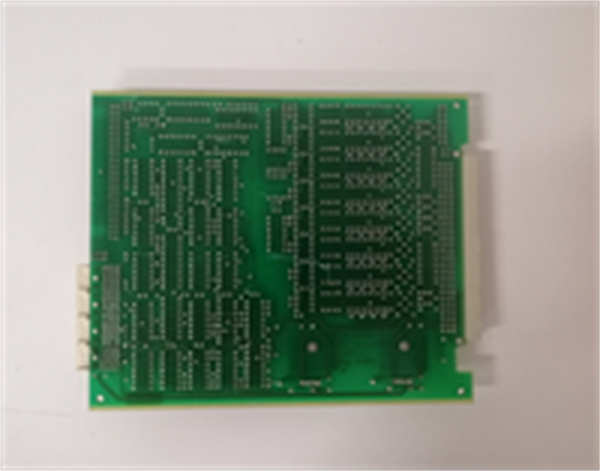
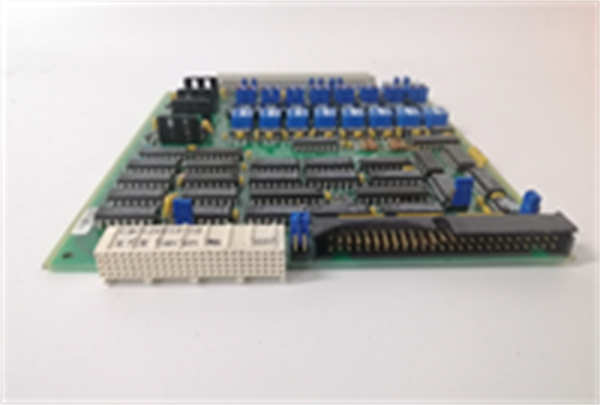
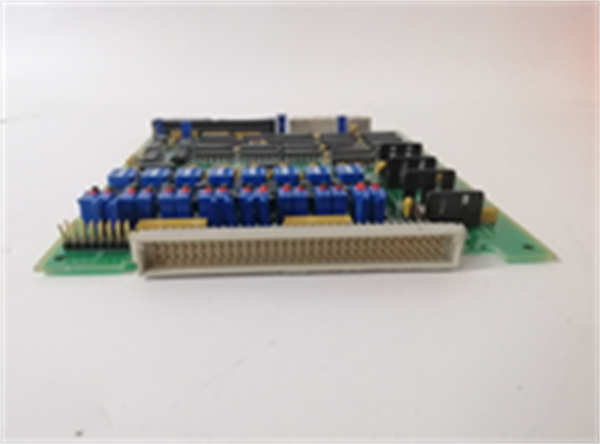
The SCXI-1140 is a foundational signal conditioning module within legacy National Instruments SCXI systems, commonly deployed in structural test, aerospace validation, and industrial R&D environments. It sits between physical sensors (e.g., strain gages on aircraft wings or load cells in fatigue testers) and the data acquisition controller. If this module fails, all eight connected high-precision analog channels become unusable. Because SCXI systems are often custom-configured for specific test protocols, losing one SCXI-1140 can halt an entire validation campaign or production test cell—especially in applications where recalibration or requalification is costly or time-prohibited.
Reliability Analysis and Common Failure Modes
Despite its robust design, the SCXI-1140 is vulnerable to age-related degradation due to its reliance on analog components and long service in demanding environments. The most frequent failure modes include:
- Electrolytic capacitor aging: Power supply filtering capacitors degrade over time, leading to increased noise, drift, or complete power rail instability. Units operating above 40°C or with poor ventilation are at higher risk.
- Excitation circuit drift: Precision voltage references and op-amps in the excitation path can shift, causing inaccurate sensor biasing—particularly critical for strain gage measurements requiring microvolt-level stability.
- Terminal block corrosion: In humid or industrial settings, screw terminals may oxidize, increasing contact resistance and introducing measurement errors.
- Isolation barrier breakdown: Repeated exposure to high common-mode voltages or ESD events can compromise the opto-isolators or isolation amplifiers, resulting in ground loops or safety hazards.
As preventive maintenance, users should:
- Perform annual calibration checks with known reference sensors.
- Inspect and clean terminal blocks during scheduled outages.
- Monitor system noise floors and excitation voltage accuracy as early indicators of internal degradation.
- Avoid hot-plugging modules in live systems to prevent surge damage.
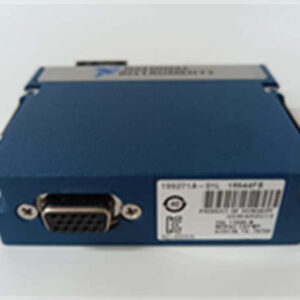
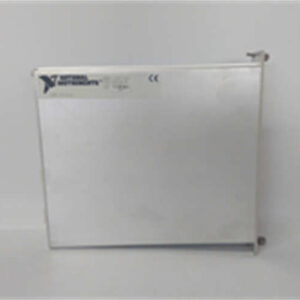
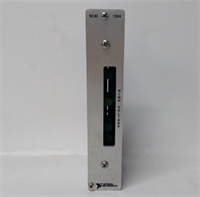
NI SCXI-1140
Lifecycle Status and Migration Strategy
National Instruments officially discontinued the SCXI platform, including the SCXI-1140, in favor of more modern architectures like PXI and CompactDAQ. The SCXI-1140 has been unavailable through official channels for over a decade. Continued use carries significant risks: no factory warranty, no repair services from NI, and dwindling availability of authentic used units—many of which may have unknown usage history or hidden wear.
Interim Mitigation Options:
- Secure tested, calibrated spares from reputable surplus vendors with full traceability.
- Consider third-party board-level repair services specializing in legacy NI hardware (though component obsolescence limits long-term viability).
- Implement system redundancy by duplicating critical channels on separate SCXI modules where feasible.
Recommended Migration Path:
NI’s strategic replacement for SCXI-based strain and RTD measurement is the PXIe-4339 (24-bit, 8-channel bridge input module) used with a PXI Express chassis and compatible controllers (e.g., PXIe-8881). This transition requires:
NI’s strategic replacement for SCXI-based strain and RTD measurement is the PXIe-4339 (24-bit, 8-channel bridge input module) used with a PXI Express chassis and compatible controllers (e.g., PXIe-8881). This transition requires:
- Rewiring sensors to new terminal blocks (BNC or DSUB).
- Updating application software from Traditional DAQ or DAQmx Legacy to modern NI-DAQmx API.
- Recalibrating the entire measurement chain.
While migration involves upfront engineering effort, it delivers long-term benefits: higher sampling rates, better noise immunity, native support for modern OS and development tools (LabVIEW NXG, Python), and access to active technical support. For facilities with multiple SCXI systems, a phased migration plan—starting with highest-risk or highest-value test stations—is strongly advised.