 Tel:
Tel:  Email:
  WhatsApp:
 Description
Key Technical Specifications (For Spare Part Verification)
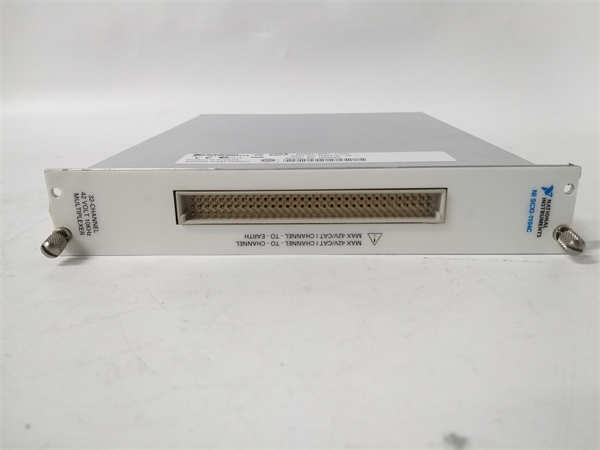
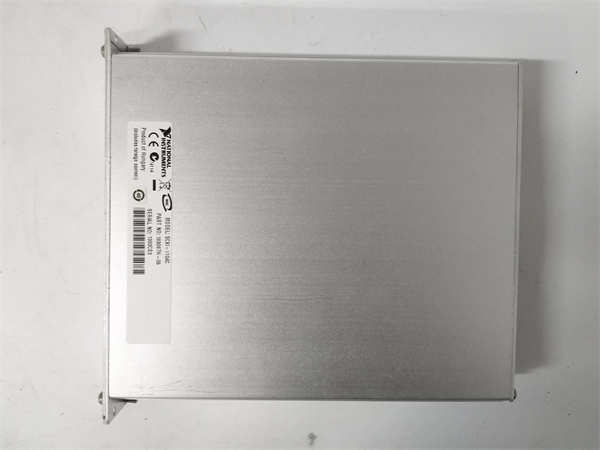
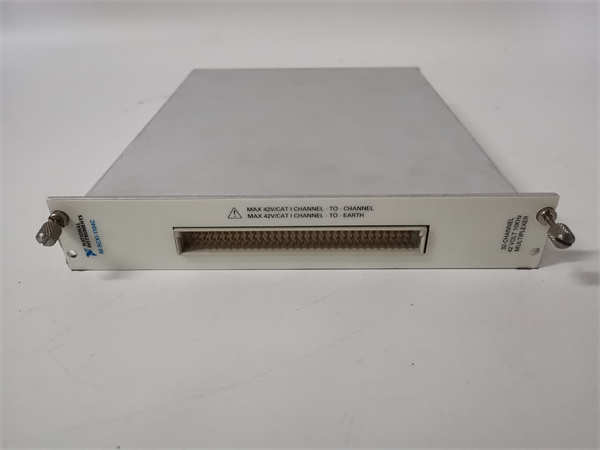
- Product Model: SCXI-1104C
- Manufacturer: National Instruments (NI)
- System Family: SCXI (Signal Conditioning eXtensions for Instrumentation)
- Module Type: Electromechanical relay multiplexer
- Number of Channels: 32 single-ended or 16 differential
- Switching Capacity: ±42 VDC, 1 A per channel (resistive load)
- Relay Type: Latching electromechanical relays
- Bandwidth: DC to 10 MHz (depending on cabling and source impedance)
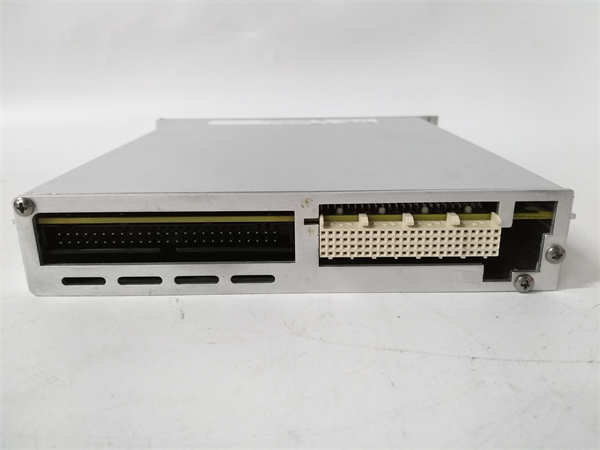
- Connection Type: Screw-terminal or D-sub (via optional terminal blocks)
- Chassis Compatibility: Requires SCXI-1000, SCXI-1001, or similar SCXI mainframe
- Control Interface: Backplane communication via SCXI controller module (e.g., SCXI-1600 or PCI/PCIe interface)
System Role and Downtime Impact
The SCXI-1104C is a critical signal routing component in legacy NI-based automated test equipment (ATE), environmental stress screening (ESS), and laboratory data acquisition systems. It enables a single high-precision DAQ device (e.g., PCI-6251) to measure dozens of sensor channels sequentially by closing specific relays. In applications such as aerospace component validation or power electronics testing, loss of switching functionality—due to relay weld, open coil, or control failure—results in incomplete or corrupted test data, failed compliance checks, or extended system downtime. Because the module often sits at the front end of the measurement chain, its failure may not trigger immediate alarms but can silently degrade data quality, leading to costly retests or undetected product defects.
Reliability Analysis and Common Failure Modes
Despite robust initial construction, the SCXI-1104C is highly susceptible to wear due to its reliance on mechanical relays. The most prevalent failure modes include:
- Relay contact welding or oxidation: Caused by frequent switching under load or exposure to arcing, leading to stuck-closed or high-resistance paths.
- Coil fatigue: Repeated actuation over years degrades the latching mechanism, causing intermittent switching or complete non-response.
- Backplane connector corrosion: Especially in humid or industrial environments, resulting in communication loss with the SCXI controller.
- Terminal block loosening: Vibration or thermal cycling can cause screw terminals to back out, creating open circuits.
A key design limitation is the absence of per-channel health diagnostics—users cannot detect degraded relays without external continuity testing. Additionally, the module lacks built-in surge protection, making it vulnerable to transients from disconnected sensors or ESD events. Preventive maintenance should include:
- Periodic dry-cycle switching (actuating relays without load) to prevent contact stiction
- Measuring contact resistance annually using a precision ohmmeter
- Inspecting terminal torque and signs of arcing or discoloration
- Verifying command/response integrity through self-test routines in LabVIEW or Measurement & Automation Explorer (MAX)
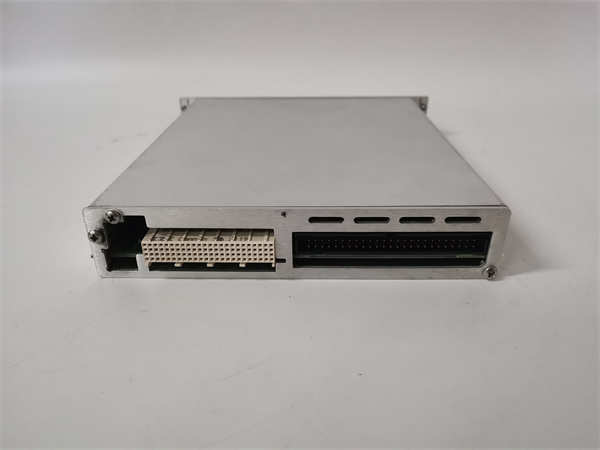
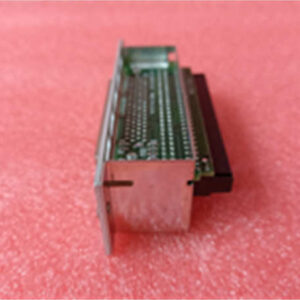
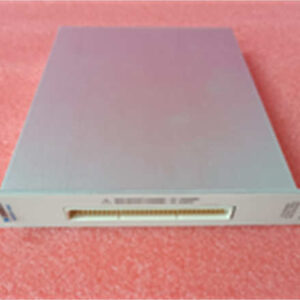
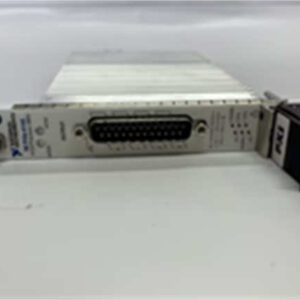
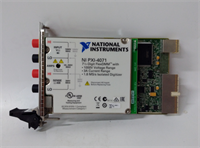
NI SCXI-1104C
Lifecycle Status and Migration Strategy
National Instruments officially discontinued the SCXI platform, including the SCXI-1104C, following its strategic shift toward PXI and CompactDAQ architectures. No new units are available, and factory calibration or repair services have been terminated. Remaining inventory exists only through third-party brokers or decommissioned labs—often without functional verification or traceable calibration history. Continued use introduces substantial risk in regulated or high-throughput test environments.
As an interim measure, operators may:
- Secure tested spares with documented performance logs
- Implement reduced switching duty cycles to extend relay life
- Engage specialized vendors for relay replacement or board-level refurbishment
However, these approaches become less viable as relay components themselves face obsolescence.
The recommended migration path is transition to modern PXI or CompactDAQ platforms. For equivalent functionality, NI (now Emerson) suggests the NI PXIe-2532B (high-density matrix switch) or NI 9205/9206 modules with external solid-state multiplexers in a cDAQ chassis. This upgrade requires redesign of signal conditioning, reprogramming in LabVIEW or TestStand, and potential rewiring—but delivers faster switching, better diagnostics, long-term support, and compatibility with current software ecosystems. A phased approach—starting with highest-utilization or mission-critical test stations—is advised to manage cost and minimize disruption to validation workflows.