 Tel:
Tel:  Email:
  WhatsApp:
 Description
Key Technical Specifications (For Spare Part Verification)
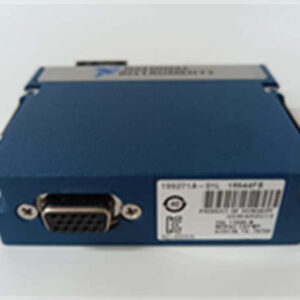
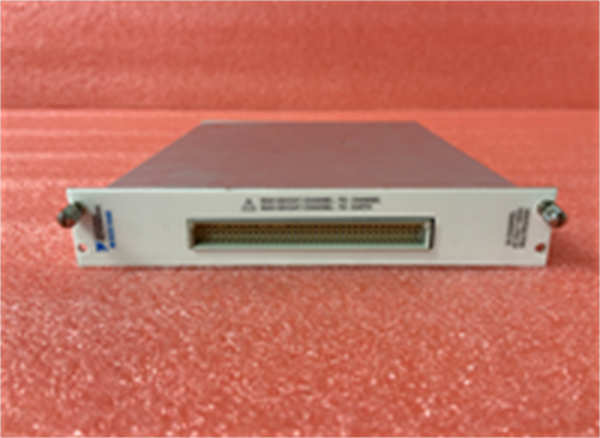
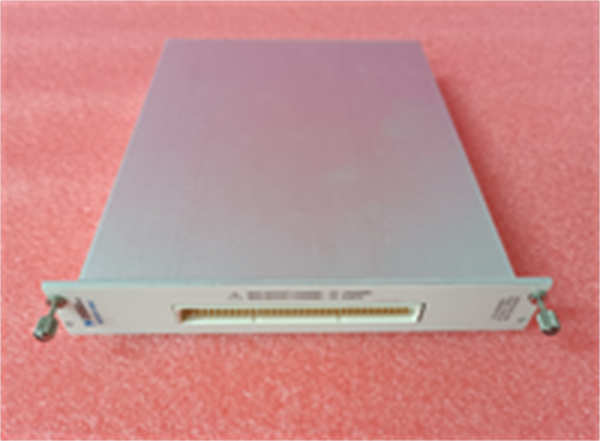
- Model: SCXI-1104C
- Manufacturer: National Instruments
- Platform: SCXI (Signal Conditioning eXtensions for Instrumentation)
- Relay Type: Electromechanical, Form C (SPDT)
- Number of Channels: 32 independent relays
- Contact Rating: 2 A @ 30 VDC (resistive load)
- Switching Speed: ~5 ms typical operate/release time
- Isolation: 300 V channel-to-channel and channel-to-chassis
- Connector: 68-pin VHDCI front panel I/O
- Required Chassis: SCXI-1000, SCXI-1001, or compatible SCXI mainframe
- Driver Support: NI-DAQmx (legacy versions), Traditional NI-DAQ (older systems)
System Role and Downtime Impact
The SCXI-1104C is typically deployed in the front-end signal routing layer of medium-to-large automated test equipment (ATE). It enables a single instrument (e.g., DMM, source measure unit) to sequentially connect to dozens of test points under software control. In aerospace wiring harness testers or power converter validation systems, this module acts as the “traffic director” for measurement signals. If it fails—due to stuck relays, coil burnout, or connector degradation—the entire test sequence stalls. Since modern replacements often require architectural changes, unplanned failure can result in days or weeks of downtime while sourcing a working unit or redesigning the test fixturing.
Reliability Analysis and Common Failure Modes
Despite its robust design, the SCXI-1104C suffers from age-related wear inherent to electromechanical components. The most common failure mode is relay contact welding or sticking, especially when used beyond its rated current or with inductive loads without proper snubber circuits. Over millions of cycles, contact erosion increases resistance, leading to intermittent measurements.
A key weakness lies in its reliance on mechanical integrity: dust, humidity, or corrosive atmospheres in industrial labs can accelerate contact oxidation. Additionally, the VHDCI connector is prone to pin bending or solder joint fatigue if modules are frequently inserted/removed.
For preventive maintenance, technicians should:
- Log cumulative relay actuation counts per channel (if software allows)
- Perform periodic contact resistance checks using a calibrated DMM
- Inspect the front connector for bent pins or debris before insertion
- Avoid hot-plugging; always power down the SCXI chassis first
- Store spare units in static-shielded, dry environments to prevent internal corrosion
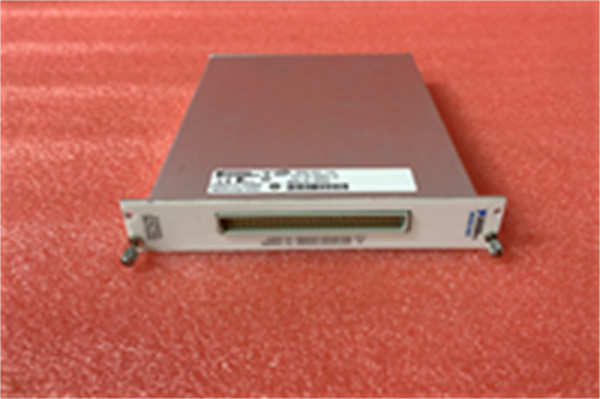
NI SCXI-1104C
Lifecycle Status and Migration Strategy
National Instruments officially discontinued the SCXI platform, including the SCXI-1104C, in favor of PXI and PXIe-based modular instrumentation. No direct drop-in replacement exists. Continuing to operate systems with this module carries significant risk: no factory repair, no new units, and dwindling third-party stock of unknown provenance.
As a temporary measure, organizations can:
- Secure tested, working spares from reputable surplus vendors with performance certificates
- Implement board-level repair services for coil or trace failures (limited success for contact wear)
- Use external standalone switch matrices controlled via GPIB or USB as a bypass
The recommended long-term migration path is to transition to PXI-based switching, such as the NI PXIe-2532B (high-density FET matrix) or NI PXI-2569 (electromechanical relay alternative). This requires:
- Replacing the SCXI chassis with a PXIe controller and chassis
- Rewiring test fixtures to match new connector types
- Updating test code to use modern NI-DAQmx or TestStand APIs
While non-trivial, this upgrade delivers faster switching, better diagnostics, longer support life, and integration with modern test management software—turning an obsolescence challenge into a performance opportunity.