 Tel:
Tel:  Email:
  WhatsApp:
 Description
Technical Specifications (For Spare Parts Verification)
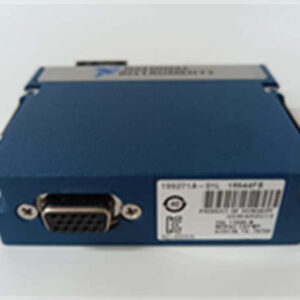
- Product Model: SCXI-1102B
- Manufacturer: National Instruments
- Associated System: SCXI modular signal conditioning platform (used with DAQ boards like PCI-6251, PXI-6259)
- Input Channels: 16 differential, isolated
- Supported Sensors: Thermocouples (J, K, T, E, R, S, B, N), ±80 mV voltage inputs
- Isolation: 300 Vrms channel-to-bus isolation
- Cold Junction Compensation: Built-in, per-channel
- Sampling Method: Multiplexed via SCXI-130x terminal blocks
- Connector Type: Uses SCXI-1308 or SCXI-1309 terminal blocks (screw terminal or DIN rail)
- Operating Temperature: 0°C to +50°C
- Driver Support: NI-DAQmx (legacy versions only; not supported in DAQmx 2020+)
System Role and Downtime Impact
The SCXI-1102B typically serves as the primary sensor interface in long-duration, high-reliability test environments—such as jet engine durability testing, battery thermal runaway studies, or satellite thermal vacuum chambers. It conditions raw thermocouple signals with per-channel isolation and cold-junction compensation before routing them to a central DAQ controller. Because these tests often run for hundreds of hours with irreplaceable hardware under evaluation, any loss of temperature data can invalidate an entire campaign. A failed SCXI-1102B may manifest as drifting readings, complete channel dropout, or ground-loop-induced noise, all of which are difficult to detect in real time. In aerospace or defense applications, this not only causes costly schedule delays but may also trigger regulatory requalification requirements if data traceability is compromised.
Reliability Analysis and Common Failure Modes
The SCXI-1102B’s reliability is generally high, but aging units exhibit predictable failure patterns. The most common issue is degradation of the isolation barrier, particularly in high-humidity or high-vibration environments, leading to ground loops or crosstalk between channels. A second frequent problem involves cold junction sensor drift on the terminal block interface, causing systematic temperature offsets across all channels. Additionally, the internal multiplexer ICs can develop intermittent faults after years of thermal cycling, resulting in sporadic channel dropouts that are hard to reproduce.
A key vulnerability is its dependency on legacy terminal blocks (e.g., SCXI-1308). These blocks contain the actual cold-junction sensors and screw terminals; corrosion or loose connections here are often misdiagnosed as module failure. Furthermore, the module lacks self-diagnostics—unlike modern C Series modules—so faults are only discovered during calibration or post-test data review.
Recommended preventive measures include:
- Annual calibration against a NIST-traceable reference using a multi-channel dry-well calibrator
- Inspection of terminal block screw torque and signs of oxidation (especially in sulfur-rich industrial atmospheres)
- Verification of chassis grounding and shield continuity to prevent EMI from RF sources or motor drives
- Avoiding operation beyond 45°C ambient to extend electrolytic capacitor life on internal power rails
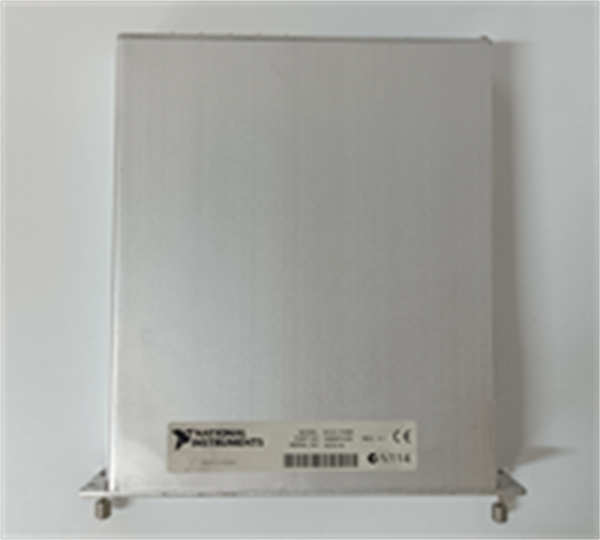
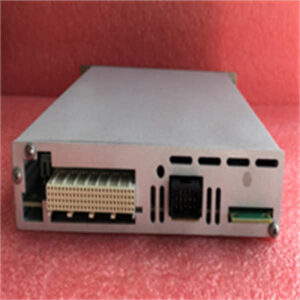
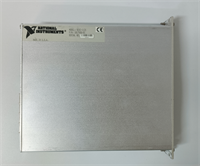
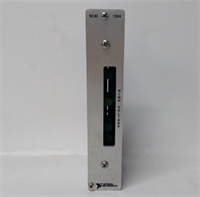
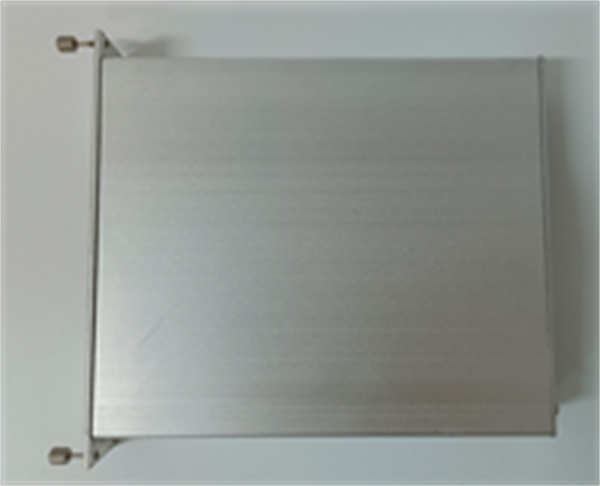
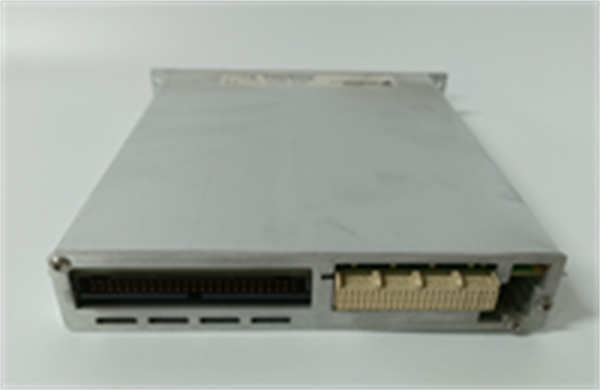
NI SCXI-1102B
Lifecycle Status and Migration Strategy
National Instruments ceased production of the SCXI-1102B in 2020, and official repair services ended in 2022. New software versions of NI-DAQmx no longer support SCXI hardware, limiting users to outdated Windows OS versions (e.g., Windows 7/10 LTSB) and exposing systems to cybersecurity vulnerabilities. Continuing to operate SCXI-based test stands carries growing technical and compliance risks.
For labs unable to fund immediate system replacement, two interim strategies are viable:
- Cold-spare banking: Acquire and functionally validate multiple SCXI-1102B modules now while inventory exists.
- Hybrid integration: Use an SCXI chassis solely as a signal conditioner, feeding outputs into a modern DAQ system via analog re-termination (though this sacrifices digital calibration benefits).
The recommended migration path is to CompactDAQ with C Series modules, specifically the NI-9211 (thermocouple) or NI-9213 (high-density TC). This transition preserves existing sensor wiring (via compatible terminal blocks) while enabling support for modern OS, enhanced diagnostics, and cloud-ready data streaming via TDMS or OPC UA. The engineering effort includes reconfiguring DAQ tasks in DAQmx, updating test executive code (e.g., LabVIEW or TestStand), and revalidating measurement uncertainty budgets. Given the critical role of temperature data in certification testing, proactive migration is essential to maintain data credibility and operational continuity.