 Tel:
Tel:  Email:
  WhatsApp:
 Description
Technical Specifications (For Spare Parts Verification)
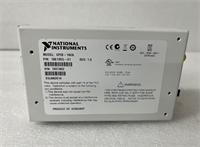
- Product Model: GPIB-140A
- Manufacturer: National Instruments
- Host Interface: 32-bit/33 MHz PCI
- GPIB Standard Compliance: IEEE 488.1 and IEEE 488.2
- Data Transfer Rate: Up to 1.5 MB/s (HS488 capable)
- Connector Type: Shielded 24-pin GPIB (Amphenol CHAMP)
- Driver Support: NI-488.2 for Windows (legacy versions only; not supported on Windows 11 without compatibility layers)
- Form Factor: Full-height PCI card
- Power Consumption: +5 VDC, ~1.2 A
- Diagnostic Features: LED indicators for GPIB activity and service request (SRQ)
- Included Accessories: GPIB cable retention bracket, mounting screws
System Role and Downtime Impact
The GPIB-140A is typically embedded in automated test equipment (ATE) racks used in aerospace, defense, semiconductor, and R&D labs. It enables a host PC to control multiple GPIB instruments—such as spectrum analyzers, network analyzers, or precision multimeters—in sequence for calibration, validation, or production testing. If the GPIB-140A fails, the entire test sequence stops, as the PC loses communication with all downstream instruments. In high-throughput environments (e.g., avionics repair depots or chip packaging lines), this can result in complete test cell downtime, delaying product certification or shipment. Recovery may take days if a verified spare is not on hand, especially since modern PCs lack PCI slots, complicating rapid replacement.
Reliability Analysis and Common Failure Modes
Although robust when new, the GPIB-140A is now commonly found in systems over 15–20 years old. The primary failure mechanisms include:
- PCI edge connector wear or oxidation, leading to intermittent host communication or boot failures
- GPIB transceiver IC degradation (typically TI or NI custom ASICs), causing data corruption or timeout errors during instrument polling
- Electrolytic capacitor aging on the PCB, resulting in unstable +5V regulation and erratic behavior
- Firmware/driver incompatibility when migrating to newer operating systems, effectively “bricking” the card even if hardware is functional
A key design limitation is its dependence on legacy PCI architecture, which is absent in all modern workstations. Additionally, the card lacks hot-swap capability and is sensitive to electrostatic discharge (ESD) during handling.
Recommended preventive actions:
- Keep at least one known-good spare in climate-controlled storage
- Image the entire test PC (including OS, drivers, and application software) for rapid recovery
- Periodically exercise the card by running self-tests via NI-MAX or custom diagnostics
- Avoid physical reseating unless necessary—PCI connectors are prone to fatigue
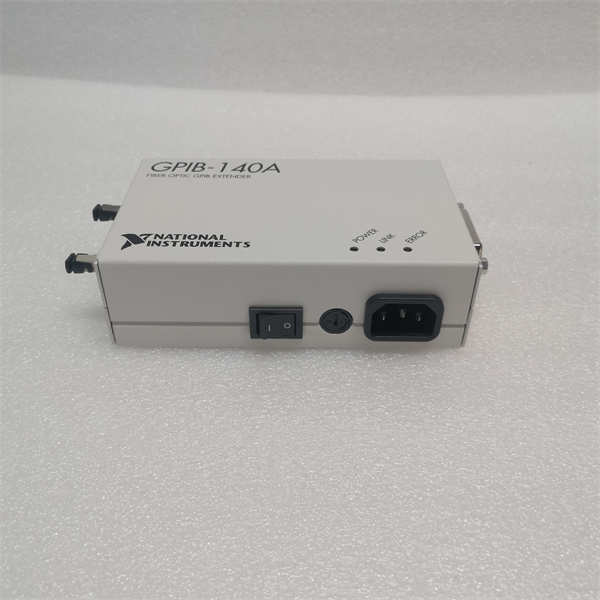
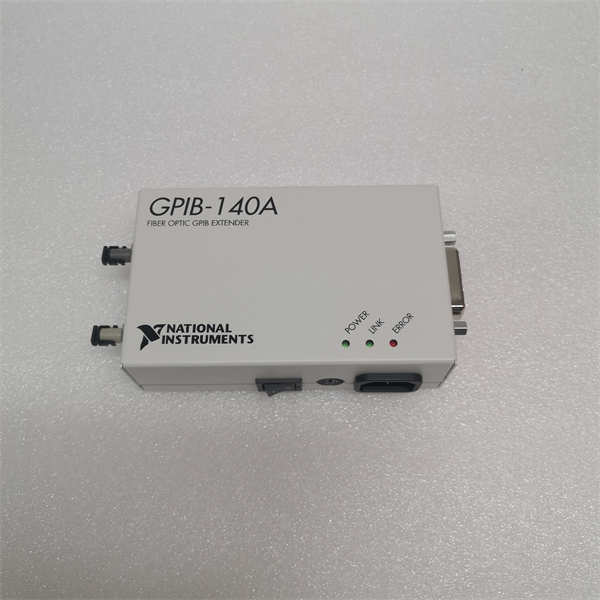
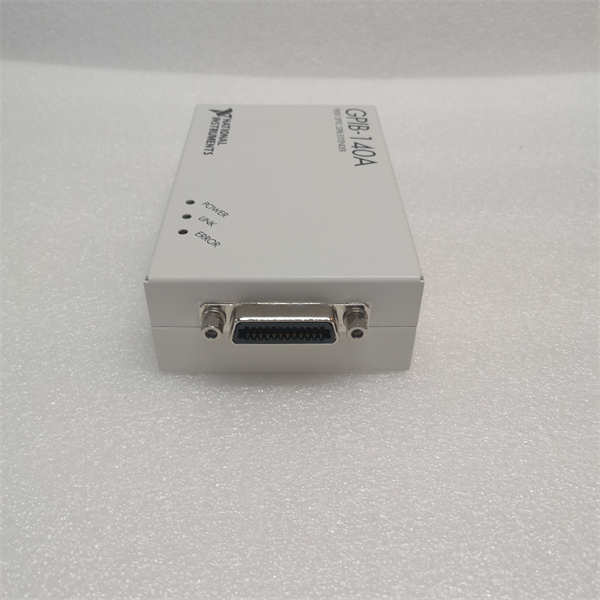
NI GPIB-140A
Lifecycle Status and Migration Strategy
National Instruments discontinued the GPIB-140A over a decade ago. No factory support, warranty, or official repairs are available. Continued use poses significant operational risk due to hardware fragility, driver obsolescence, and the disappearance of compatible host computers.
Short-term mitigation includes sourcing tested used units—but reliability cannot be guaranteed, and failure rates are high.
The recommended migration path is to replace the GPIB-140A with a modern NI GPIB interface, such as:
- NI GPIB-USB-HS+ (for desktop systems): Plug-and-play USB 2.0/3.0 adapter with full NI-488.2 support
- NI PCIe-GPIB (for rackmount PCs with PCIe slots): Direct replacement with similar performance and software compatibility
Both options use the same NI-488.2 API, allowing existing test programs (LabVIEW, CVI, TestStand) to run with minimal or no code changes. The migration requires:
- Updating instrument I/O configuration strings (e.g., from “GPIB0::1::INSTR” to “USB0::…” or “PXI0::…”)
- Installing current NI-VISA and NI-488.2 drivers
- Validating timing-critical sequences due to slight latency differences