 Tel:
Tel:  Email:
  WhatsApp:
 Description
Key Technical Specifications (For Spare Parts Verification)
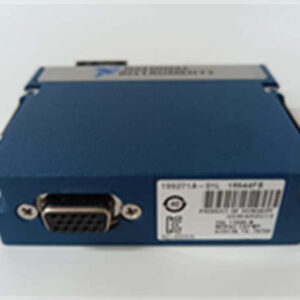
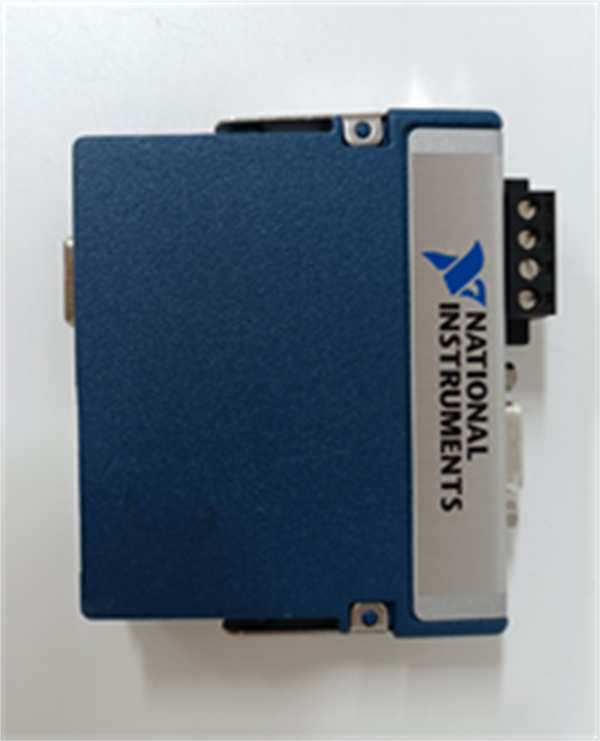
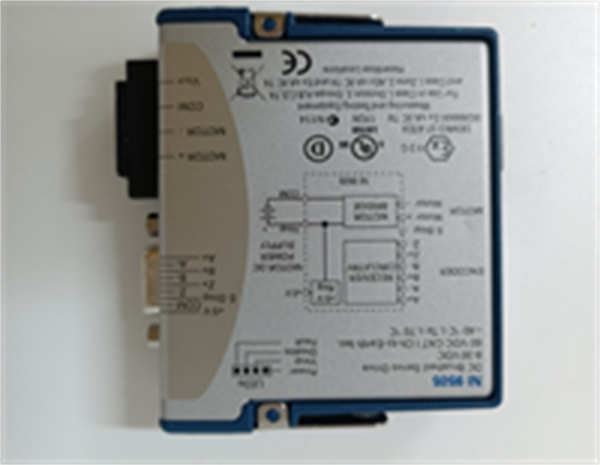
- Product Model: NI-9505
- Manufacturer: National Instruments (NI)
- Belonging System: CompactRIO (cRIO) / C Series
- Motor Type: Brushed DC Servo
- Output Current: 5 A (Continuous @ 40°C), 1 A (Continuous @ 70°C)
- Supply Voltage: 8 V to 30 V DC
- Encoder Interface: Quadrature (Single-ended/Differential)
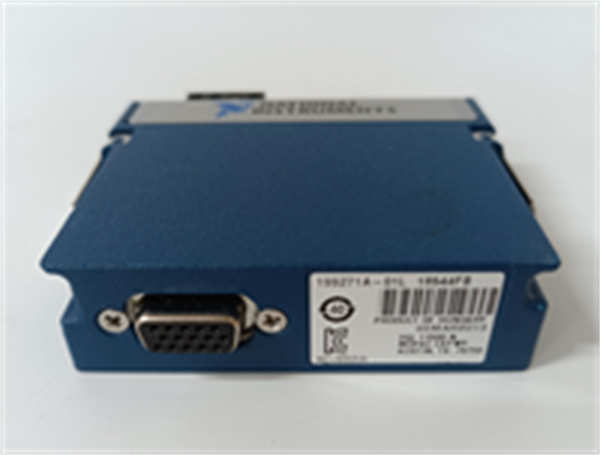
- Connector Type: 9-pin D-Sub (Encoder), Screw Terminal (Motor)
- FPGA Integration: Yes (LabVIEW FPGA Module)
- Operating Temperature: -40°C to 70°C
System Positioning & Downtime Impact
The NI-9505 is a critical component in CompactRIO-based motion control systems. It functions as the power stage, directly driving brushed DC servo motors. In a typical setup, it is installed in a CompactRIO chassis alongside I/O modules and controlled by the chassis’s FPGA. Its failure is not a simple I/O point loss; it directly results in the inability to move the connected motor or actuator. In industrial settings, this often translates to a complete production line stoppage or a critical process shutdown. Given its role in motion control, its failure can lead to extended downtime if a replacement is not readily available, especially in systems where precise positioning is critical.
Reliability Analysis & Common Failure Points
- Common Failure Modes: The most frequent failure points for this type of motor drive are related to electrical stress and thermal management. The H-bridge power transistors are susceptible to failure due to overcurrent conditions, short circuits, or back-EMF from inductive loads. The electrolytic capacitors used for power filtering can degrade over time, especially in high-temperature environments, leading to reduced performance or complete failure. The 9-pin D-Sub connector pins can also become bent or damaged during frequent maintenance cycles.
- Weak Links: The design’s primary vulnerability lies in its power electronics. The module is designed to dissipate heat through the chassis backplane, making it sensitive to ambient temperature and the thermal load of adjacent modules. The lack of optical isolation on the encoder inputs (relying on the chassis isolation) makes it susceptible to ground loop issues if not wired correctly.
- Preventive Maintenance Recommendations: To extend the life of existing units, maintenance personnel should focus on:
- Thermal Management: Ensure the CompactRIO chassis is installed in a well-ventilated area and that the fan filters are clean to prevent overheating.
- Electrical Inspection: Regularly check for loose connections at the screw terminals, which can cause arcing and damage.
- Load Monitoring: Monitor the motor current through software to detect signs of mechanical binding or overload before it causes a drive fault.
NI-9505
Lifecycle & Migration Strategy
- Official Status & Risk: The NI-9505 is confirmed to be in a Discontinued (Obsolete) state. The primary risk of continued use is supply chain disruption. As existing stock depletes, sourcing a genuine replacement becomes increasingly difficult and expensive. There is also a growing risk of receiving counterfeit or refurbished parts that may not meet the original performance and safety standards. Technical support from the manufacturer for this specific model is no longer available.
- Temporary Solutions: In the event of a failure where an immediate replacement is unavailable, the only viable temporary solutions are:
- Sourcing from Independent Distributors: Procuring from suppliers specializing in obsolete industrial components, though this carries risks regarding part authenticity and condition.
- Component-Level Repair: In some cases, specialized repair services can replace burnt power components or damaged connectors, but this is a stopgap measure and may not restore the component to its original reliability.
- Migration/Replacement Path: The recommended strategy is to migrate to a modern equivalent from NI’s current product portfolio. The logical successor for brushed DC motor control in the CompactRIO ecosystem is the NI-951x series or the NI-9502 (for higher power requirements). These modern drives offer improved performance, higher power density, and better integration with current software tools. The migration process typically involves:
- Hardware Replacement: Physically replacing the module in the chassis.
- Software Updates: Updating the LabVIEW FPGA code to accommodate the new module’s API and electrical characteristics, which may require significant redevelopment effort.
- Wiring Adaptation: The new module may have different pinouts or connector types, requiring rewiring of the motor and encoder cables.