 Tel:
Tel:  Email:
  WhatsApp:
 Description
Key Technical Specifications (For Spare Part Verification)
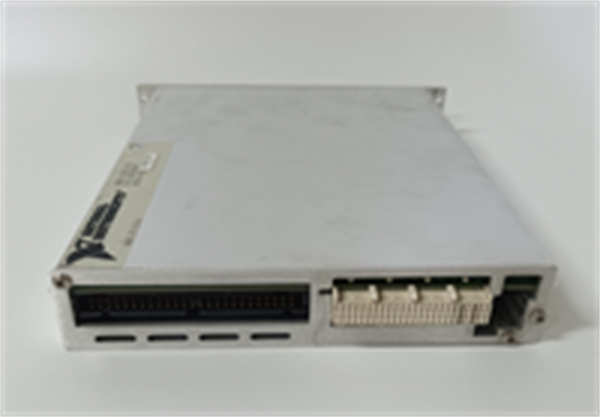
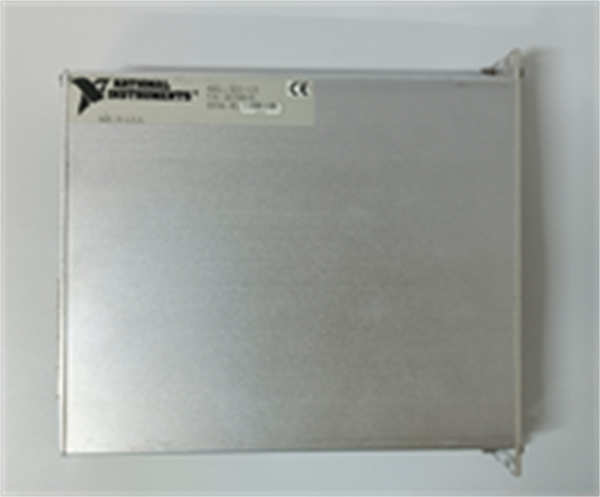
- Model: SCXI-1121
- Manufacturer: National Instruments
- Platform: SCXI (Signal Conditioning eXtensions for Instrumentation) modular DAQ system
- Channels: 4 differential input channels
- Input Voltage Range: ±10 V, ±1 V, ±100 mV, ±10 mV (software-selectable gain)
- Isolation: 250 Vrms channel-to-channel and channel-to-bus isolation
- Bandwidth: Up to 2.5 kHz per channel
- Compatible Host Devices: Works with E-series, M-series, and some X-series DAQ boards via SCXI chassis (e.g., SCXI-1000, SCXI-1001)
- Connector Type: Screw-terminal or DIN 41612 backplane (depending on revision)
- Required Accessories: SCXI chassis, shielded cable (e.g., SHC68-68), and compatible DAQ board
System Role and Downtime Impact
The SCXI-1121 is a front-end signal conditioning module used in high-precision measurement systems, commonly found in aerospace test benches, power electronics validation labs, and industrial R&D setups. It sits between sensors (e.g., strain gauges, thermocouples with external amps, or voltage transducers) and the main DAQ digitizer. If this module fails, the entire analog input chain for its assigned channels is lost—potentially halting critical validation tests or long-duration data logging runs. In automated test equipment (ATE) environments, its failure can cause full station downtime, delaying product certification or production sign-off.
Reliability Analysis and Common Failure Modes
Despite its robust design, the SCXI-1121 is susceptible to age-related degradation due to its reliance on analog components and external power dependencies. The most common failure modes include:
- Electrolytic capacitor aging: Internal power supply filtering capacitors dry out over time (especially in warm lab environments), leading to increased noise, gain drift, or complete channel dropout.
- Isolation barrier breakdown: Repeated exposure to high common-mode voltages or ESD events can degrade the opto-isolators or isolation amplifiers, causing crosstalk or safety hazards.
- Connector corrosion or mechanical wear: The front-panel screw terminals or backplane pins may oxidize or loosen after years of thermal cycling, resulting in intermittent signals.
Design weaknesses include the lack of self-diagnostics—users only detect failure when data becomes noisy or missing—and dependence on stable ±15 V analog rails from the SCXI chassis, which themselves degrade over time.
Preventive maintenance should focus on:
- Inspecting for bulging or leaking capacitors during routine chassis servicing
- Cleaning and reseating backplane connectors annually
- Verifying gain accuracy using a calibrated voltage source at least once per year
- Monitoring baseline noise levels in logged data as an early indicator of degradation
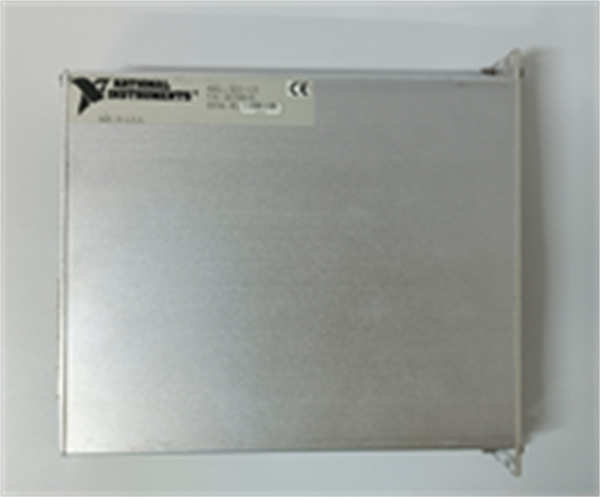
NI SCXI-1121
Lifecycle Status and Migration Strategy
National Instruments officially discontinued the SCXI platform, including the SCXI-1121, in 2018, with final shipments completed by 2020. Continuing to operate systems with this module carries significant risk: spare units are scarce, repair services are limited to third-party specialists, and no firmware or driver updates are provided. Driver compatibility with modern Windows OS versions (e.g., Windows 11) is also not guaranteed.
As a temporary measure, organizations can:
- Secure 1–2 tested spares from reputable surplus vendors
- Implement board-level repair programs with certified electronics refurbishers
- Isolate critical systems on dedicated, air-gapped PCs running legacy OS (e.g., Windows 7) to avoid driver conflicts
For a sustainable path forward, NI recommends migrating to the CompactDAQ (cDAQ) or PXI Express platforms. A direct functional replacement is the NI 9220 (for basic ±10 V inputs) or NI 9227/9229 (for higher precision), though these require:
- Replacement of the entire SCXI chassis with a cDAQ chassis (e.g., USB-9162 or Ethernet-9185)
- Rewiring of field connections to new terminal blocks
- Rewriting of DAQmx code to adapt to new channel naming and timing models
While migration requires upfront engineering effort, it restores access to warranty support, modern security updates, and integration with cloud-based data platforms—making it the only viable long-term solution for mission-critical applications.