 Tel:
Tel:  Email:
  WhatsApp:
 Description
Key Technical Specifications (Spare Parts Verification)
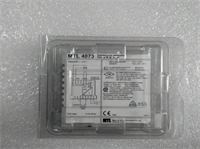
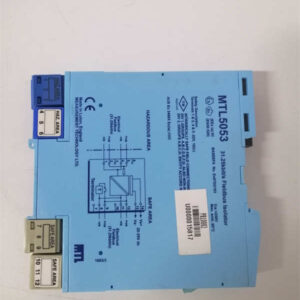
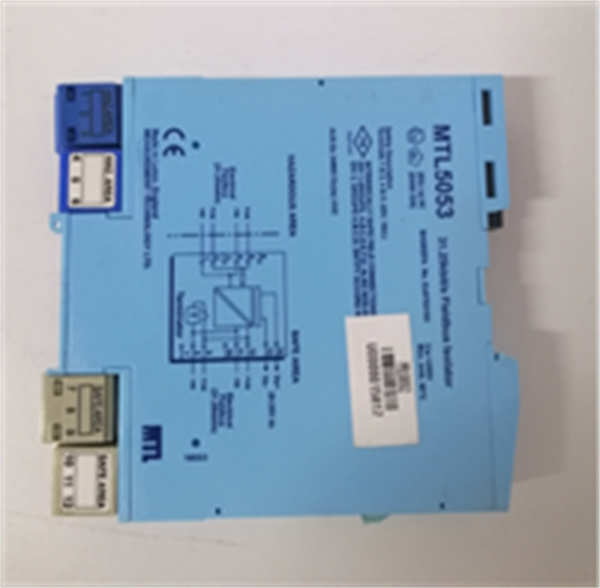
- Product Model: MTL5053
- Manufacturer: MTL (Emerson)
- Compatible System: Fieldbus Foundation H1 Networks
- Supply Voltage: 20 to 35V DC
- Output Power: 18.4V ± 2%, 105Ω ±3% DC impedance
- Maximum Current: 80mA
- Communication Speed: 31.25 kbit/s
- Operating Temperature: -40°C to +70°C (or as specified)
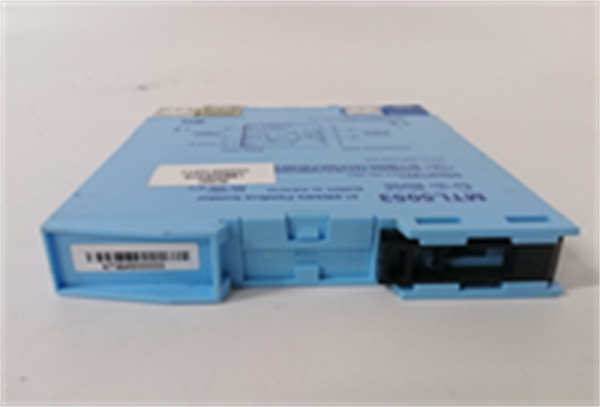
- Mounting: DIN Rail
- Isolation: 250V AC between safe and hazardous area circuits
System Positioning & Downtime Impact
The MTL5053 is a critical component in process control systems, specifically designed to extend 31.25 kbit/s (H1) fieldbus networks into hazardous areas (Zone 0, IIC, T4-6). It provides both power and communication to field devices via the signal conductors. As a fieldbus isolator and power supply, its failure directly impacts the entire network segment it serves. A malfunction in this module will result in the loss of communication and power to all connected field devices in the hazardous area, leading to a complete loss of process monitoring and control for that section. This can cause unplanned shutdowns, production halts, and potential safety risks if critical safety instrumented functions are affected.
Reliability Analysis & Common Failure Points
- Common Failure Modes: The MTL5053 is susceptible to failure due to power supply issues, such as voltage spikes or incorrect supply voltage (outside the 20-35V DC range). Overheating is another common issue, especially if not installed with proper spacing on the DIN rail. Component aging, particularly in the power regulation circuits, can lead to output voltage drift or complete loss of power to the fieldbus segment. Communication failures can occur due to internal signal processing component degradation.
- Weak Links: The module’s design requires adequate heat dissipation. If mounted in a non-optimal orientation or without the recommended 10mm spacing between adjacent units, the maximum operating temperature is significantly reduced, leading to thermal stress and premature failure. The internal terminator switch and associated circuitry can be sensitive to environmental contaminants or mechanical wear.
- Preventive Maintenance Recommendations: For units still in service, ensure the power supply is stable and within the specified range. Verify that the module is mounted correctly on a horizontal DIN rail with sufficient spacing (use MTL MS010 spacers if necessary). Regularly monitor the module’s temperature and check for any signs of discoloration or burning. Inspect the terminator switch setting to ensure it is correctly configured for the network topology.
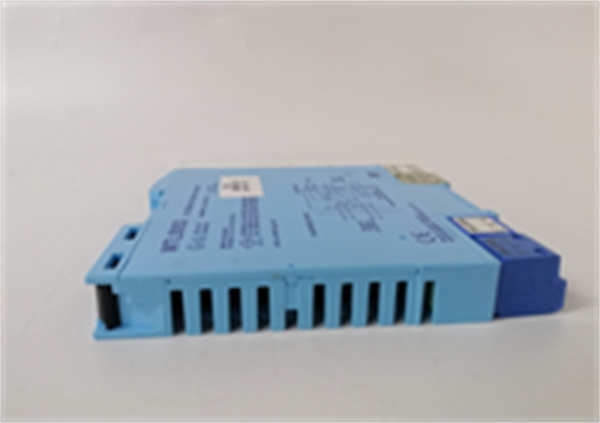
MTL5053 MTL
Lifecycle & Migration Strategy
- Official Status & Risk: The MTL5053 is confirmed to be an obsolete product, with manufacturing support having ended. Continuing to rely on this model carries high operational risk. The primary risks include the complete unavailability of new parts, extreme price inflation for remaining NOS (New Old Stock) or refurbished units, and the lack of manufacturer technical support for troubleshooting complex network issues.
- Temporary Solutions: In cases where immediate system replacement is not feasible, the only temporary solution is to source components from the secondary market or engage with specialized industrial automation repair services that can perform board-level repairs. This may involve replacing failed power components or signal conditioning circuits. However, this approach is costly and does not guarantee long-term reliability, as the core components are also end-of-life.
- Migration/Replacement Path: The recommended strategy is a full system migration to a modern communication solution. MTL (Emerson) typically recommends upgrading to their newer fieldbus isolator and power supply modules that are compatible with current fieldbus standards. The migration process will require replacing the hardware module, updating the network configuration, and potentially re-certifying the hazardous area installation. In some cases, it may be beneficial to consider migrating the entire fieldbus network to a more modern protocol or a newer generation of fieldbus infrastructure, depending on the age and availability of the connected field devices.