 Tel:
Tel:  Email:
  WhatsApp:
 Description
Key Technical Specifications (For Spare Part Verification)
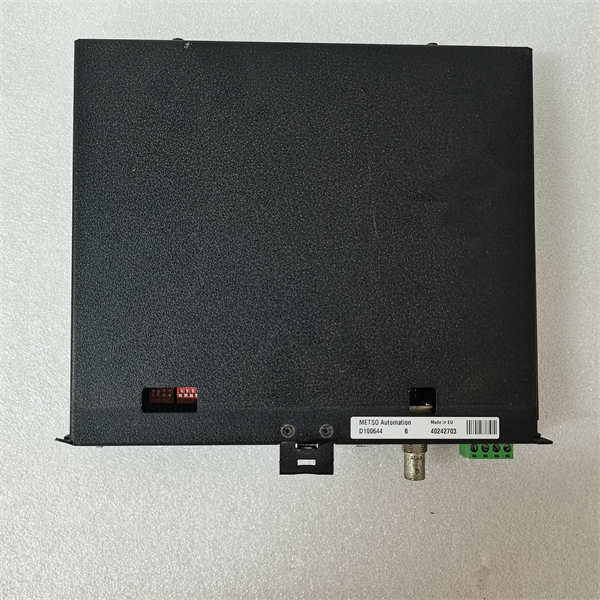
- Part Number: D100644
- Form Factor: DIN-rail mounted I/O module for Metso DNA racks
- Function Type: Likely a digital input, digital output, or analog I/O module (exact function requires verification via legacy manuals or label markings)
- I/O Channels: Typically 8–16 channels per module (varies by subtype)
- Electrical Interface:
- Digital: 24 V DC sink/source (depending on model)
- Analog: 4–20 mA or 0–10 V (if applicable)
- Communication: Proprietary Metso DNA backplane protocol
- Diagnostics: Basic LED indicators per channel (Power, OK, Fault)
- Redundancy: Supported in redundant DNA configurations (dual-module setups)
- Operating Environment: Industrial temperature range (typically 0°C to +60°C), IP20 protection
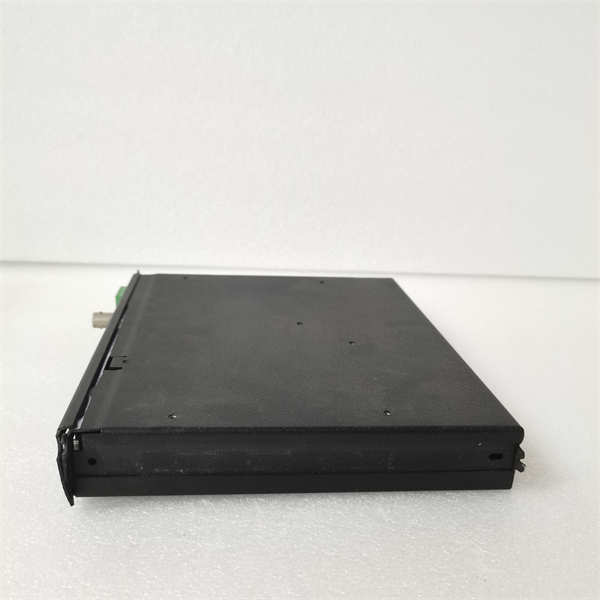
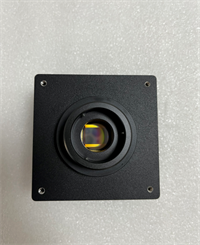
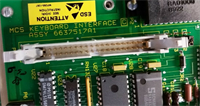
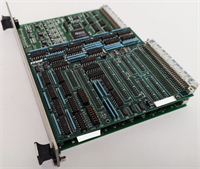
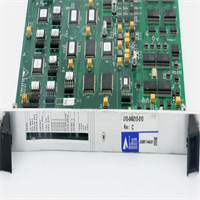
METSO D100644
System Role and Downtime Impact
The D100644 module serves as a critical link between field instrumentation and the Metso DNA distributed control system (DCS). In continuous-process industries like pulp mills or mineral processing plants, loss of I/O functionality can lead to:
- Inability to monitor critical equipment status (e.g., pump running, valve position)
- Failure to execute interlocks or safety sequences
- Degraded or failed regulatory control loops
- Automatic trip of production lines due to “signal loss” diagnostics
Because many legacy DNA systems lack full I/O redundancy, a single failed module can halt an entire process section. Recovery depends entirely on spare availability—making this component a high-priority obsolescence risk.
Reliability Analysis and Common Failure Modes
Despite rugged industrial design, the D100644 is prone to age-related issues:
- Optocoupler degradation (in digital modules): Leads to signal dropout or false triggering
- Analog front-end drift (if applicable): Causes measurement inaccuracies in 4–20 mA loops
- Connector or terminal block corrosion: Especially in humid or chemically aggressive environments
- Power supply capacitor aging: Results in unstable internal logic voltage
- Backplane contact fatigue: Thermal cycling causes intermittent communication with the controller
Preventive measures include:
- Regular functional testing during planned outages
- Thermographic scanning to detect abnormal heating
- Keeping firmware/hardware revision logs to ensure spare compatibility
- Storing verified spares in dry, ESD-safe conditions
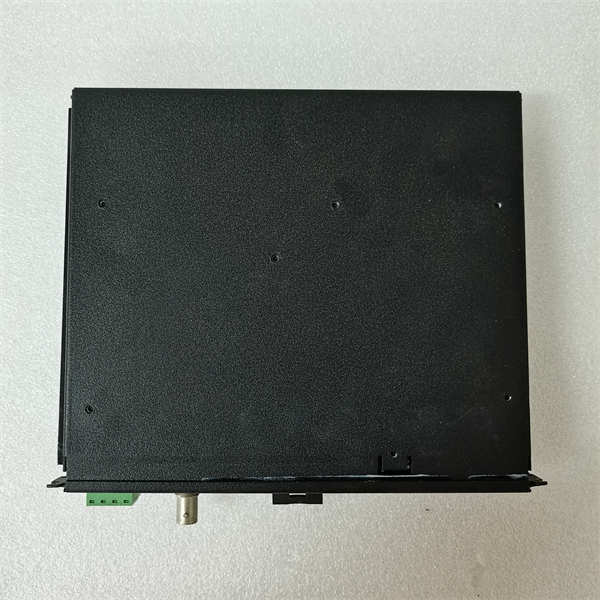
METSO D100644
Lifecycle Status and Migration Strategy
Metso discontinued the DNA platform after its automation business was transferred to Valmet. Valmet no longer manufactures or supports legacy DNA I/O modules like the D100644. Official technical support is extremely limited, and replacement parts are only available through:
- Industrial surplus dealers (with no performance guarantee)
- Third-party repair services offering refurbished units
- Reverse-engineering firms providing functional equivalents
Short-term mitigation:
- Identify and label all D100644 modules in your system
- Acquire and functionally test 2–3 spares while still available
- Document wiring and configuration to accelerate replacement
Long-term strategic path:
Migrate from Metso DNA to a modern DCS platform such as:
- Valmet DNA Evolution (successor platform, partial backward compatibility)
- ABB Ability™ System 800xA
- Emerson DeltaV
- Rockwell PlantPAx
Migration typically involves:
- Replacing I/O cabinets with new hardware
- Rewiring field devices (often reusing existing cable infrastructure)
- Translating control logic and HMI graphics
- Recommissioning safety and regulatory loops