
 Tel:
Tel:  Email:
  WhatsApp:
 Description
Product Introduction
Plasma instability in an etch chamber often traces back to a failing match network that can no longer track rapid impedance shifts during recipe steps. The LAM 685-069171-100 is a critical RF matching unit designed specifically for LAM Research metal etch systems, ensuring consistent power delivery to the plasma load.This component houses high-voltage vacuum capacitors and a robust motor drive assembly capable of reacting within milliseconds to load changes. In high-volume manufacturing, a drift in VSWR (Voltage Standing Wave Ratio) caused by a worn match box leads to non-uniform etching and costly wafer scrap. Replacing this unit restores the precise tuning range required for advanced process nodes, preventing downstream yield losses.
 Key Technical Specifications
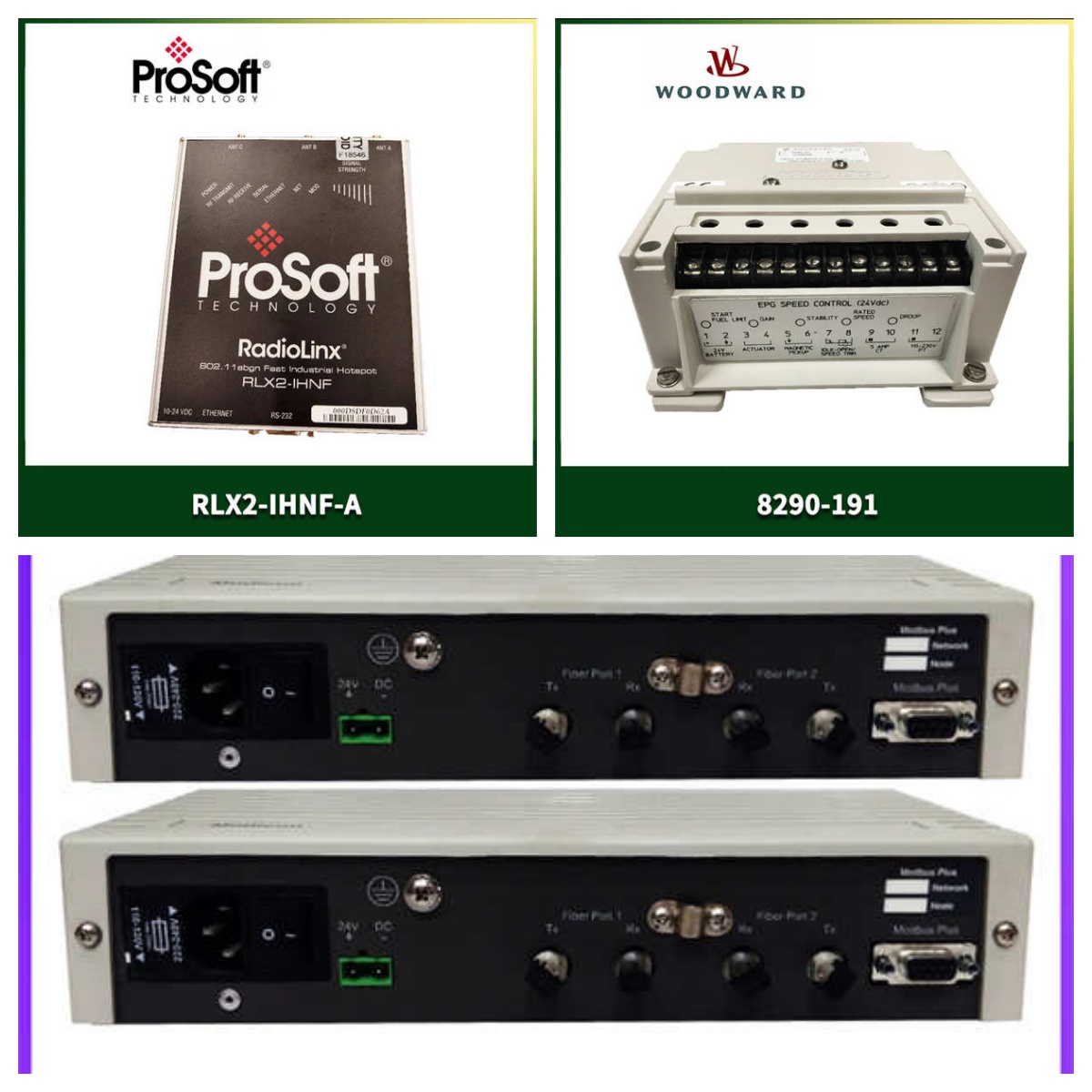 Key Technical Specifications
| Parameter | Value |
|---|---|
| Operating Frequency | 13.56 MHz (Standard ISM Band) |
| Input Power Rating | Up to 3000 Watts (Peak) |
| Impedance Range | 2 Ω to 1500 Ω (Variable) |
| Control Interface | Analog (0-10V) & Digital (TTL/Series) |
| Capacitor Type | High-Voltage Vacuum Variable |
| Motor Drive | Stepper Motor with Encoder Feedback |
| Cooling Method | Air Cooled (Force Draft) |
| Mounting Configuration | Rack Mount or Chamber Side-Mount |
| Dimensions (Approx.) | 480 mm x 350 mm x 200 mm |
| Weight | 18.5 kg |
| Compatibility | LAM Kiyo, Metal Etch, Versys Platforms |
| Part Status | Legacy / Active Support |
Application Scenarios & Pain Points
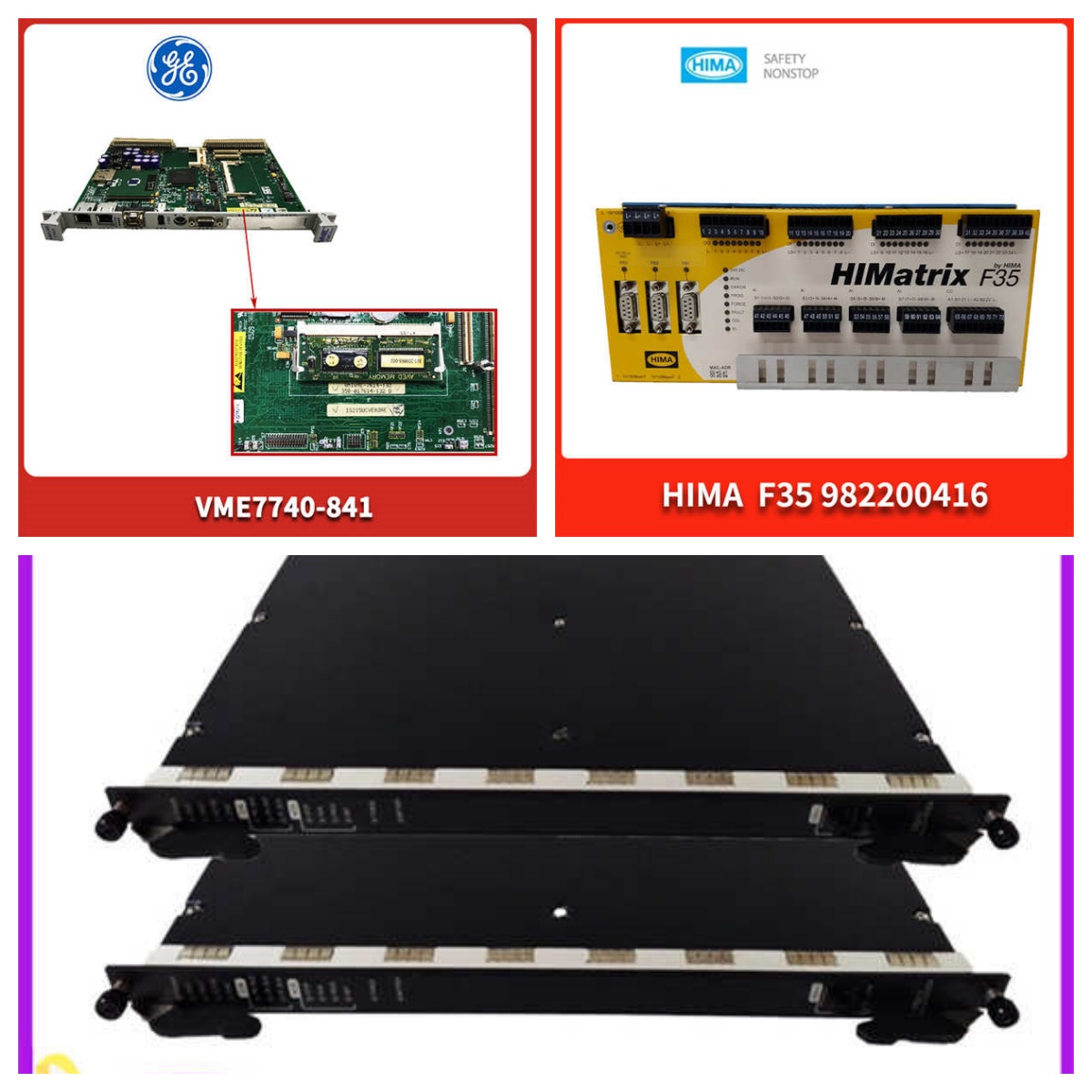 Application Scenarios & Pain Points
The etch rate suddenly dropped by 15% mid-batch, and the operator noticed the “Reflected Power” alarm flashing on the generator display. This scenario typically indicates the matching network has reached its mechanical limit or a capacitor has degraded, unable to tune out the reactive component of the plasma load. The LAM 685-069171-100 resolves this by providing fresh tuning capacity and reliable motor actuation.
- Semiconductor Fabrication: Essential for maintaining uniform etch profiles on 300mm wafers where even minor RF fluctuations cause critical dimension (CD) variations.
- MEMS Manufacturing: Can your process afford a 2-hour downtime for troubleshooting? A known-good match network swap reduces diagnostic time to minutes.
- Solar Cell Production: Handles the aggressive plasma chemistries used in texturing processes without arcing, provided the grounding is solid.
- Hard Disk Drive Media: If your sputtering or etch tools show inconsistent deposition rates, check the match network first; it’s the most common single point of failure.
- Research & Development: Allows process engineers to replicate production conditions accurately, as the tuning algorithm response time matches fab-installed units.
Field Case Note:
A fab in New Mexico reported recurring “Arc Detect” faults on Etch Tool #4. The engineering team swapped the RF generator first—no change. Then they replaced the coaxial cable—still faulting. Finally, they installed a replacement LAM 685-069171-100. The reflected power dropped from 450W to <10W immediately. The issue was a stuck vacuum capacitor inside the old unit that couldn’t move past a certain position. The line resumed full capacity within an hour of the swap.Quality Control Process (SOP Transparency)We treat RF components with extreme care due to their sensitivity and high-voltage nature.
- Inbound Inspection: We verify the source via OEM packing lists and customs docs. Our technicians inspect the LAM hologram and serial number label for authenticity. We look for physical damage like cracked ceramic capacitors, burnt connector pins, or signs of internal arcing (carbon tracking).
- Live Functional Test: We mount the unit on a test bench connected to a dummy load and a calibrated RF generator. We cycle the motors through their full range while monitoring the capacitance change via the feedback encoder. We verify the control board responds correctly to analog voltage sweeps.
- Electrical Parameters: Using a Megger insulation tester, we check isolation resistance between the chassis and high-voltage terminals (>100 MΩ). We also measure the continuity of the motor windings and the integrity of the interlock circuits.
- Firmware/Controller Verification: While the match box itself is largely analog/mechanical, we verify the logic board revision against LAM documentation. We photograph all internal jumpers and connector orientations before sealing.
- Final QC & Packaging: After passing all tests, we sign off on the inspection report. The unit is wrapped in anti-static foam, secured in a custom-fit crate to prevent motor shaft movement during transit, and labeled with a “QC Passed” sticker including the test date. Test videos are available upon request.
Installation Pitfalls Guide (“Lessons Learned”)RF matching networks are unforgiving. One small mistake can take out a $50k generator or ruin a batch of wafers.
- Firmware/Control Logic Mismatch: Technically, the match box doesn’t have “firmware” in the traditional sense, but the control board revision must match the system controller’s expectations. Check the revision letter on the PCB against your tool’s compatibility matrix. A newer board might speak a different protocol dialect.
- Motor Calibration Loss: If you manually turn the motor shafts during installation (don’t do this!), you lose the home position reference. Take a photo of the encoder values before disconnecting anything. If the system doesn’t know “zero,” it will drive the caps into the hard stop and strip the gears.
- Connector Pin Damage: The multi-pin control connectors on LAM units are fragile. Pin 3 and Pin 4 often carry the enable signal; if these bend, the unit won’t tune. Inspect every pin under magnification before plugging in. Don’t force it.
- Grounding Loops: This is the silent killer. If the match box isn’t grounded to the same point as the chamber and generator, you create a ground loop. This causes erratic tuning and noise on the sensor lines. Ensure the grounding strap is short, wide, and tight.
- ESD Damage: The control board inside is sensitive. Touching the connector pins without a wrist strap can zap the input buffers. You won’t see smoke immediately; the unit will just fail to respond to tune commands later. Always wear ESD protection.