 Tel:
Tel:  Email:
  WhatsApp:
 Description
Key Technical Specifications (For Spare Parts Verification)
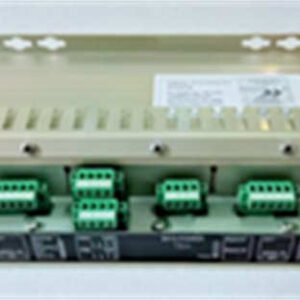
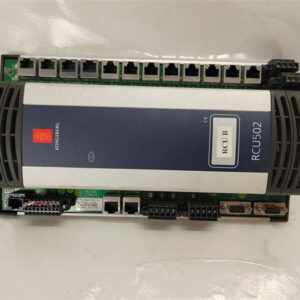
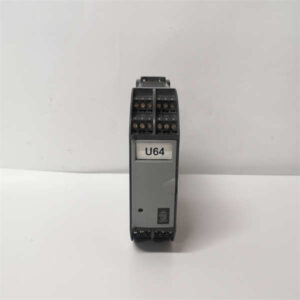
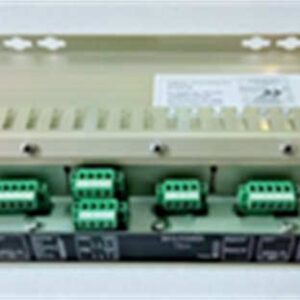
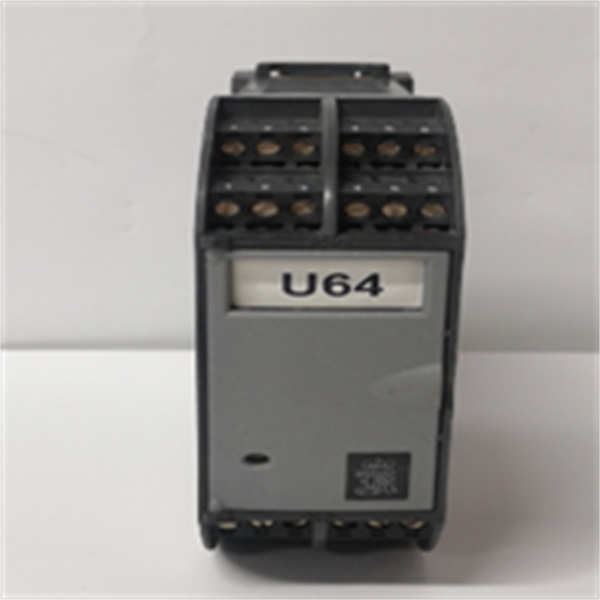
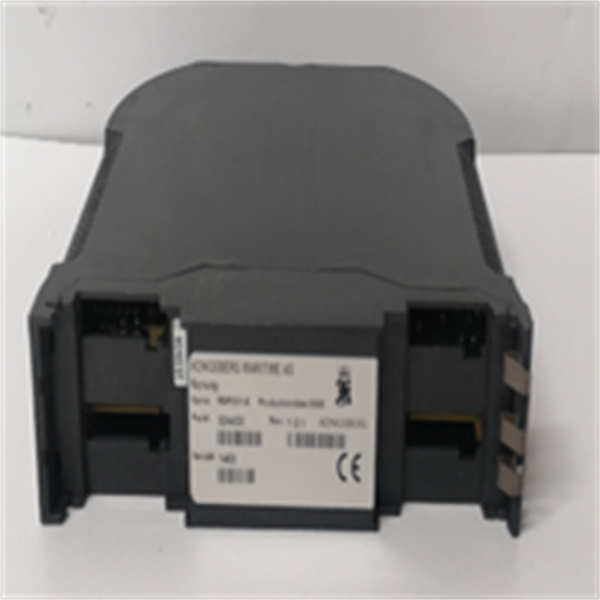
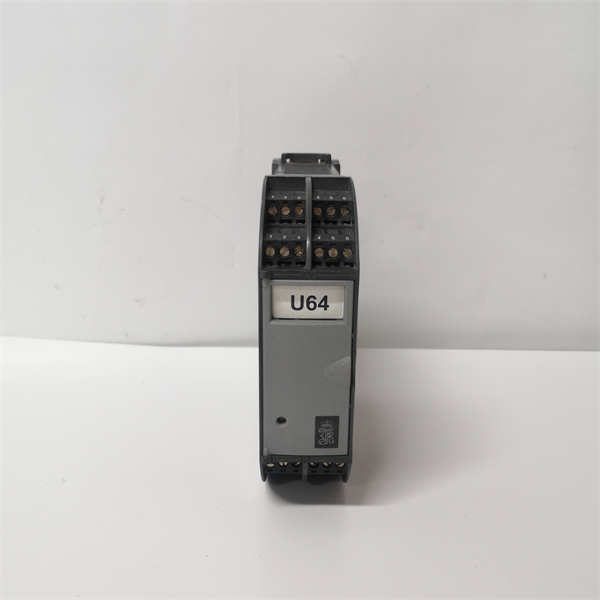
- Product Model: RMP201-8
- Manufacturer: KONGSBERG Maritime
- System Platform: K-Chief 500 Integrated Automation System (IAS)
- Module Type: Remote Multiplexer Processor (RMP), 8-channel variant
- Communication Interface: Dual-redundant CAN bus (K-Bus) to Central Processing Units (CPUs)
- I/O Capacity: Typically supports up to 32 analog/digital channels via connected RIU (Remote Input/Output) units
- Power Supply: 24 VDC (±10%) from system backplane
- Operating Temperature: 0°C to +55°C (marine environment rated)
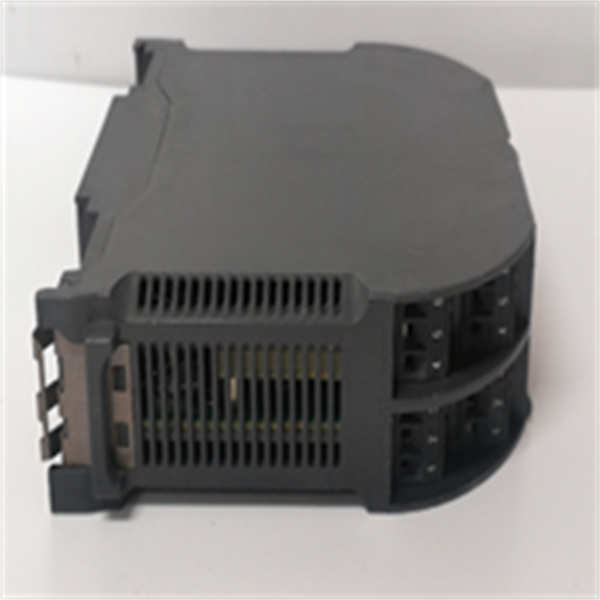
- Enclosure: IP20, designed for installation in protected switchboards or control cabinets
- Diagnostic Features: LED indicators for power, CAN activity, fault status, and module ID
- Firmware Dependency: Requires specific firmware version compatible with host CPU (e.g., CP501/CP502)
System Role and Downtime Impact
The RMP201-8 is deployed in the engine room, deck machinery spaces, or cargo control rooms of vessels equipped with the K-Chief 500 system—commonly found on tankers, container ships, offshore support vessels, and cruise ships built between the late 1990s and early 2010s. It functions as a local data concentrator, collecting sensor readings (e.g., temperature, pressure, level) and transmitting actuator commands (e.g., valve open/close, pump start/stop) over the redundant K-Bus network to the central CPUs on the bridge or ECR.
If an RMP201-8 fails, all I/O points under its domain become unresponsive. This may result in loss of critical monitoring (e.g., lube oil pressure on main engine), inability to control essential equipment (e.g., seawater cooling pumps), or false alarms due to signal dropout. While the K-Chief 500 architecture provides some fault tolerance through redundancy, many installations use non-redundant RMP nodes for cost reasons—making this module a single point of failure for its assigned zone. A malfunction can force manual operation, reduce vessel operability, or—in extreme cases—trigger a port state control (PSC) deficiency during inspection.
Reliability Analysis and Common Failure Modes
Despite robust marine-grade design, the RMP201-8 is susceptible to age-related degradation after 15–25 years of service in harsh environments.
Common failure modes include:
- Electrolytic capacitor aging on the internal DC/DC converter board, leading to voltage instability, intermittent resets, or complete power loss.
- CAN transceiver IC failure due to repeated electrical surges from the ship’s 24V network or ground loops, causing communication dropouts with the central CPU.
- Corrosion on backplane connectors from humidity and salt air ingress, resulting in poor contact, signal noise, or module misidentification.
- Firmware corruption during power cycling without proper shutdown procedures, especially if backup capacitors have degraded.
- Overheating in poorly ventilated cabinets, accelerating semiconductor wear and solder joint fatigue.
Design weaknesses include reliance on obsolete surface-mount components that are no longer available, and limited onboard diagnostics—most faults appear only as generic “COMM ERROR” or “MODULE FAULT” in the K-Chief operator station.
Preventive maintenance recommendations:
- Perform annual visual inspection for bulging capacitors or PCB discoloration.
- Clean and reseat the module in its carrier to ensure good backplane contact.
- Monitor K-Bus error counters via system diagnostics (if accessible).
- Verify stable 24V supply at the module terminals under load.
- Maintain cabinet temperature below 45°C and ensure desiccant is active.
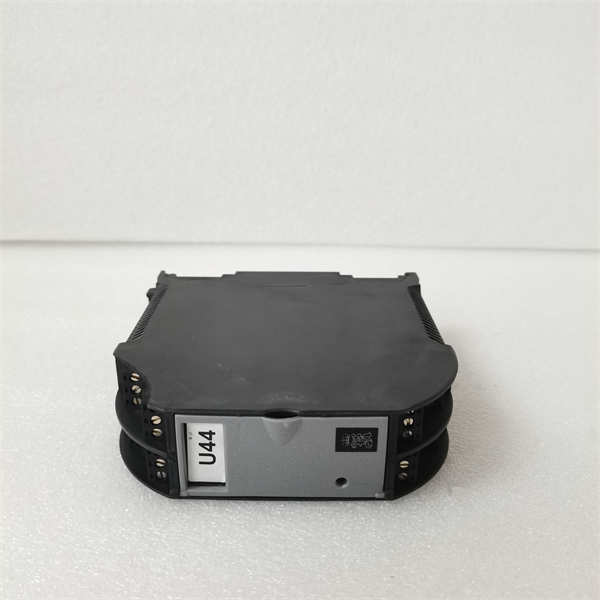
RMP201-8 KONGSBERG
Lifecycle Status and Migration Strategy
KONGSBERG officially discontinued the RMP201-8 with the end-of-life announcement for the K-Chief 500 platform. No new units are manufactured, and factory repair services have been phased out. Continuing to operate with this module carries significant risk: spare availability is dwindling, and failure during a voyage could lead to extended downtime in remote ports.
Interim mitigation strategies include:
- Securing tested, functional spares from decommissioned vessels or certified marine electronics recyclers.
- Implementing cold spares with periodic power-on testing to verify readiness.
- Engaging specialized marine automation service providers for component-level repairs (e.g., capacitor replacement, CAN IC rework).
For long-term reliability, migration to a modern platform is recommended. KONGSBERG’s current offering is the K-Chief 700, which uses Ethernet-based I/O modules (e.g., RIU700 series) with enhanced cybersecurity, remote access, and predictive maintenance features. However, migration is not a drop-in replacement:
- Requires replacement of central CPUs, I/O modules, cabling, and operator workstations.
- Involves re-engineering of I/O assignments and re-commissioning of all control logic.
- May necessitate class society approval and sea trials.
A more pragmatic approach for many shipowners is a hybrid life-extension strategy: retain the K-Chief 500 core while stockpiling critical spares like the RMP201-8 and implementing rigorous condition monitoring. Planning a full system upgrade during dry-dock or major refit minimizes operational disruption and ensures compliance with evolving maritime automation standards.