 Tel:
Tel:  Email:
  WhatsApp:
 Description
Technical Specifications (For Spare Parts Verification)
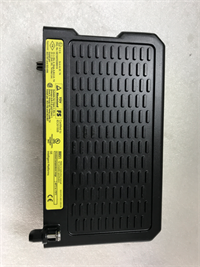
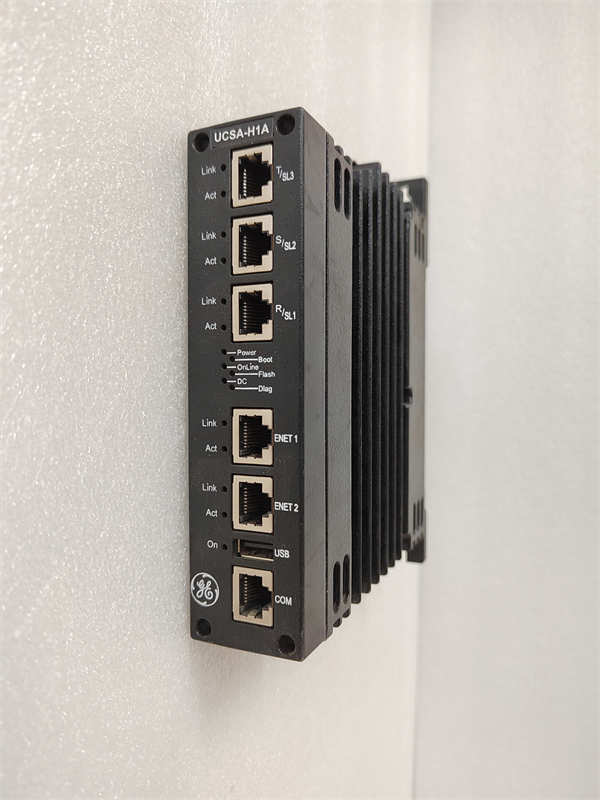
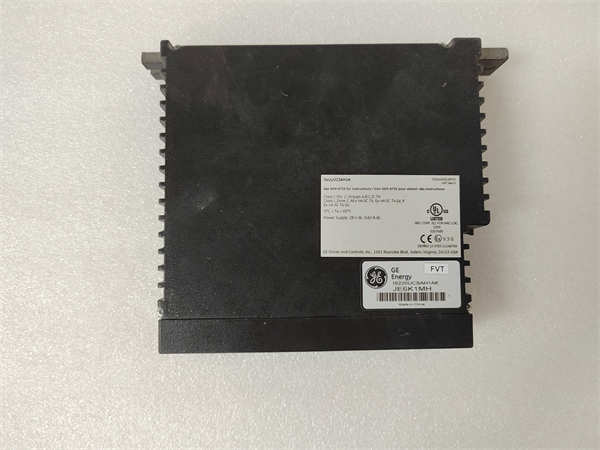
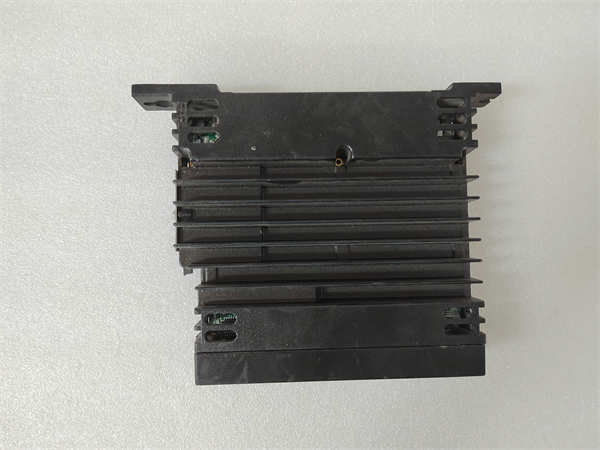
- Product Model: IS220UCSAH1AK
- Manufacturer: General Electric (GE Power)
- System Platform: Mark VIe Integrated Control System (for gas/steam turbines and balance-of-plant)
- Module Type: Universal Communication Serial Adapter (UCSA)
- Communication Ports: Two isolated serial channels (configurable as RS-232 or RS-485 via hardware jumpers)
- Data Rates: Up to 115.2 kbps per channel
- Protocol Support: Modbus RTU, DF1, SPA, or custom ASCII protocols (configured via ToolboxST)
- Redundancy: Supports dual-redundant configuration in TMR (Triple Modular Redundant) or simplex mode
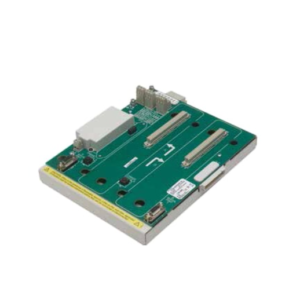
- Installation: Hot-swappable module for Mark VIe I/O pack (requires compatible baseplate, e.g., IS200TBSAH)
- Diagnostic Features: Front-panel LEDs for Power, OK, Tx/Rx activity, and fault status
- Firmware Dependency: Requires matching version in GE’s ToolboxST engineering suite
System Role and Downtime Impact
The IS220UCSAH1AK serves as a critical communications gateway within GE Mark VIe turbine control systems, commonly deployed in power generation and industrial cogeneration facilities. It typically connects the controller to non-GE equipment such as generator protection relays (e.g., SEL, GE Multilin), third-party HMIs, or plant historian gateways. While not part of the core turbine trip logic, its failure can result in loss of remote monitoring, inability to acknowledge alarms, or disconnection from plant-wide SCADA—potentially violating regulatory reporting requirements or delaying operator response during transients. In some configurations, it may also carry non-safety interlocks; thus, its outage could indirectly trigger unit derates or forced outages during audits or grid compliance checks.
Reliability Analysis and Common Failure Modes
This module is generally reliable but exhibits age-related vulnerabilities common to embedded communication hardware. The most frequent failure mode is serial port driver IC degradation, leading to intermittent data loss or complete port dropout—often accelerated by ground loops or voltage surges on field wiring. A secondary issue is firmware corruption during improper hot-swap operations or power cycling, causing the module to enter a “degraded” state unrecognized by the controller. The module’s compact design with limited airflow also makes it susceptible to thermal stress in high-ambient control rooms, particularly when installed in densely packed I/O packs. For preventive maintenance, technicians should: (1) verify proper shielding and grounding of all serial cables, (2) avoid hot-swapping without following GE’s procedural lockout steps, (3) monitor module status via ToolboxST for “Minor Fault” flags, and (4) maintain at least one pre-configured spare with identical firmware and protocol settings.
IS220UCSAH1AK GE
Lifecycle Status and Migration Strategy
GE has phased out the IS220UCSAH1AK in favor of newer communication modules in the Mark VIe platform (e.g., IS220UCSAH2 or Ethernet-based alternatives like the EGD/EGSE modules). Official support is limited, and new units are no longer available through standard channels. Continued use carries risks of unavailability, firmware incompatibility with future ToolboxST updates, and lack of cybersecurity patches for serial protocols. As a temporary measure, facilities can source tested units from certified surplus vendors and validate functionality using GE’s diagnostic tools. The strategic path forward is to migrate serial-dependent devices to Ethernet-based protocols (e.g., Modbus TCP, DNP3 over IP) using protocol converters or by upgrading connected devices. Where direct replacement is needed, GE may offer refurbished IS220UCSAH1AK units under special service agreements, but long-term reliability favors architectural modernization. Any migration must be executed during planned outages and validated through full loop-checks to ensure turbine operability and compliance with NERC or local grid codes.