 Tel:
Tel:  Email:
  WhatsApp:
 Description
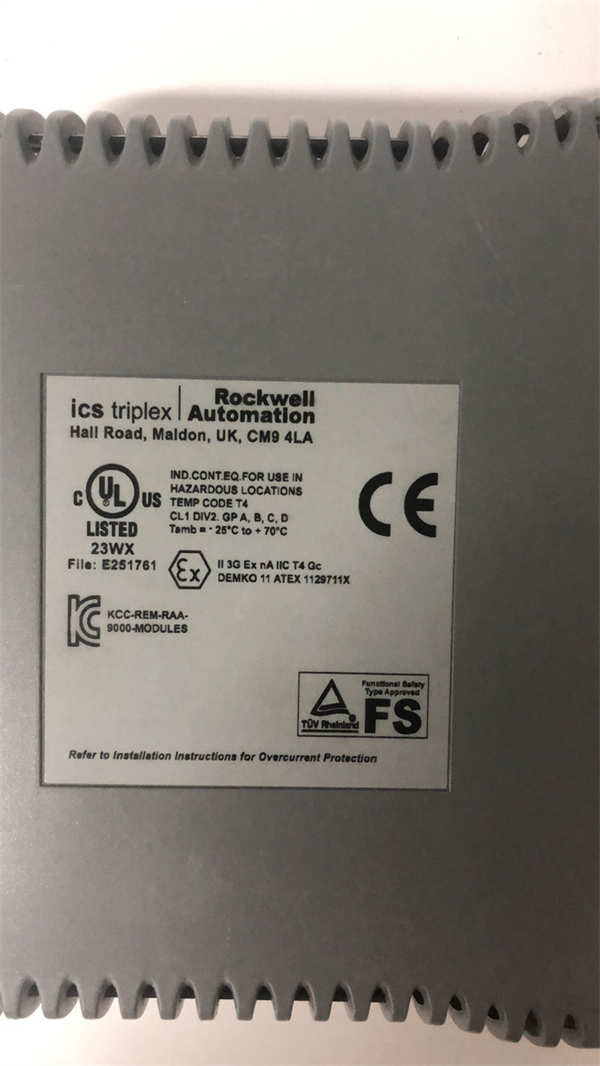
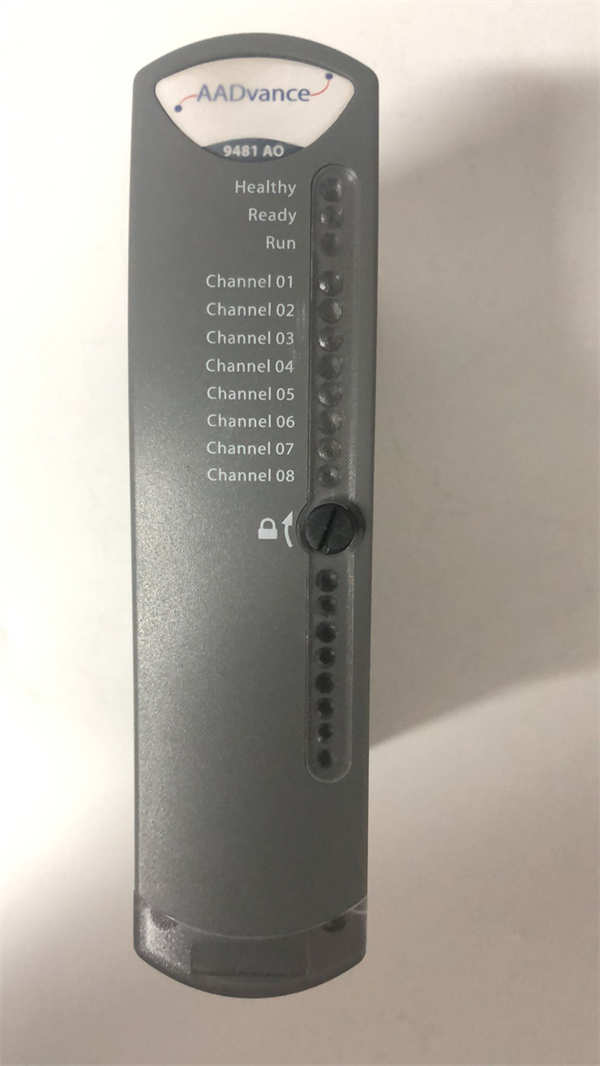
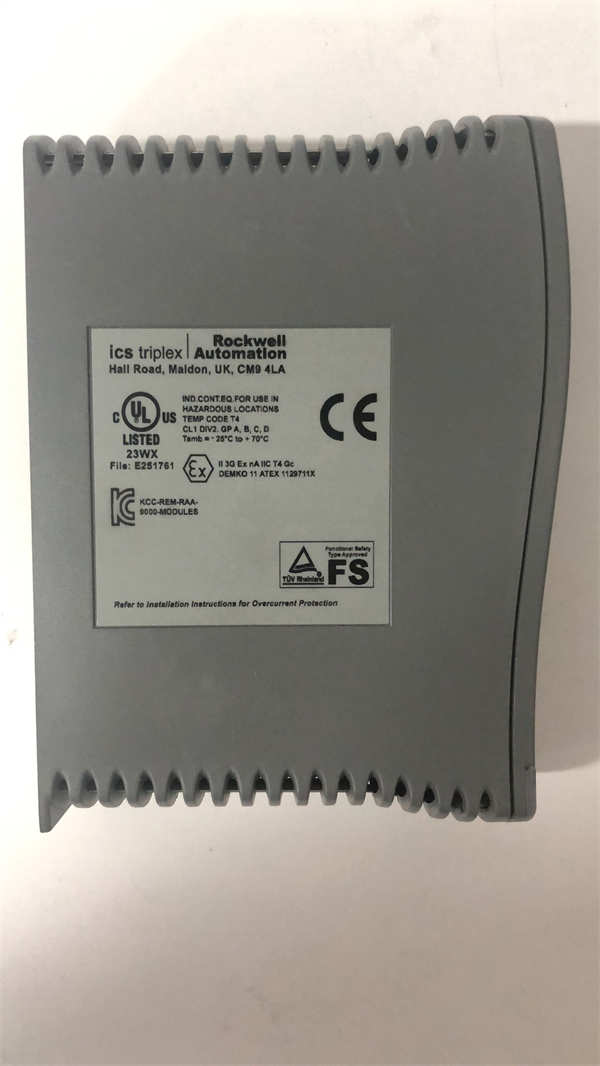
Technical Specifications (For Spare Parts Verification)
- Model: T9481
- Manufacturer: ICS Triplex / Schneider Electric
- System Platform: Triconex TMR (Triple Modular Redundant) Safety Instrumented System (SIS)
- Module Type: Digital Output (DO), TMR architecture
- Channels: Typically 8 or 16 isolated output channels (variant-dependent)
- Output Type: Relay or solid-state (T9481 is commonly relay-based for high-integrity applications)
- Voltage Rating: Compatible with 24–125 VDC or VAC (depending on sub-model and terminal kit)
- Safety Certification: Certified to IEC 61508 SIL3, ANSI/ISA 84.01, and other functional safety standards
- Redundancy: Each output channel implemented in triplicate with voting; fault-tolerant to two simultaneous internal failures
- Diagnostics: Continuous built-in self-test (CBIST) with health status reported to main processor
- Mounting: Hot-swappable in Tricon chassis (e.g., Trident or Tricon v10/v11)
- Terminal Base: Requires specific terminal adapter (e.g., T9481-TA) for field wiring
System Role and Downtime Impact
The T9481 is a critical component in Triconex safety systems deployed across oil & gas, chemical processing, power generation, and other high-hazard industries. It executes final control actions during emergency shutdowns—such as de-energizing solenoid valves or tripping motor contactors—based on logic executed in the TMR main processors. Because it operates within a certified SIL3 architecture, its reliability is foundational to process safety. A failed T9481 may either cause a spurious trip (unnecessary shutdown with significant financial impact) or, more dangerously, a dangerous failure (failure to act when required), potentially leading to environmental release, equipment damage, or personnel injury. Even in redundant configurations, mismatched or degraded modules can trigger diagnostic alarms that force the system into a restricted mode, requiring immediate intervention.
Reliability Analysis and Common Failure Modes
Despite its robust TMR design, the T9481 is not immune to aging effects, particularly in harsh industrial environments:
- Relay contact degradation – mechanical relays wear over time, increasing contact resistance or causing sticking (fail-safe or fail-dangerous depending on circuit design).
- Power supply capacitor aging – internal filtering capacitors dry out, leading to voltage instability and false diagnostics.
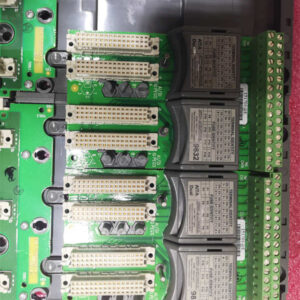
- Connector or backplane corrosion – especially in offshore or humid facilities, causing intermittent communication with the main chassis.
- Firmware or PROM obsolescence – older revisions may be incompatible with newer Tricon main processors or engineering tools (TriStation 1131).
A key vulnerability is that while the module performs continuous self-tests, latent faults in the output path (e.g., high-resistance contacts) may not be detected until a demand occurs. For preventive maintenance, operators should:
- Perform periodic proof tests per IEC 61511 requirements, including full loop validation
- Monitor diagnostic logs for “channel degrade” or “voter mismatch” warnings
- Inspect terminal blocks for heat discoloration or loose connections
- Maintain firmware and hardware revision alignment across all TMR legs
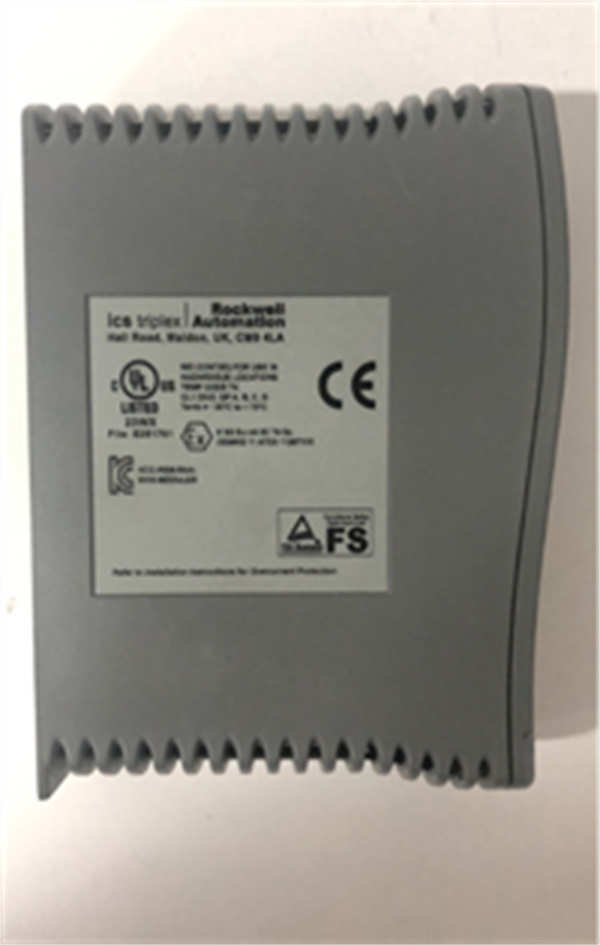
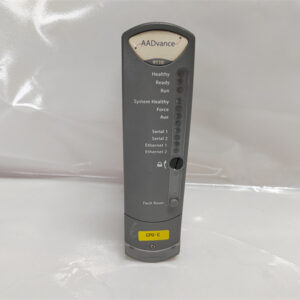
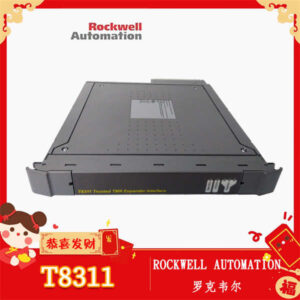
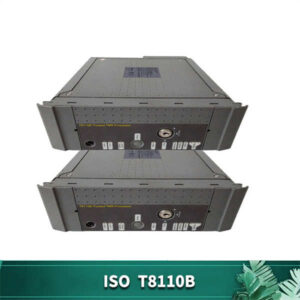
ICS Triplex T9481
Lifecycle Status and Migration Strategy
Schneider Electric has formally discontinued the T9481 as part of its legacy Triconex portfolio rationalization. New units are unavailable through official channels, and technical support is limited to existing service contracts. Continuing to use this module introduces significant risk: spare authenticity cannot be guaranteed, and safety certification validity may be questioned during audits if original test records are missing.
Short-term mitigation includes:
- Acquiring tested, traceable spares from authorized Triconex legacy partners
- Implementing rigorous incoming inspection and burn-in procedures for any used unit
- Maintaining detailed as-built documentation of module revisions and certifications
For long-term sustainability, Schneider recommends migration to current-generation Triconex output modules such as the MPU IO DO modules (e.g., 3708E, 3728) used in Tricon CX or Tricon X platforms. These offer:
- Enhanced diagnostics and cybersecurity features
- Compatibility with modern TriStation software
- Extended lifecycle support and global availability
Migration typically requires:
- Replacement of terminal bases and possibly I/O chassis
- Reconfiguration in TriStation 1131 (logic reuse is often possible)
- Re-validation of safety loops to maintain SIL compliance
Given the safety-critical nature of T9481 applications, delaying migration increases exposure to both operational and regulatory risk. A structured obsolescence management plan—including inventory audit, risk assessment, and phased upgrade—is essential to ensure continued process safety and compliance.