 Tel:
Tel:  Email:
  WhatsApp:
 Description
Key Technical Specifications (For Verification & Replacement Planning)
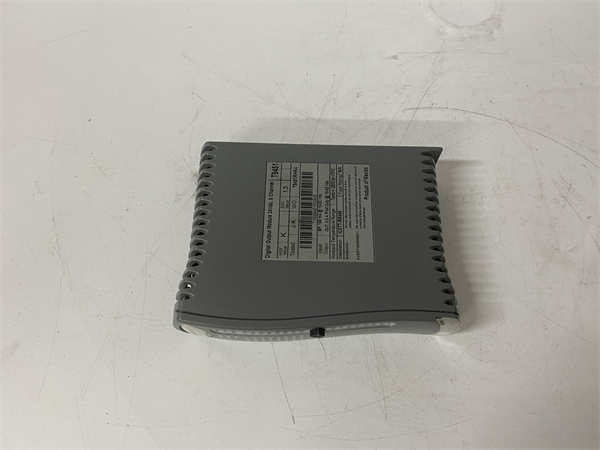
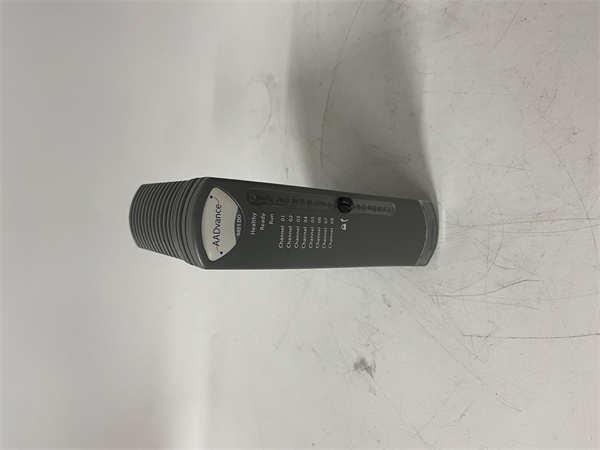
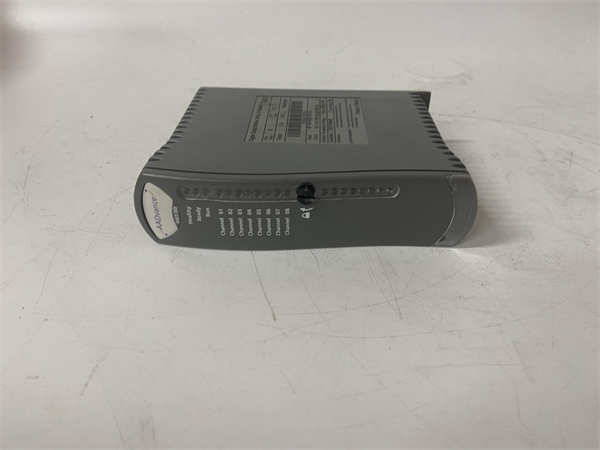
- Module Type: TMR Digital Output (DO)
- System Platform: ICS Triplex Tricon or Triconex TMR architecture
- Output Channels: Typically 8 or 16 isolated relay or solid-state outputs (varies by sub-model)
- Redundancy: Triple-redundant signal paths with voter logic—each output driven by three independent processors
- Fail-Safe Behavior: De-energize-to-trip (standard); outputs default to safe state on fault detection
- Certifications: Certified to IEC 61508 SIL 3, IEC 61511, and often FM/ATEX for hazardous areas
- Power Supply: Powered via redundant backplane from main chassis (e.g., T9400 series rack)
- Diagnostics: Continuous online self-test (COST), including output circuit verification and cross-channel comparison
- Form Factor: Proprietary ICS Triplex module, hot-swappable in compatible chassis
System Role and Downtime Impact
The T9451 is deployed in safety-critical applications such as:
- Emergency shutdown (ESD) systems in oil & gas platforms
- Burner management in refineries
- Reactor trip systems in chemical plants
- Turbine overspeed protection
In a TMR architecture, the T9451 receives trip commands from three independent main processors. Only if two out of three agree is the output activated. This design tolerates single-point failures without compromising safety. However, if the T9451 itself fails (e.g., due to internal voter fault or output driver damage), it may:
- Fail dangerously: Remain energized during a required trip → process hazard
- Fail safely: Go into fault state and force a spurious trip → production loss
Both outcomes are unacceptable in different ways—underscoring why this module is treated as a high-integrity asset.
Reliability Analysis and Common Failure Modes
Despite robust TMR design, aging units exhibit:
- Relay contact welding: In electromechanical output versions, repeated switching under load causes contacts to stick closed—fail-dangerous condition
- Solid-state driver degradation: In SSR versions, thermal cycling leads to increased on-resistance or short circuits
- Backplane connector corrosion: Moisture ingress in harsh environments increases contact resistance, causing intermittent communication with main processors
- Capacitor aging on internal DC/DC converters: Leads to voltage droop, triggering false diagnostics or output dropout
Preventive measures include:
- Annual functional proof tests per IEC 61511
- Monitoring system logs for “Channel Mismatch” or “Output Fault” alarms
- Verifying loop continuity with calibrated test equipment during shutdowns
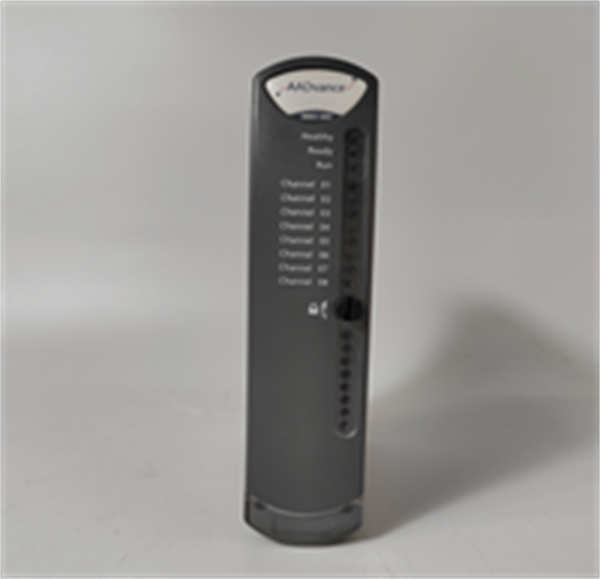
ICS TRIPLEX T9451
Lifecycle Status and Migration Strategy
ICS Triplex was acquired by Schneider Electric, which has largely migrated safety customers to the Triconex T3/T4 platforms or Foxboro DCS with Safety Manager. The T9451 is no longer manufactured, and official repair services have been phased out.
Short-term mitigation:
- Source units only from certified surplus vendors with full diagnostic test reports
- Maintain a minimum of 2 tested spares per critical system
- Implement external watchdog relays as an independent backup layer (where feasible)
Long-term strategy:
- Plan migration to Triconex T4000 or Schneider Foxboro Safety Manager
- Perform SIL verification revalidation post-migration
- Retrain personnel on modern safety engineering tools (e.g., Triconex Enhanced Diagnostic Monitor)
Conclusion
The ICS Triplex T9451 is a cornerstone of legacy functional safety systems but represents a high-risk obsolescence item. Due to its role in preventing catastrophic events, organizations must treat its lifecycle status with urgency—either securing rigorously tested spares or executing a structured migration to a supported safety platform. Delaying action exposes both operational continuity and personnel safety to escalating risk.