 Tel:
Tel:  Email:
  WhatsApp:
 Description
Technical Specifications (For Spare Part Verification)
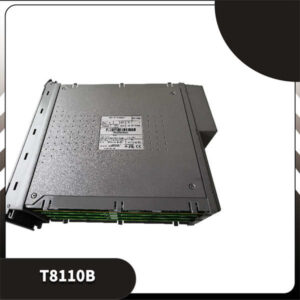
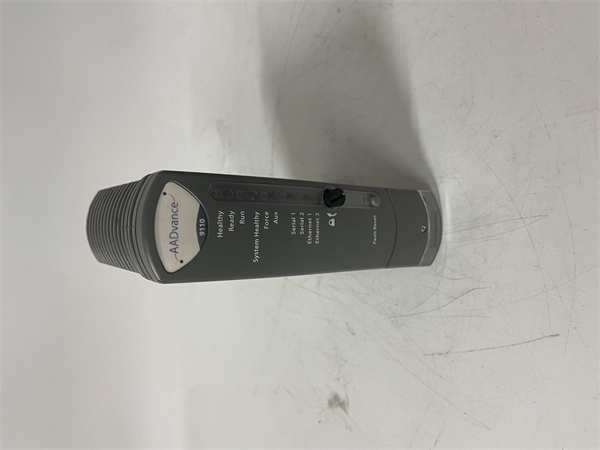
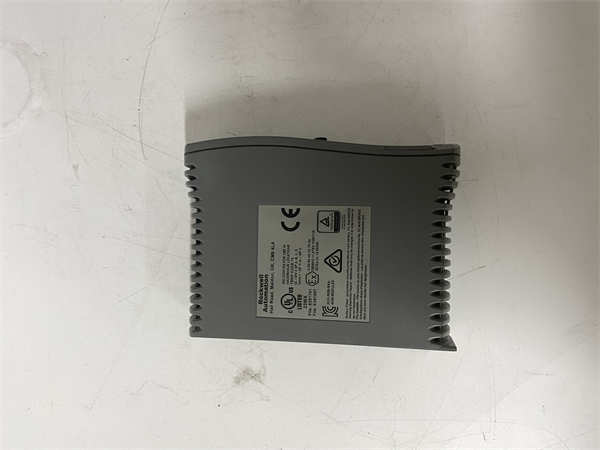
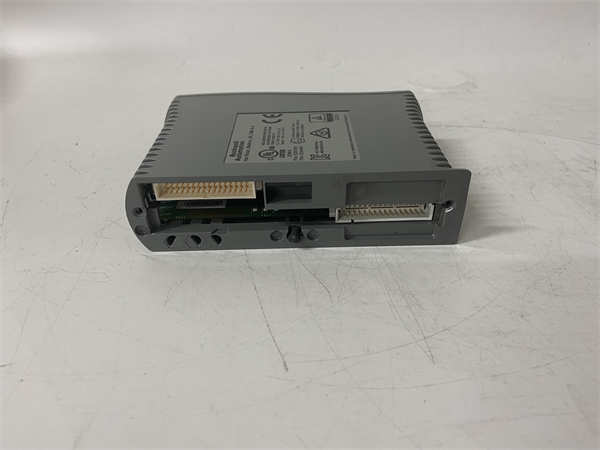
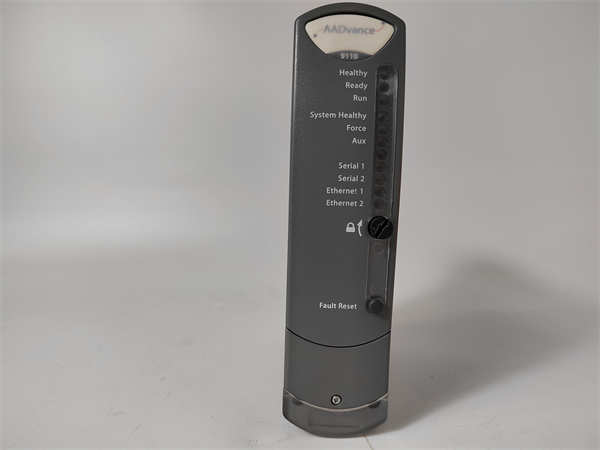
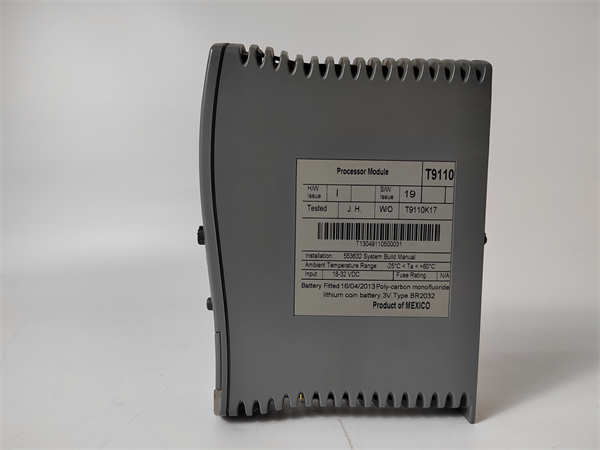
- Product Model: T9110
- Manufacturer: ICS Triplex
- System Family: Trusted™ TMR Safety Instrumented System (SIS)
- Output Channels: 16 isolated digital outputs (relay contact or solid-state, depending on variant)
- Output Type: Typically Form C relay contacts rated for 2 A @ 30 VDC / 250 VAC (verify exact sub-model)
- Redundancy Architecture: Triple-redundant signal paths with internal voting and diagnostic coverage per TMR principles
- Diagnostic Coverage: >99% (aligned with IEC 61508 SIL 3 requirements)
- Isolation: Channel-to-channel and channel-to-backplane isolation (>500 VAC)
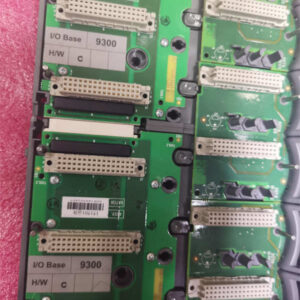
- Backplane Interface: Proprietary Trusted chassis bus (requires compatible T91xx/T94xx mainframe)
- LED Indicators: Power, OK, Fault, and per-channel status indicators
- Operating Temperature: 0°C to +60°C
- Certification: Compliant with IEC 61508 SIL 3, API RP 14C, ANSI/ISA 84.01
System Role and Downtime Impact
The ICS Triplex T9110 serves as a critical actuation interface in high-integrity safety systems deployed in oil & gas, petrochemical, and power generation facilities. It receives trip commands from the Trusted TMR logic solver and energizes or de-energizes field devices such as emergency shutdown (ESD) valves, blowdown systems, or firewater pumps. Due to its role in the final element layer of a safety instrumented function (SIF), the T9110 directly influences whether a hazardous event is mitigated or escalates. A failed module may either fail dangerously—remaining energized during a real demand, preventing shutdown—or fail safely—de-energizing without cause, triggering an unplanned plant trip. In SIL 3 applications, either outcome carries severe operational, financial, or safety consequences. Without a verified spare, recovery from failure can take weeks, exposing the facility to extended risk.
Reliability Analysis and Common Failure Modes
Although built to stringent TMR standards, the T9110 is susceptible to age-related degradation after decades of continuous service. The most common failure mode is mechanical wear or contact welding in the electromechanical relays, especially in applications with frequent testing or high inductive loads. Solid-state variants may suffer from gate oxide breakdown in output transistors due to voltage transients. Internal power regulation circuits also degrade over time, leading to insufficient coil drive voltage and incomplete relay actuation. Additionally, contamination from dust or chemical vapors in harsh environments can cause contact resistance to increase beyond acceptable limits, resulting in intermittent output failures that may not trigger a module fault indication.
Key design considerations:
- Relay life is finite (~100,000 operations typical); frequent partial-stroke testing accelerates wear
- No built-in contact monitoring—failure may be latent until demanded
- Sensitive to back-EMF from inductive loads without proper suppression
Preventive maintenance recommendations:
- Perform annual functional validation by simulating a trip command and verifying field device response
- Measure contact resistance (<100 mΩ) during scheduled outages using a milliohm meter
- Inspect for signs of arcing or discoloration on terminal blocks
- Store spares in climate-controlled, anti-static packaging with desiccant
ICS Triplex T9110
Lifecycle Status and Migration Strategy
ICS Triplex officially discontinued the T9110 as part of the legacy Trusted product line phase-out. Schneider Electric ceased manufacturing and technical support years ago, with no direct “new old stock” available. Remaining units exist only in decommissioned systems or unverified surplus channels—posing significant risk due to unknown operational history and potential latent defects.
As an interim measure, facilities may:
- Acquire and fully functionally test 1–2 spares under simulated load conditions
- Implement external contact supervision circuits to detect welded or open relay contacts
- Reduce unnecessary trip simulations to extend relay life
For long-term sustainability, migration to the Triconex Trident platform is the endorsed path. The equivalent output module (e.g., MPU-3008DO or MPU-3016RO) offers:
- Higher diagnostic coverage with built-in contact feedback (for relay variants)
- Modern cybersecurity and remote diagnostics
- Extended lifecycle support through at least 2035
Migration requires:
- Replacement of the Trusted mainframe with a Trident chassis
- Rewiring to new I/O terminal bases (field cabling often reusable via marshalling junction boxes)
- Revalidation of all SIFs per IEC 61511, including proof test procedures
A staged migration during planned turnarounds allows facilities to eliminate obsolescence risk while maintaining compliance with functional safety regulations and ensuring continued protection of personnel, assets, and the environment.