 Tel:
Tel:  Email:
  WhatsApp:
 Description
Technical Specifications (For Spare Parts Verification)
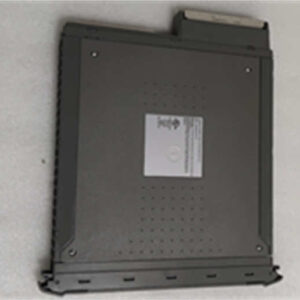
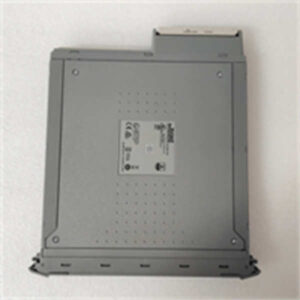
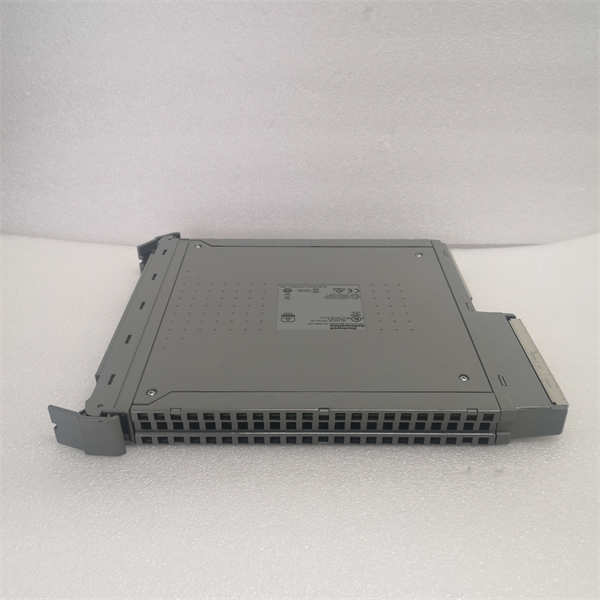
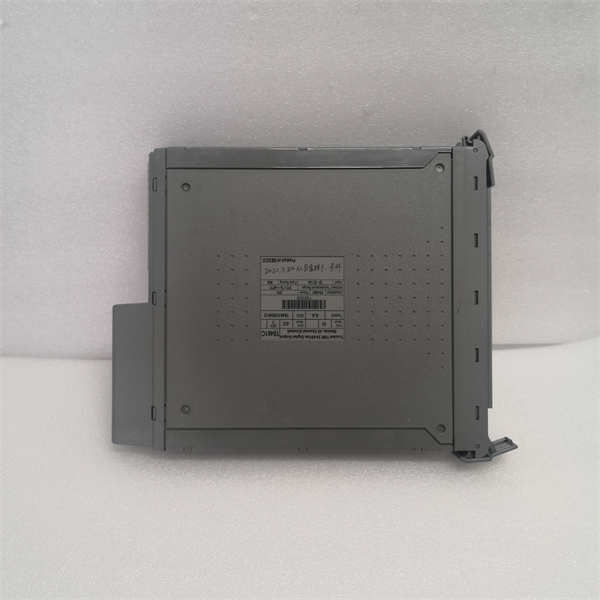
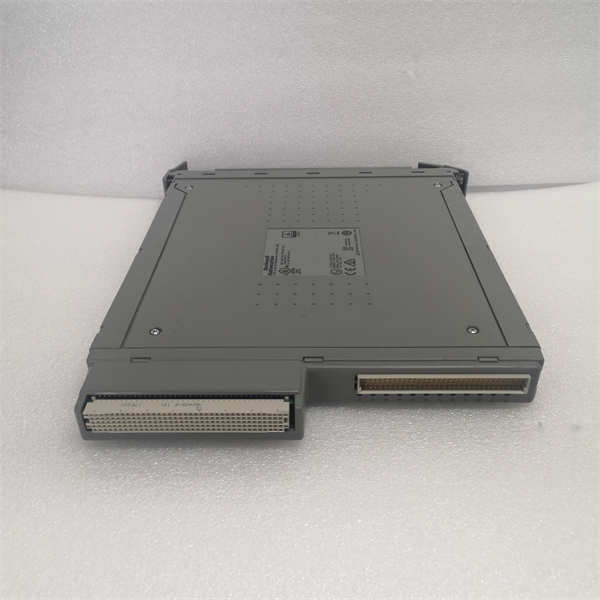
- Product Model: T8461C
- Manufacturer: ICS TRIPLEX / Rockwell Automation
- System Family: Trusted T8400 Series (T841x, T844x controllers)
- Module Type: Triple-Modular Redundant (TMR) Communication Interface
- Network Protocol: Proprietary Trusted Triplex LAN (TTLAN) over RS-485 physical layer
- Ports: Dual isolated RS-485 ports for redundant ring or bus topology
- Data Rate: 1.5 Mbps (nominal)
- Redundancy: Full TMR implementation – three independent communication channels per module
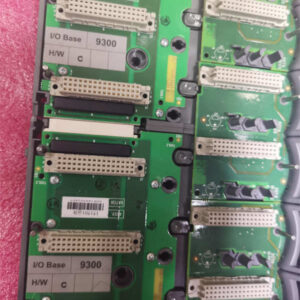
- Mounting: Dedicated slot in T8400 chassis backplane
- Diagnostic Indicators: Per-channel OK/FAULT LEDs
- Power Consumption: ~8 W
- Operating Temperature: 0°C to +60°C
System Role and Downtime Impact
The ICS TRIPLEX T8461C is a critical enabler of system visibility and control in Trusted T8400 safety instrumented systems (SIS), commonly used in offshore platforms, refineries, and chemical plants for emergency shutdown and fire & gas protection. It handles all non-safety-critical but operationally essential traffic—including configuration downloads, diagnostic data, event logging, and HMI communication—while maintaining strict separation from the TMR safety logic execution path. Although not part of the final element trip chain, a failed T8461C can prevent operators from viewing real-time status, acknowledging alarms, or performing online diagnostics. In extreme cases, loss of communication may trigger a “maintenance trip” or prevent system restart after a shutdown. For facilities without redundant communication paths, this module’s failure directly impacts operational availability and regulatory compliance.
Reliability Analysis and Common Failure Modes
Despite its passive role in safety logic, the T8461C is susceptible to long-term reliability issues due to its continuous operation in harsh industrial environments. Common failure modes include:
- RS-485 transceiver degradation: Repeated exposure to ground potential differences and electrical noise causes driver/receiver ICs to drift or fail, leading to intermittent communication or complete link loss.
- Isolation barrier breakdown: The opto-isolators or DC-DC converters that separate field-side from system-side can degrade over time, especially under sustained high common-mode voltage stress.
- Capacitor aging: Onboard electrolytic capacitors in power filtering circuits dry out, causing voltage ripple that destabilizes the communication controller.
- Backplane connector corrosion: Oxidation on edge connectors leads to poor contact, manifesting as sporadic module faults or “ghost” errors in the diagnostics log.
A key design limitation is the lack of hot-swap capability in early T8400 systems—replacing the module typically requires a controlled system shutdown. As preventive maintenance, operators should:
- Monitor communication error counters via Triplex Tools software
- Inspect LED status indicators during routine rounds for flickering or mismatched channel states
- Verify grounding and shield continuity of the TTLAN cable network annually
- Keep firmware versions consistent across all T8461C modules in redundant setups
ICS TRIPLEX T8461C
Lifecycle Status and Migration Strategy
Rockwell Automation has formally obsoleted the T8461C as part of the broader Trusted T8400 end-of-life strategy. No new production exists, and official spare parts pools have been depleted. Continued reliance on this module carries significant risk: secondary market units may be untested, mislabeled, or sourced from decommissioned systems with unknown service history.
As an interim measure, users can:
- Acquire units only from vendors who perform full functional validation on a live T8400 test bench
- Maintain at least one verified spare per system, stored in climate-controlled conditions
- Implement network monitoring to detect early signs of communication degradation
The strategic migration path is to transition to Rockwell’s PlantPAx with GuardLogix 5580 or Triconex Trident platforms, both of which offer modern cybersecurity features, open standards (CIP Safety, OPC UA), and long-term support. However, such upgrades require full re-engineering of safety logic, I/O retermination, and operator training. For sites extending T8400 life, rigorous spares management and proactive health checks remain the only viable means to mitigate unplanned downtime linked to this obsolete communication module.