 Tel:
Tel:  Email:
  WhatsApp:
 Description
Key Technical Specifications (For Spare Parts Verification)
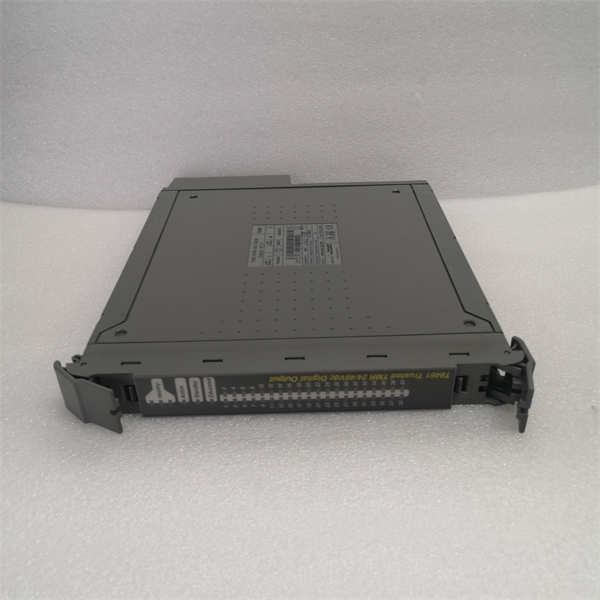
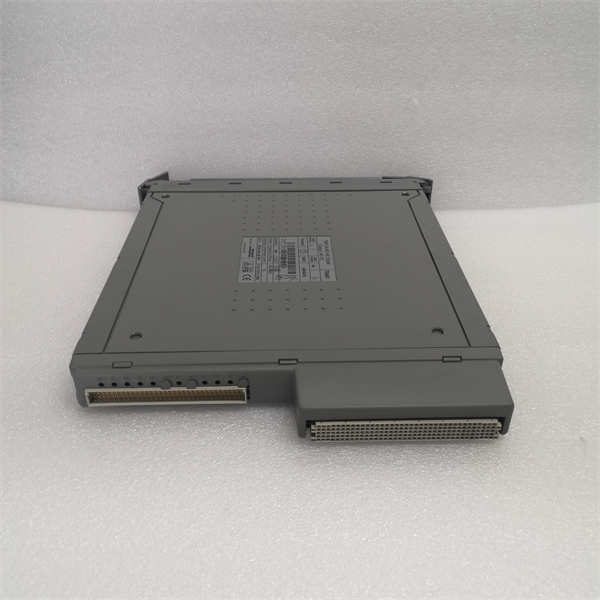
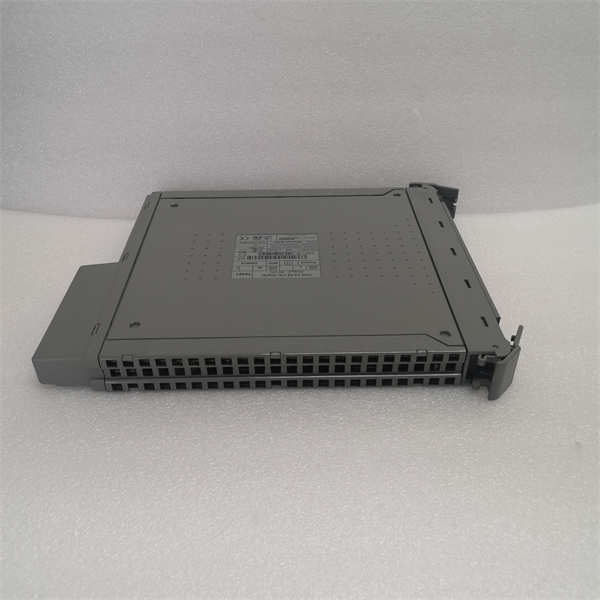
- Product Model: T8461
- Manufacturer: ICS Triplex / Rockwell Automation
- System Family: Classic Triplex TMR Platform (pre-Trusted architecture)
- Module Type: Digital Output (DO), Relay-Based
- Output Channels: 4 independent TMR channels (each channel = 3 relays in voted configuration)
- Contact Rating: Typically 2 A @ 30 VDC / 250 VAC (resistive load)
- Relay Type: Sealed electromechanical relays with force-guided contacts (compliant with EN 50205)
- Diagnostic Coverage: Continuous on-line monitoring of relay coil, contact weld, and open-circuit faults
- Mounting: Dedicated slot in Triplex TMR chassis (requires compatible backplane and power supply)
- Safety Certification: Certified to IEC 61508 SIL3, ANSI/ISA 84.01
System Role and Downtime Impact
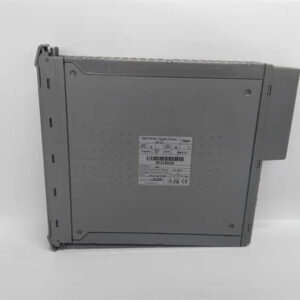
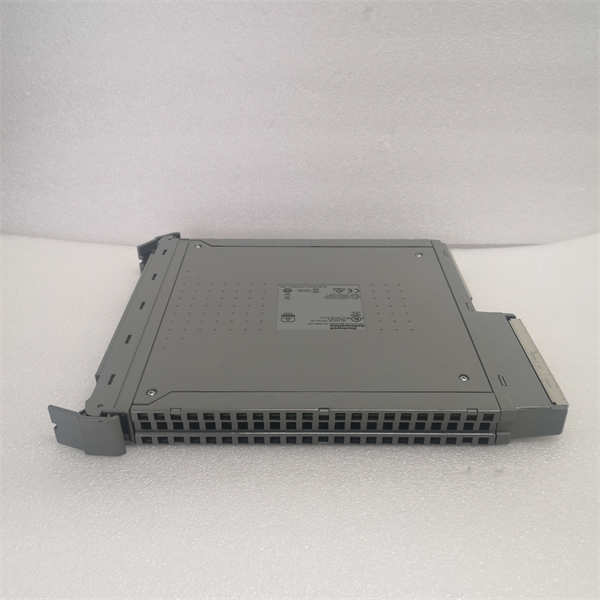
The ICS Triplex T8461 serves as the final actuation interface in legacy TMR safety systems, commonly deployed in oil & gas, petrochemical, and power generation facilities. Each of its four output channels independently controls a safety-critical device—such as an emergency shutdown (ESD) valve or turbine trip solenoid—using a 2-out-of-3 (2oo3) voting scheme across three physical relays per channel. This design ensures that a single relay failure does not cause a spurious trip, while still guaranteeing fail-safe action upon a real demand.
If a T8461 module fails completely (e.g., due to power loss or internal fault), the associated safety function is lost. In most configurations, this triggers a system-wide safety trip to maintain process integrity. Because the T8461 is often used for primary isolation functions, its failure can result in a full plant or unit shutdown, with potential production losses exceeding hundreds of thousands of dollars per day. Its position at the “last mile” of the safety chain makes it irreplaceable without a verified spare.
Reliability Analysis and Common Failure Modes
Despite its robust TMR architecture, the T8461 is vulnerable to mechanical and electrical wear due to its reliance on electromechanical relays:
- Contact welding: Under high inrush currents (e.g., when driving solenoid coils), relay contacts can weld shut, preventing safe de-energization. The TMR voting logic usually detects this via feedback, but repeated cycling accelerates wear.
- Coil degradation: Relay drive coils are susceptible to voltage spikes and thermal stress, leading to open circuits or increased resistance, which reduces actuation force.
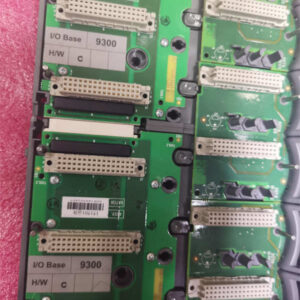
- Backplane connector fatigue: Repeated thermal expansion/contraction over decades can loosen the card-edge connection, causing intermittent signal loss or diagnostic alarms.
A key design limitation is the finite mechanical life of the relays—typically rated for 100,000 operations. In high-cycle applications (e.g., frequent testing), this lifespan may be exhausted well before the system’s intended service life. Preventive maintenance should include:
- Annual inspection of relay operation counters (if logged by the system)
- Measurement of contact resistance during outages
- Visual check for arcing marks or discoloration on terminals
- Verification of force-guided contact linkage integrity
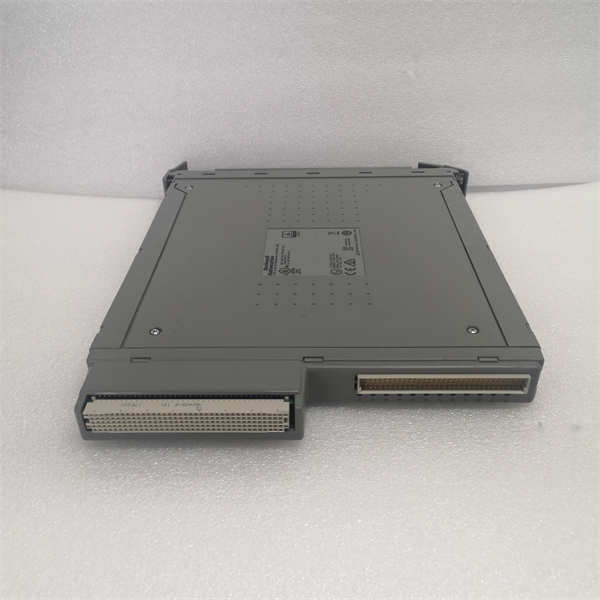
ICS TRIPLEX T8461
Lifecycle Status and Migration Strategy
The T8461 has been discontinued since Rockwell Automation consolidated the ICS Triplex product line into the Trusted TMR platform. No new units have been produced for over 15 years. Continued operation relies entirely on aging inventory, with increasing risk of counterfeit or untested parts entering the supply chain.
Short-term risk mitigation includes:
- Securing tested, tagged spares from certified vendors with full diagnostic logs
- Implementing strict handling procedures (ESD protection, humidity control) for stored units
- Avoiding unnecessary output cycling to extend relay life
For long-term sustainability, Rockwell recommends migrating to the Trusted TMR DO modules (e.g., T9461 or T9462), which offer solid-state switching, higher channel density, and integration with modern PlantPAx and FactoryTalk systems. However, migration requires:
- Full replacement of the chassis, power supplies, and I/O backplane
- Reconfiguration of safety logic in Trusted Application Studio
- Recertification of all safety instrumented functions (SIFs)
Given the criticality of these systems, many operators adopt a “run-to-failure with robust sparing” strategy while planning phased migration during major turnarounds. Proactive lifecycle management is essential to avoid forced outages due to unavailability of this obsolete but vital component.