 Tel:
Tel:  Email:
  WhatsApp:
 Description
Technical Specifications (For Spare Part Verification)
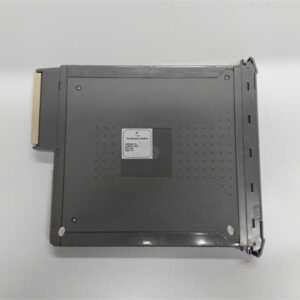
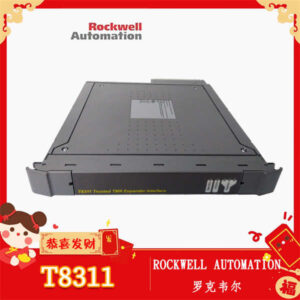
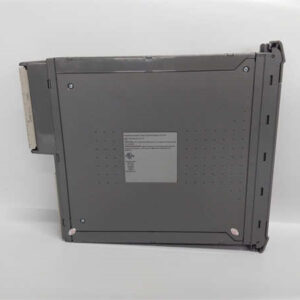
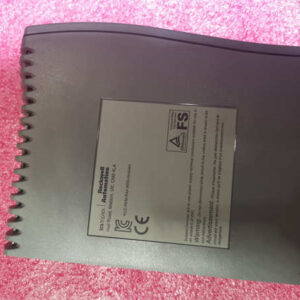
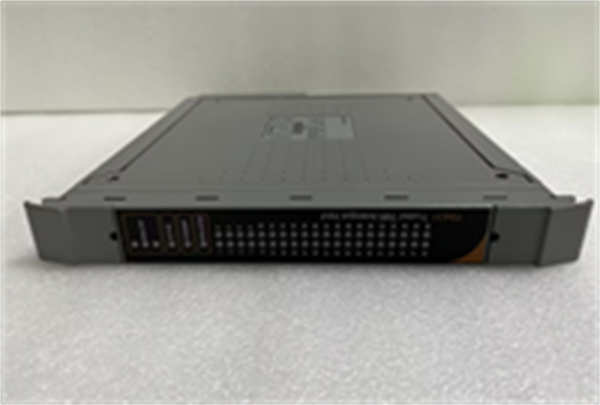
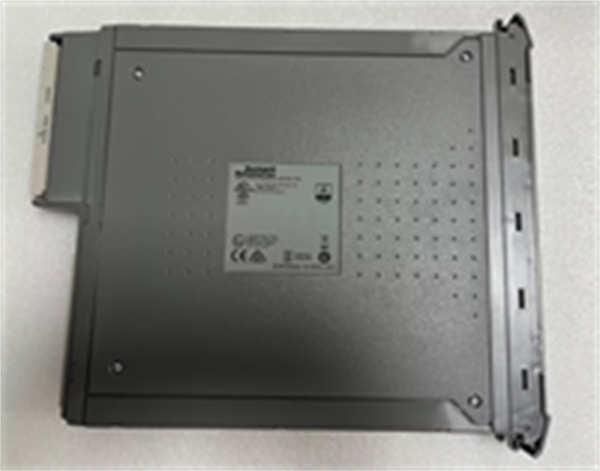
- Product Model: T8431
- Manufacturer: ICS Triplex (Schneider Electric)
- System Family: T8400 Trusted Triple-Modular Redundant (TMR) Safety System
- Module Type: TMR Analog Input (AI)
- Input Channels: 8 independent channels (grouped in sets of 3 for TMR voting)
- Input Signal Range: 4–20 mA (standard), with optional HART pass-through
- Input Impedance: Typically 250 Ω per channel
- Isolation: Channel-to-channel and channel-to-backplane isolation per IEC 61508
- Diagnostic Coverage: Built-in self-test, cross-channel comparison, open-circuit and short-circuit detection
- Backplane Interface: Proprietary TMR bus with triple-redundant data paths
- LED Indicators: Per-channel status (active, fault, voted state)
- Mounting: Inserted into T8400 chassis with guided backplane connector
System Role and Downtime Impact
The ICS Triplex T8431 serves as the primary interface for analog field signals in high-integrity safety systems deployed in refineries, offshore platforms, and chemical plants. It acquires critical measurements—such as reactor pressure or turbine bearing temperature—and feeds them into the TMR logic solver for real-time safety evaluation. Because the T8431 operates under a 2oo3 (Two-out-of-Three) voting architecture, a single channel failure may be masked, but simultaneous degradation in multiple lanes can compromise safety integrity. A complete module failure typically disables an entire group of safety loops, potentially preventing automatic shutdown during overpressure or overheating events. Since T8400 systems rarely feature redundant I/O segments, replacement usually requires a controlled process stop, resulting in significant operational and financial impact.
Reliability Analysis and Common Failure Modes
Despite its robust design, the T8431 is vulnerable to age-related degradation common in electronics manufactured in the late 1990s to early 2000s. The most frequent failure modes include:
- Drift or loss of 4–20 mA input accuracy due to aging precision resistors or op-amps in the signal conditioning circuit
- Degradation of optocouplers used for inter-lane isolation, leading to voting mismatches or diagnostic faults
- Corrosion or oxidation on the high-density backplane connector pins, causing intermittent communication with processor modules
- Electrolytic capacitor failure in local power regulation stages, triggering random resets or channel dropouts
Preventive maintenance recommendations include:
- Performing annual loop calibration using certified mA sources to verify linearity and voting behavior
- Inspecting backplane contacts for discoloration or pitting during scheduled outages
- Monitoring diagnostic logs for recurring “channel mismatch” or “self-test fail” alarms
- Storing spare modules in static-controlled, low-humidity environments and powering them periodically to prevent storage-induced failures
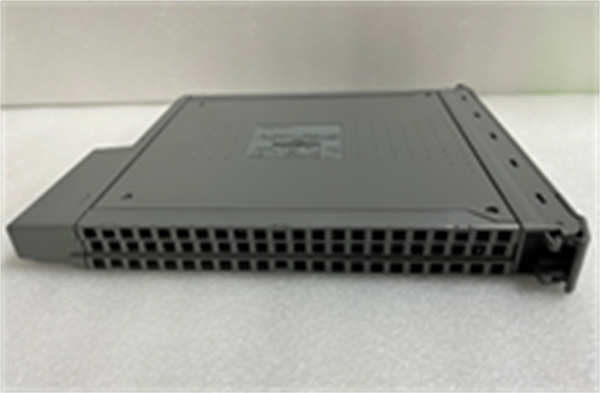
T8431 ICS TRIPLEX
Lifecycle Status and Migration Strategy
Schneider Electric has officially ended support for the T8400 platform, including the T8431, as part of its strategic focus on the Triconex portfolio. No new units are manufactured, and original configuration tools (e.g., TMR Tools) are no longer distributed. Continued operation exposes facilities to escalating risks: unverifiable spare authenticity, inability to meet audit requirements under IEC 61511:2016, and growing difficulty in troubleshooting without vendor assistance.
Short-term risk mitigation includes:
- Securing tested, traceable T8431 modules from certified lifecycle vendors with full functional burn-in reports
- Engaging specialized repair services capable of component-level restoration using industrial-grade replacements
- Implementing external signal monitoring (e.g., mA loop recorders) to provide early warning of input drift
For long-term sustainability, Schneider’s recommended migration path is to transition to the Triconex TCM (Triplex Control Module) platform. This modern TMR system offers enhanced diagnostics, native OPC UA support, and compliance with IEC 62443 cybersecurity standards. Migration requires:
- Replacement of I/O chassis, terminal blocks, and all T84xx modules
- Re-engineering of safety logic using Tristation 1131
- Recertification of all safety instrumented functions (SIFs) under current functional safety lifecycle requirements
While capital-intensive, this upgrade eliminates obsolescence exposure, restores access to technical support, and ensures continued alignment with global safety and operational integrity expectations—making it a necessary step for any facility operating critical processes beyond the next five years.