 Tel:
Tel:  Email:
  WhatsApp:
 Description
Key Technical Specifications (For Spare Part Verification)
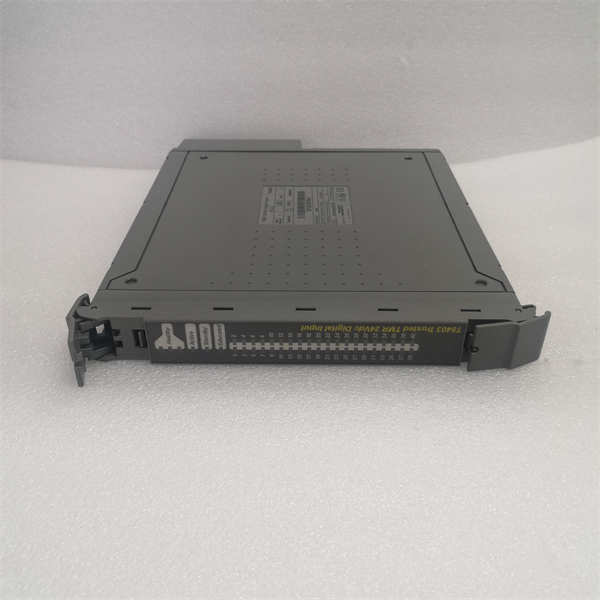
- Product Model: T8403
- Manufacturer: ICS Triplex / Schneider Electric
- System Family: Triconex T8xxx Series (Classic TMR Architecture)
- Module Type: Discrete Output (DO), TMR
- Output Channels: 16 channels (grouped in 2 banks of 8)
- Output Type: Dry contact or powered (depending on backplane and terminal module)
- Voltage Rating: Typically compatible with 24–125 V DC or AC (depends on associated terminal base, e.g., T8471)
- Diagnostic Coverage: Built-in self-test (BIT) with channel-level fault reporting to main processor
- Redundancy: Full triple-redundant signal path (three independent output drivers per logical channel)
- Mounting: Plugs into T8xxx chassis (e.g., T8100, T8200) with keyed connector to prevent misinsertion
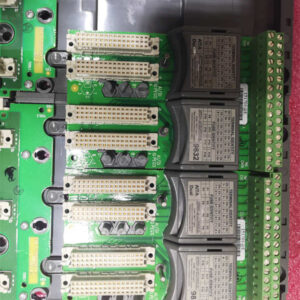
- Terminal Base Compatibility: Requires specific terminal modules (e.g., T8471 for relay outputs, T8481 for solid-state)
System Role and Downtime Impact
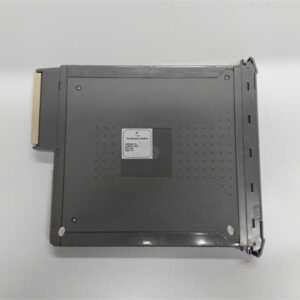
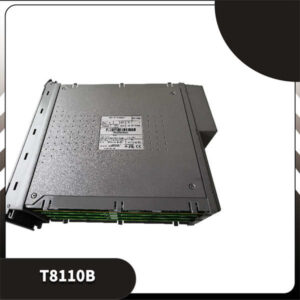
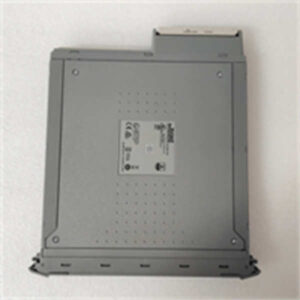
The T8403 serves as a critical output interface in Triconex T8xxx-based Safety Instrumented Systems (SIS). It resides in the I/O chassis and converts voted logic decisions from the three main processors into physical output signals that actuate emergency shutdown valves, motor starters, or alarm relays. Because it operates under TMR architecture, a single channel fault does not cause system failure—but a complete module failure or loss of voting integrity can result in a system trip or inability to execute a safety action.
If the T8403 fails and no spare is available, the affected safety loop becomes inoperable. In continuous-process industries (e.g., refineries, LNG plants), this typically forces a partial or full plant shutdown to comply with IEC 61511 requirements, as operating without a certified SIS function violates safety integrity level (SIL) compliance. Downtime costs can exceed hundreds of thousands of dollars per hour, making timely access to verified spares essential.
Reliability Analysis and Common Failure Modes
Despite its robust TMR design, the T8403 is susceptible to age-related degradation due to its decades-long deployment in harsh industrial environments. The module itself contains no batteries, but its reliability is heavily influenced by external factors and supporting components.
Common failure modes include:
- Output driver degradation: Repeated switching of inductive loads (e.g., solenoid valves) causes arcing and eventual contact wear in associated relay terminal bases (e.g., T8471), which are often mistaken for T8403 faults.
- Connector corrosion: Vibration and humidity in field cabinets can oxidize the gold-plated backplane connectors, leading to intermittent communication or false diagnostics.
- Power supply stress: Although the T8403 draws power from the redundant chassis supplies, voltage sags or ripple from aging power modules can affect internal logic stability over time.
- Thermal fatigue: Continuous operation at elevated ambient temperatures accelerates semiconductor aging in the output driver ICs.
Key design weaknesses include dependency on proprietary terminal bases—failure in the terminal side (which handles the actual field wiring) often requires replacing both the base and the T8403 module during troubleshooting. Additionally, the module lacks modern cybersecurity features, though this is mitigated by Triconex’s air-gapped architecture.
Preventive maintenance recommendations:
- Perform annual diagnostic checks via TriStation 1131 to review channel health and fault logs.
- Inspect and clean backplane connectors during scheduled outages using approved contact cleaner.
- Verify terminal base relay coil resistance and contact continuity; replace bases proactively every 10–15 years.
- Maintain stable cabinet temperature (<50°C) and humidity (<80% non-condensing) to prolong component life.
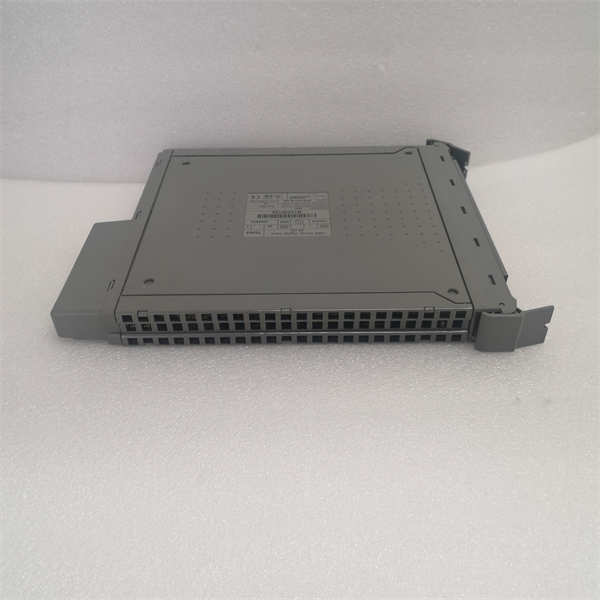
ICS TRIPLEX T8403
Lifecycle Status and Migration Strategy
Schneider Electric has formally discontinued the T8403 and the entire T8xxx product line. Official support is limited to break/fix assistance for existing installations, with no new units available through distribution. Continuing to operate on this platform carries significant risks: diminishing spare availability, rising costs (used units often exceed original list price), and lack of compatibility with modern engineering tools or cybersecurity standards.
For sites unable to undertake immediate full migration, temporary risk-mitigation strategies include:
- Securing a strategic spare inventory of T8403 modules and matched terminal bases from certified suppliers with full functional test reports.
- Implementing board-level repair programs with vendors who can rework failed output drivers or replace obsolete ICs under controlled conditions.
- Isolating critical loops onto dedicated chassis to limit common-cause failure exposure.
The official migration path endorsed by Schneider Electric is transition to the Triconex Trident platform (e.g., MP200/MP300 controllers with IO20x/IO30x I/O modules). This upgrade preserves the TMR safety architecture while offering enhanced diagnostics, Ethernet connectivity, and compatibility with current TriStation software. However, migration requires:
- Full re-engineering of application logic (though logic conversion tools exist),
- Replacement of all I/O modules and terminal bases,
- Recertification of the SIS to IEC 61511.
Organizations should initiate a formal obsolescence management plan now—assessing SIL requirements, budgeting for migration, and securing last-time buys—to avoid unplanned outages driven by component failure in the coming 3–5 years.