 Tel:
Tel:  Email:
  WhatsApp:
 Description
Technical Specifications (For Spare Parts Verification)
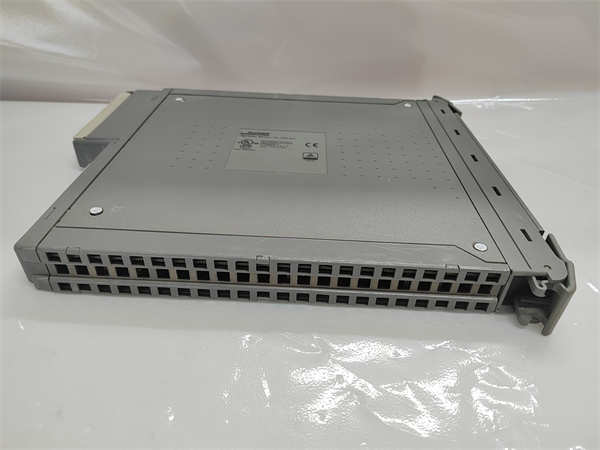
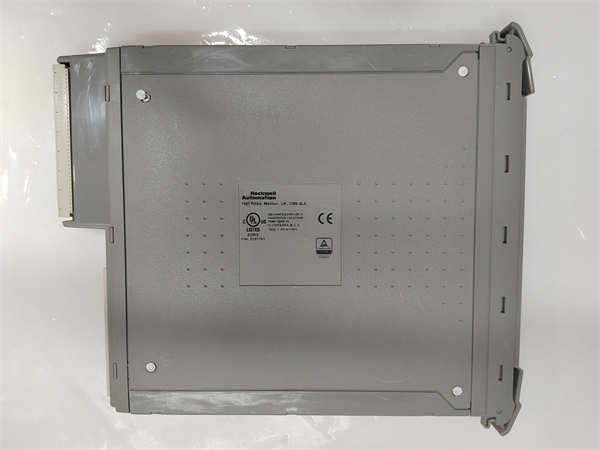
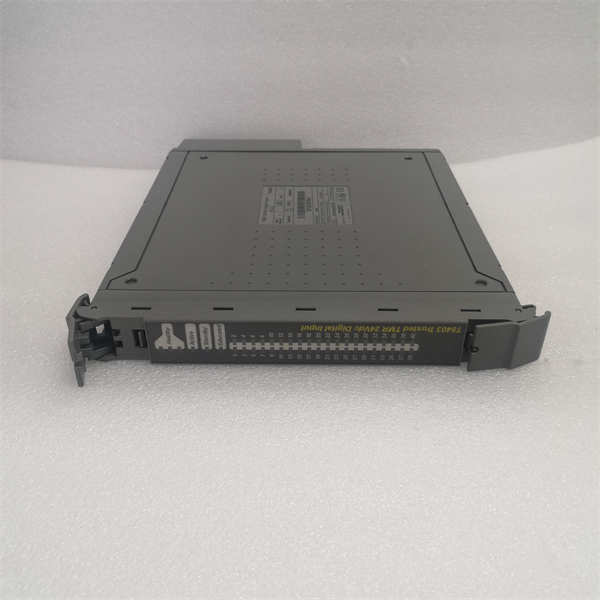
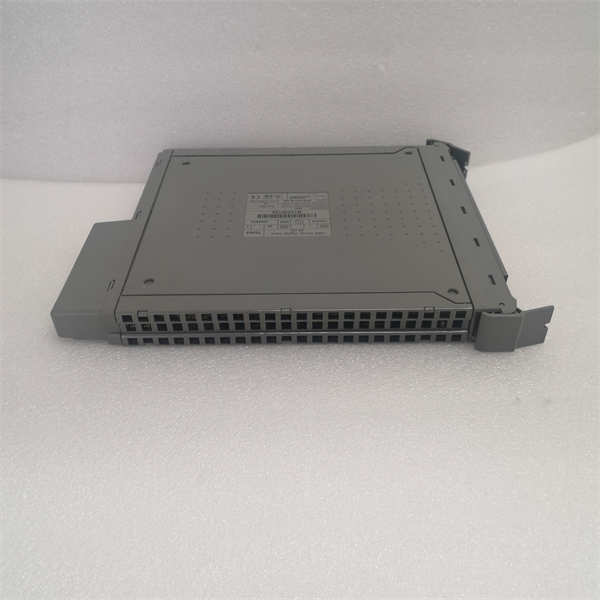
- Product Model: T8403
- Manufacturer: ICS Triplex / Rockwell Automation
- System Family: Trusted T8400 Series (used with T841x/T844x controllers)
- Module Type: TMR Digital Output (16 channels)
- Output Type: Passive dry-contact relay outputs (form C contacts)
- Contact Rating: 2 A @ 30 VDC / 250 VAC (resistive load)
- Isolation: Each channel galvanically isolated from logic and other outputs
- Redundancy Architecture: Three independent output drivers per logical channel with voting; contact status monitored via feedback
- Mounting: Dedicated slot in T8400 I/O chassis
- Diagnostic Coverage: >99% (per IEC 61508), including contact weld detection
- Power Consumption: ~10 W
- Operating Temperature: 0°C to +60°C
- Safety Certification: IEC 61508 SIL3, ANSI/ISA 84.01
System Role and Downtime Impact
The ICS Triplex T8403 is a critical actuation interface in Trusted T8400 safety systems deployed across oil & gas, petrochemical, and power generation facilities. It receives voted TMR logic decisions from the controller and energizes/de-energizes relay contacts to command field devices—such as fuel shutoff valves, compressor trip solenoids, or firewater pump starters. Due to its TMR design, a single internal fault (e.g., one relay coil failure) is detected and compensated without system impact. However, if the entire module fails (e.g., due to backplane disconnect, power loss, or firmware lockup), all 16 associated safety functions lose their ability to actuate. This typically results in either:
- A failure to trip during a hazardous event (safety integrity breach), or
- A spurious trip if the system defaults to safe state upon communication loss
Both scenarios carry significant operational, safety, and regulatory consequences—especially in offshore or high-pressure hydrocarbon service.
Reliability Analysis and Common Failure Modes
Despite its robust architecture, the T8403 is subject to predictable aging mechanisms:
- Relay contact wear/welding: Frequent cycling or high inrush currents (e.g., from solenoid coils) cause contact erosion or welding, preventing proper opening/closing. The TMR design detects welded contacts via feedback circuits—but only if the feedback path remains intact.
- Coil driver degradation: Power transistors driving relay coils degrade over time, leading to insufficient pull-in voltage and intermittent operation.
- Backplane connector corrosion: Oxidation increases contact resistance, causing voltage drops that mimic output faults or trigger module dropout.
- Capacitor aging: Onboard decoupling capacitors dry out, reducing noise immunity and potentially causing false diagnostics under EMI stress.
A key vulnerability is mechanical fatigue—relays are electromechanical components with finite life (typically rated for 100k–1M operations). In high-cycling applications (e.g., test modes), lifespan may be exhausted prematurely. As preventive maintenance, operators should:
- Review diagnostic logs for “Output Mismatch” or “Contact Feedback Error” warnings
- Perform functional proof tests during scheduled shutdowns (e.g., verify valve movement via T8403 command)
- Inspect module seating and clean backplane connectors during rack maintenance
- Avoid using T8403 outputs for high-inrush loads without external interposing relays
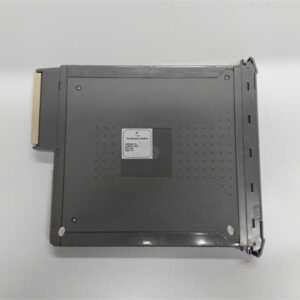
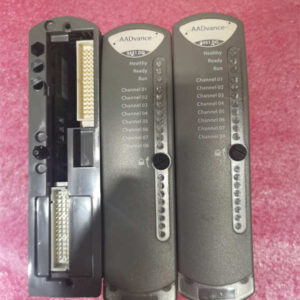
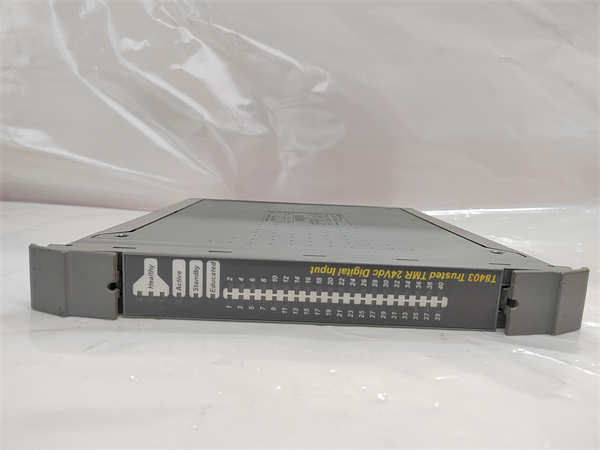
ICS Triplex T8403
Lifecycle Status and Migration Strategy
Rockwell Automation has fully discontinued the T8403 as part of the Trusted T8400 end-of-life strategy. No new modules are manufactured, and official spare parts pools are exhausted. Continued reliance depends entirely on surplus inventory, where units may have unknown operational history or hidden mechanical wear.
Interim Mitigation Measures:
- Source spares only from vendors who validate performance on a live T8400 system with actual load simulation
- Maintain at least one tested spare per critical SIF group
- Store spares in low-humidity, temperature-controlled environments to minimize capacitor and contact oxidation
Long-Term Migration Path:
The strategic upgrade path includes:
The strategic upgrade path includes:
- Triconex Trident platform (direct architectural successor with enhanced diagnostics and cybersecurity)
- Rockwell PlantPAx with GuardLogix 5580 (for integrated DCS/SIS environments)
Both require full revalidation of safety logic, I/O retermination, and operator training—but offer 15+ year support lifecycles and compliance with modern standards (IEC 62443, OPC UA).
Until migration is executed, proactive replacement of T8403 modules exceeding 10 years of service, combined with rigorous proof testing and spares validation, remains essential to ensure the final actuation link in your safety chain remains reliable and trustworthy.