 Tel:
Tel:  Email:
  WhatsApp:
 Description
Technical Specifications (For Spare Part Verification)
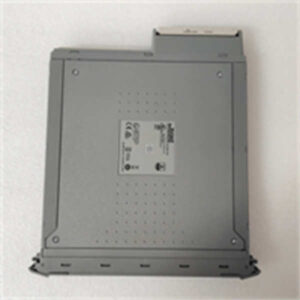
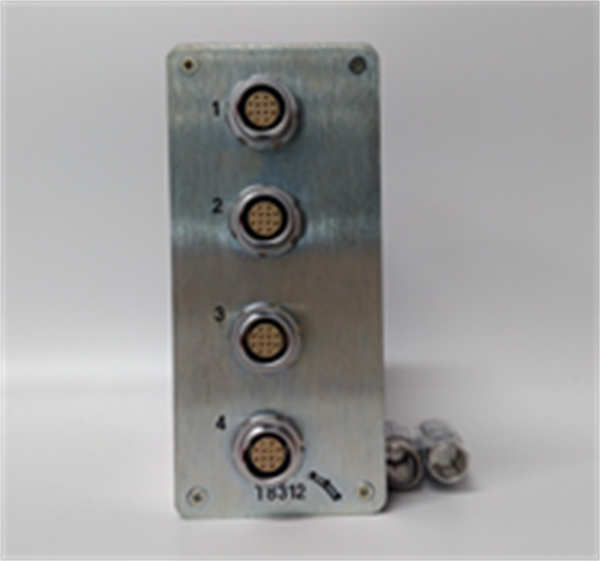
- Product Model: T8312-4
- Manufacturer: ICS Triplex (Schneider Electric)
- System Family: ICS Triplex TMR platform (e.g., T8300 series chassis, often used with Triconex legacy systems)
- Output Type: Digital (dry contact or sourced/sunk voltage, depending on configuration)
- Channels: Typically 8 or 16 isolated digital outputs (exact count per revision)
- Redundancy Architecture: Full TMR – three independent output paths per logical channel with hardware voting
- Diagnostic Coverage: >99% (per IEC 61508 functional safety certification)
- Mounting: Backplane-mounted in TMR rack (e.g., T8310 baseplate)
- Power: Supplied via system backplane; may require external loop power for field devices
- Certification: Compliant with IEC 61508 SIL 3, ANSI/ISA 84.01, and other international functional safety standards
System Role and Downtime Impact
The T8312-4 is a critical actuation interface in safety-critical process industries such as oil & gas, refining, and chemical manufacturing. It receives voted logic signals from the TMR controller and drives field devices that execute safety actions—such as closing emergency isolation valves or tripping compressors. Due to its role in final element control, failure of this module can prevent a safety function from executing during a hazardous event. While the TMR design tolerates single-channel faults, a complete module failure (e.g., from power surge, internal short, or connector damage) may disable one or more safety loops. In regulated environments, this could result in non-compliance with safety integrity requirements, forcing operational derating or mandated shutdown until the module is replaced and revalidated.
Reliability Analysis and Common Failure Modes
Despite its robust TMR architecture, the T8312-4 is susceptible to several aging-related failure mechanisms. The most common issues include contact wear or welding in relay-based variants (if equipped), degradation of opto-isolators due to thermal stress, and corrosion of backplane connector pins—particularly in high-sulfur or humid environments. Power supply transients on the backplane or field side can cause latch-up or permanent damage to output drivers. Additionally, improper field wiring (e.g., inductive loads without flyback diodes) may induce voltage spikes that degrade output circuits over time. Although comprehensive self-diagnostics detect many internal faults, latent failures—such as increased output resistance or delayed switching—may only be revealed during proof testing. Preventive maintenance should include: verifying output functionality during scheduled SIS proof tests, inspecting backplane connectors for oxidation or bent pins, ensuring proper fusing and surge suppression on field circuits, and storing spare modules in ESD-safe, dry conditions.
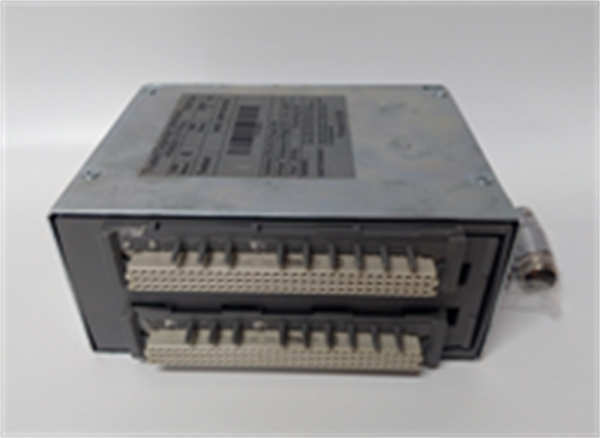
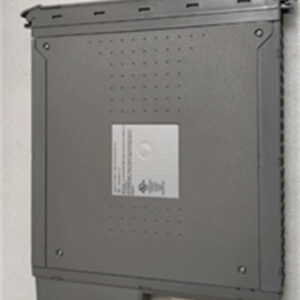
T8312-4 ICS TRIPLEX
Lifecycle Status and Migration Strategy
Schneider Electric has discontinued the T8312-4 as part of its consolidation of legacy ICS Triplex product lines. No new units are available through official channels, and technical support is limited to existing service contracts with diminishing scope. Continued operation with this module carries significant risk: authentic spares are nearly exhausted, counterfeit or untested units may lack proper safety validation, and compatibility issues may arise during recovery scenarios. As an interim measure, some operators use certified third-party services for board-level repair or functional recertification—but this requires full compliance verification against original SIL claims. For long-term resilience, Schneider recommends migrating to modern Triconex platforms such as Trident or Modicon M580 HSBY, which provide enhanced cybersecurity, remote diagnostics, and extended lifecycle support while maintaining high-availability or TMR architectures. Migration involves re-engineering output assignments, updating application logic in Tristation, replacing terminal blocks, and re-validating all safety loops to current IEC 61511 standards. Given the regulatory and safety implications, migration planning should begin immediately, ideally aligned with plant turnaround schedules to minimize operational disruption.