 Tel:
Tel:  Email:
  WhatsApp:
 Description
Key Technical Specifications (For Spare Part Verification)
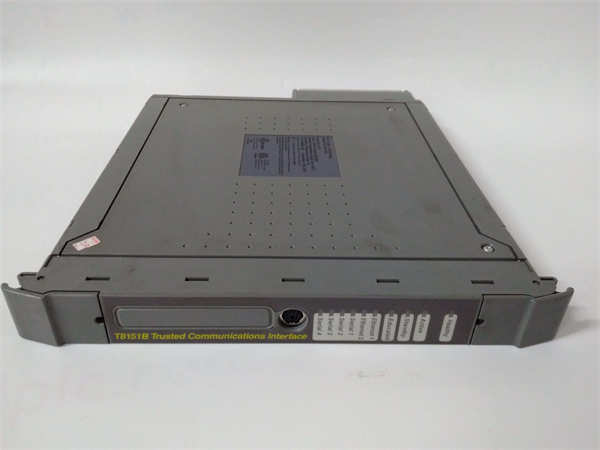
- Product Model: T8151B
- Manufacturer: ICS Triplex (Schneider Electric)
- System Family: Triconex Classic (TMR architecture)
- Module Type: Digital Input (DI), 32 channels
- Input Configuration: 32 single-ended inputs, grouped in three independent TMR sets (typically 10+10+12 per channel group)
- Input Voltage Range: 20–30 VDC nominal (ON); <5 VDC (OFF)
- Input Current: ~6.5 mA per channel at 24 VDC
- Isolation: Channel-to-channel and channel-to-backplane isolation via optical coupling
- Diagnostic Features: Continuous on-line diagnostics with fault detection per TMR leg
- Backplane Compatibility: Requires Triconex T83xx/T84xx chassis with standard I/O slot
- LED Indicators: Power OK, Module OK, and per-group status LEDs
- Firmware Dependency: Must be compatible with the system’s TriStation 1131 configuration version
-

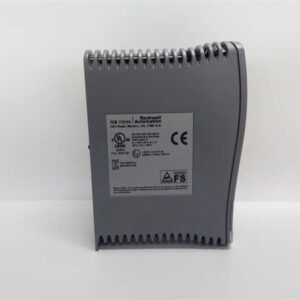
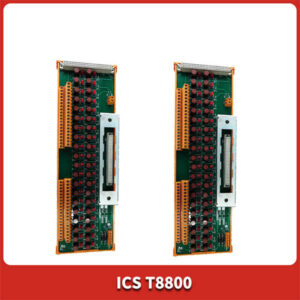
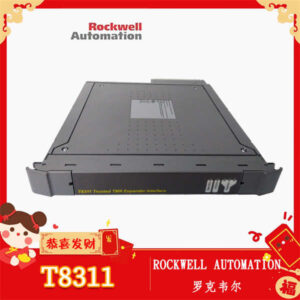
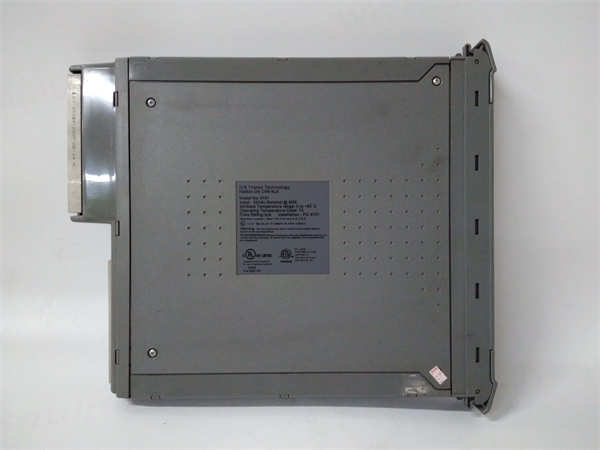
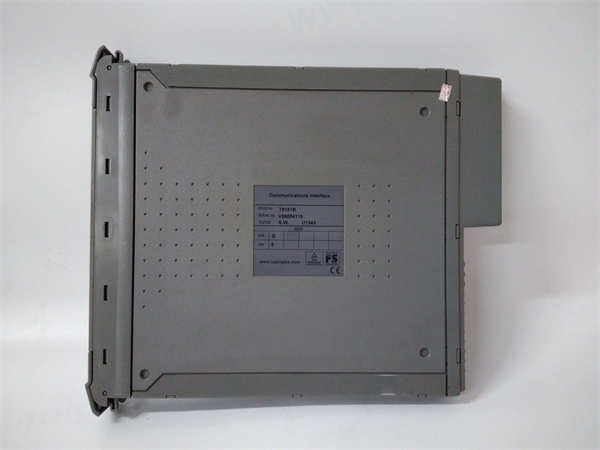
ICS Triplex T8151B
System Role and Downtime Impact
The T8151B is a foundational I/O module in legacy Triconex safety instrumented systems (SIS), widely used in high-hazard industries such as refining, petrochemicals, and LNG. It acquires binary status signals from field devices—such as emergency shutdown buttons, solenoid feedback, motor run status, and flame detectors—and delivers them to the triple-redundant main processors (e.g., T8403) for voted logic execution. Due to the TMR architecture, each physical input is read by three independent circuits; a single channel fault is masked by voting. However, if the entire T8151B module fails—due to power loss, backplane disconnection, or internal fault—all 32 inputs become invalid simultaneously. This can trigger a voting mismatch across all three legs, forcing the system into a safe state (e.g., full plant trip). In applications where these inputs feed critical interlocks (e.g., reactor high-pressure shutdown), loss of the T8151B directly compromises process safety integrity.
Reliability Analysis and Common Failure Modes
Despite its robust TMR design, the T8151B is now operating far beyond its intended service life, with several age-related failure mechanisms:
- Optocoupler degradation: The internal optoisolators experience LED luminosity decay over time, increasing propagation delay or causing missed transitions—especially under marginal input voltage conditions.
- Backplane connector corrosion: Oxidation on the DIN-style edge connector leads to intermittent contact resistance, manifesting as sporadic input dropouts that may not trigger module fault indicators.
- PCB trace delamination: Thermal cycling over decades can cause micro-cracks in copper traces near high-current paths, leading to open circuits or increased noise susceptibility.
- Power supply instability: Aging decoupling capacitors on the +5 VDC rail reduce noise filtering, potentially causing internal logic glitches during voltage sags.
- Field wiring-induced stress: Poor grounding or surge events on field cables can damage input clamping diodes, even with external protection.
Recommended preventive maintenance includes:
- Performing annual functional tests using a calibrated 24 VDC source on all channels
- Inspecting for discoloration, burnt components, or capacitor bulging on the PCB
- Cleaning backplane slots and verifying secure module seating
- Ensuring field wiring uses shielded, twisted-pair cables with single-point grounding
- Monitoring diagnostic logs in TriStation for early signs of input inconsistency
-
ICS Triplex T8151B
Lifecycle Status and Migration Strategy
Schneider Electric has discontinued the T8151B as part of the broader Triconex Classic obsolescence program. No new modules are manufactured, and official support is restricted to existing maintenance agreements. The recommended migration path is to Triconex eXtended Architecture (TXS) or Trident platforms, which offer modern I/O modules such as the MPD32 (32-channel digital input) with enhanced diagnostics, Ethernet engineering access, and compliance with current cybersecurity standards.
Short-term mitigation strategies include:
- Maintaining a calibrated spare T8151B with verified firmware compatibility
- Implementing external signal duplication for ultra-critical inputs (e.g., dual-channel ESD buttons)
- Avoiding hot insertion/removal to prevent backplane damage
Long-term, asset owners should conduct a formal SIS lifecycle review per IEC 61511 and develop a phased migration plan. A full upgrade involves:
- Replacing the chassis and all I/O modules
- Re-engineering the safety application in TriStation 1131 v5 or later
- Re-validating proof test procedures and SIL performance
Continued reliance on the T8151B without a structured obsolescence plan exposes facilities to escalating risks: diminishing spare availability, potential non-compliance with functional safety regulations, and increased vulnerability to undetected failures in mission-critical protection layers.