 Tel:
Tel:  Email:
  WhatsApp:
 Description
Technical Specifications (For Spare Parts Verification)
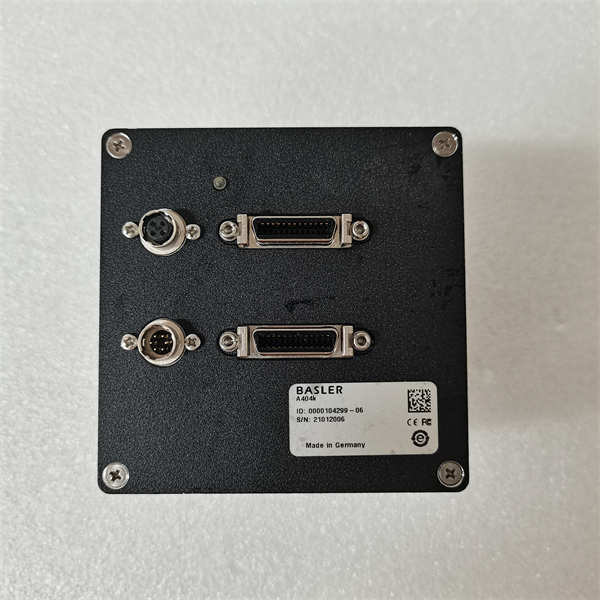
- Product Model: A404K
- Manufacturer: Basler Electric
- System Platform: Standalone excitation control for diesel/gas generator sets
- Input Voltage Range: Typically 90–132 VAC (sensing from generator stator or auxiliary winding)
- Output: Adjustable DC field current (via SCRs) to rotor excitation winding
- Regulation Accuracy: ±1% under steady-state conditions (when functional)
- Frequency Range: 50/60 Hz operation
- Protection Features: Includes over-excitation limit, loss-of-sensing detection, and manual backup mode
- Mounting: Panel-mount or DIN rail adapter (field-installed)
- Power Supply: Self-powered from generator output (no external DC required)
- Calibration: Manual potentiometers for voltage setpoint, stability, and droop adjustment
System Role and Downtime Impact
The BASLER A404K is a foundational component in older generator excitation systems, commonly found in industrial standby power, marine propulsion, and remote prime-power applications installed from the 1970s through the early 2000s. It continuously monitors generator output voltage and adjusts rotor field current via silicon-controlled rectifiers (SCRs) to maintain regulation. In islanded or weak-grid scenarios, its performance directly impacts power quality and system stability. If the A404K fails—due to component drift, SCR shorting, or sensing loss—the generator may experience severe overvoltage (risking connected equipment) or undervoltage (causing motor stalling or breaker tripping). In critical facilities like hospitals or data centers with legacy generators, such a failure could compromise emergency power availability.
Reliability Analysis and Common Failure Modes
After decades of service, the A404K is prone to several age-related failure mechanisms:
- SCR degradation: Repeated thermal cycling causes solder fatigue or semiconductor failure in the power section, leading to loss of field control or runaway excitation.
- Potentiometer drift: Calibration pots for voltage setpoint and stability develop intermittent contact or value shift due to oxidation, resulting in erratic voltage regulation.
- Capacitor aging: Electrolytic capacitors in the filtering and timing circuits dry out, causing instability, oscillation, or failure to start up.
- Loss-of-sensing vulnerability: The analog design lacks robust diagnostics; a broken sensing wire may not be detected, causing the AVR to drive full field current unintentionally.
Preventive maintenance should include annual functional testing under load (using a calibrated AC source), visual inspection for burnt components or bulging capacitors, cleaning of potentiometer shafts with contact enhancer, and verification of manual mode operation. Keeping a calibrated spare unit on-site is strongly recommended for critical generators.
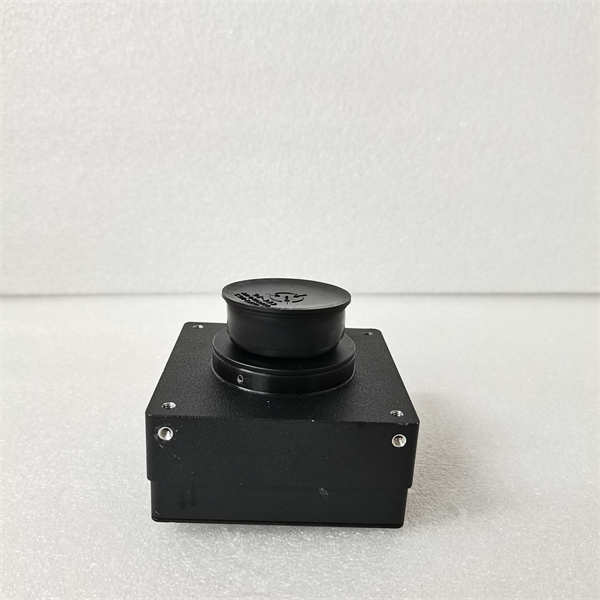
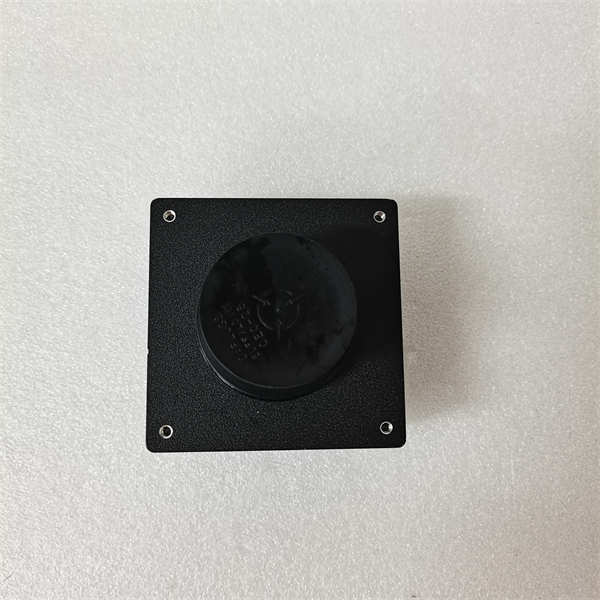
BASLER A404K
Lifecycle Status and Migration Strategy
Basler Electric has long since discontinued the A404K, replacing it with microprocessor-based regulators such as the DECS-100, DECS-150, or BE1-851 series. These modern AVRs offer digital precision, communication interfaces (Modbus, Ethernet), self-diagnostics, and adaptive tuning—features absent in the analog A404K. No factory repair or calibration services are available for the A404K.
Short-term mitigation includes:
- Sourcing and bench-testing a spare unit before failure occurs
- Implementing manual voltage monitoring during generator run tests
- Adding external overvoltage protection as a safety net
The recommended upgrade path is retrofitting with a DECS-100 or equivalent, which typically requires:
- Replacement of the AVR module and associated wiring harness
- Recalibration of voltage setpoint, droop, and protection thresholds
- Optional integration with SCADA via Modbus RTU
Given the safety-critical nature of voltage regulation, continuing to rely on an obsolete analog AVR poses increasing operational and compliance risk. A formal obsolescence review and staged replacement plan should be initiated for all generators still using the A404K.