 Tel:
Tel:  Email:
  WhatsApp:
 Description
Key Technical Specifications (For Spare Parts Verification)
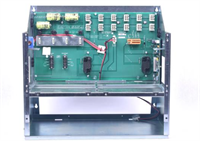
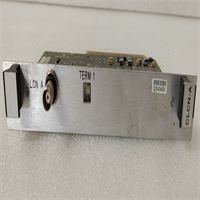
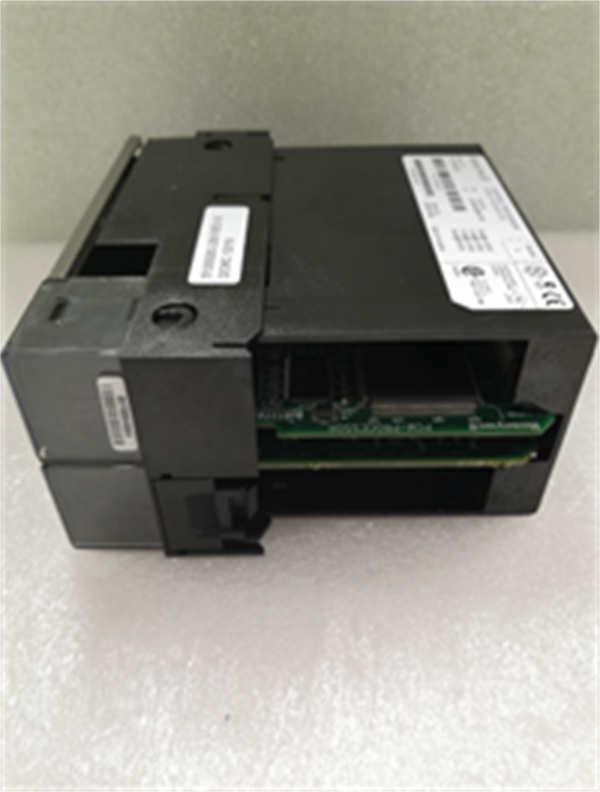
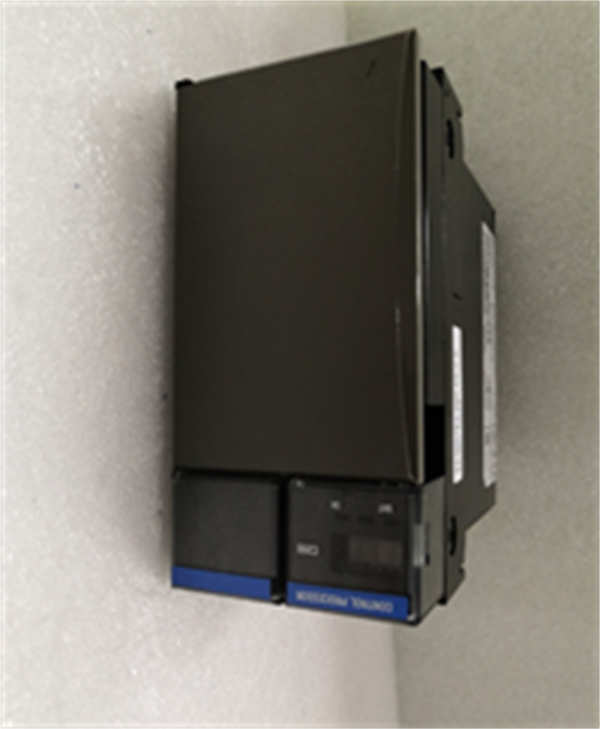
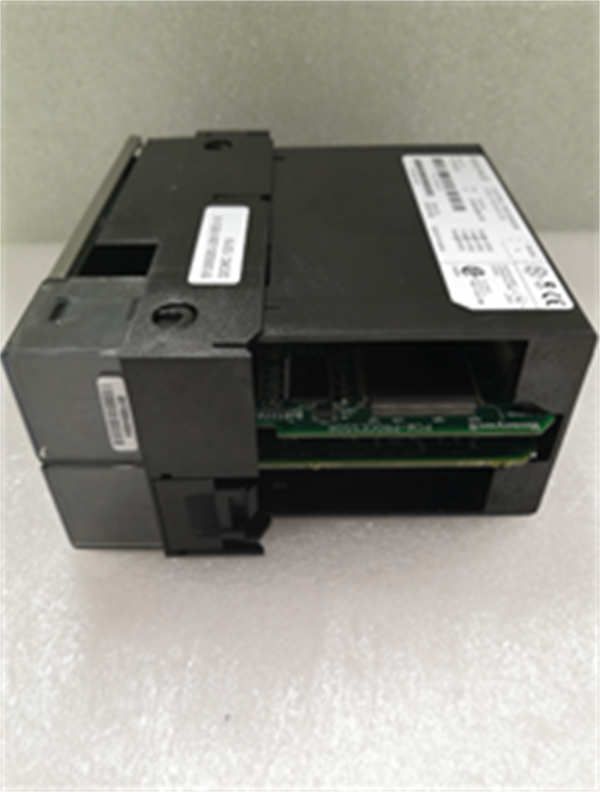
- Product Model: TK-PRS021
- Manufacturer: Honeywell
- System Family: Experion Process Knowledge System (PKS), C300 I/O architecture
- Output Voltage: 24 V DC (regulated)
- Output Current: 5.0 A continuous per channel (dual-channel redundant output)
- Input Voltage: 100–240 V AC, 50/60 Hz (auto-ranging)
- Redundancy Mode: Parallel, load-sharing with automatic failover
- Mounting: DIN rail (TS-35) in I/O or network cabinets
- Diagnostic Indicators: LEDs for POWER OK, FAULT, and REDUNDANCY STATUS
- Connector Type: Screw-terminal blocks for AC input and DC output
- Operating Temperature: 0°C to +60°C
- Compatibility: Used with FTE switches (e.g., TK-FTE series) and C300 I/O link modules requiring 24 V DC
System Role and Downtime Impact
The TK-PRS021 is a critical support component in Honeywell Experion PKS C300-based distributed control systems, commonly deployed in oil & gas, refining, and chemical plants. It powers the Fault-Tolerant Ethernet (FTE) network infrastructure—specifically the redundant network switches that interconnect C300 controllers, I/O link modules, and operator stations. In a properly configured system, two TK-PRS021 units operate in parallel to ensure continuous 24 V DC delivery even if one fails. If a single unit fails and is not replaced, the system loses power redundancy; if both fail (or the remaining unit fails), the FTE switch may reboot or shut down, causing temporary but potentially catastrophic loss of communication between controllers and I/O. This can trigger plant-wide alarms, force manual mode operation, or—in worst cases—initiate emergency shutdown sequences due to perceived controller failure.
Reliability Analysis and Common Failure Modes
Despite its industrial design, the TK-PRS021 is susceptible to age-related degradation after 10–15 years of service. The most common failure mode is electrolytic capacitor aging in the primary and secondary power stages, leading to increased output ripple, voltage droop under load, or complete shutdown. Second, thermal stress on switching components (MOSFETs, transformers) from prolonged high-temperature operation can cause intermittent output or thermal runaway. Third, terminal block corrosion or loosening—especially in humid or corrosive environments—can create high-resistance connections, resulting in overheating or voltage drop at the load.
A key vulnerability is its lack of remote monitoring: diagnostics are limited to local LEDs, so a degraded unit may go unnoticed until it fails under load. Additionally, the module relies on passive cooling; dust accumulation on heatsinks accelerates thermal wear.
For preventive maintenance, inspect output voltage under load using a calibrated multimeter—verify it remains within 24 V ±2%. Check for bulging or leaking capacitors during cabinet inspections. Tighten terminal screws to manufacturer torque specs. Clean ventilation paths and ensure ambient temperature stays below 50°C. Monitor FTE switch logs for unexpected reboots that may indicate upstream power instability.
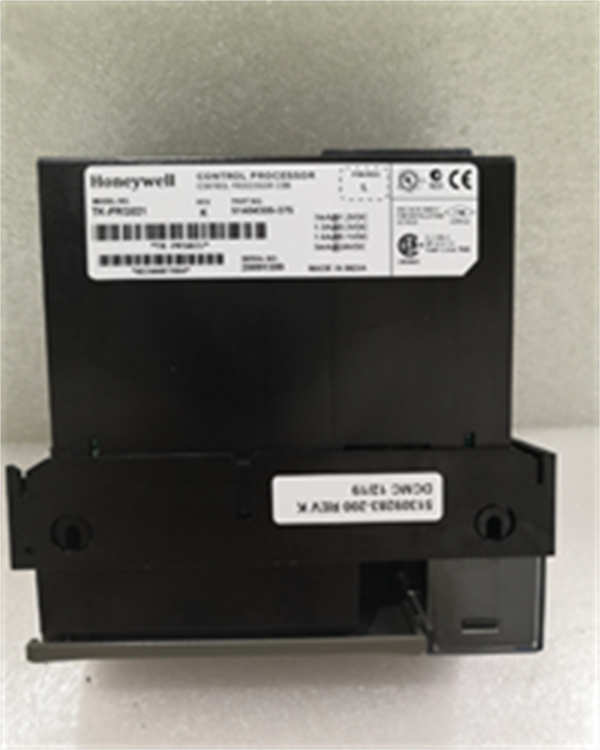
TK-PRS021 HONEYWELL
Lifecycle Status and Migration Strategy
Honeywell has officially discontinued the TK-PRS021 as part of the evolution of the Experion PKS platform toward newer power architectures in the C300 R400+ and LE/SM series. No new units are produced, and Honeywell no longer offers repair services or technical documentation updates for this module. Continued use depends entirely on existing inventory, which is increasingly scarce and subject to counterfeit risk.
As an interim measure, maintain at least one tested spare unit per critical FTE cabinet. Verify spares under full load before storage. Consider third-party refurbishment only from vendors who perform burn-in testing and capacitor replacement (“re-capping”).
For long-term sustainability, Honeywell’s strategic direction is to transition to modern redundant power supplies compatible with Experion R500+ or R600 systems, such as the TPS-24V5A-RD series, which offer remote health monitoring via Modbus or SNMP. However, direct replacement is not always feasible without upgrading the entire FTE switch or I/O infrastructure.
In many cases, the most practical path is to:
- Replace aging TK-PRS021 units with industrial-grade, certified redundant 24 V DC power supplies from reputable manufacturers (e.g., Weidmüller, Phoenix Contact, Mean Well) that meet the same electrical and mechanical specifications
- Ensure new supplies have identical output characteristics, terminal layout, and fault signaling compatibility
- Validate performance under worst-case load and temperature conditions before deployment
This approach preserves system functionality while mitigating obsolescence risk. Early engagement with a Honeywell-certified system integrator is recommended to assess compatibility and ensure compliance with safety and cybersecurity requirements during any hardware substitution.