 Tel:
Tel:  Email:
  WhatsApp:
 Description
Key Technical Specifications (For Spare Parts Verification)
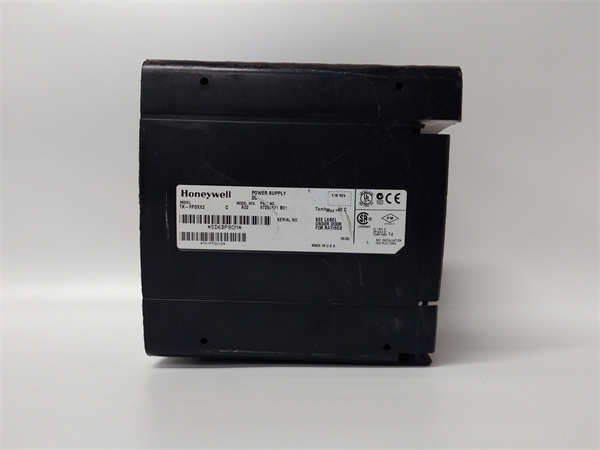
- Product Model: TK-FPDXX2
- Manufacturer: Honeywell
- System Family: TDC 3000 / TotalPlant Solution (TPS)
- Typical Part Number Range: 51403428-xxx (e.g., -175, -201)
- Display Type: Monochrome CRT or early flat-panel (depending on revision)
- Resolution: Typically 640×480 or lower
- Input Interface: Connects via LCN (Local Control Network) or dedicated TPS video/data cabling
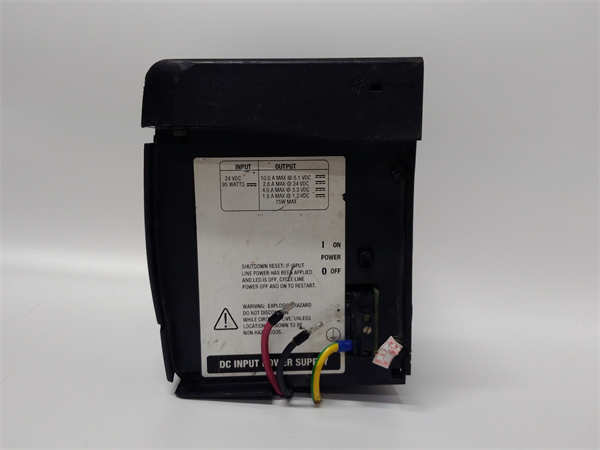
- Power Supply: 115/230 VAC, 50/60 Hz (external or internal PSU depending on version)
- Mounting: Designed for panel or console installation in industrial enclosures
- Environmental Rating: Industrial grade, but not rated for severe dust/moisture without enclosure
- Compatibility: Requires TPS GUS (General User Station) or direct LCN node configuration
System Role and Downtime Impact
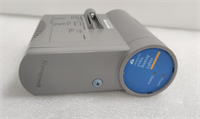
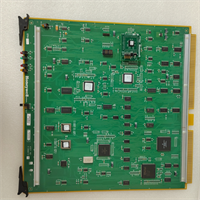
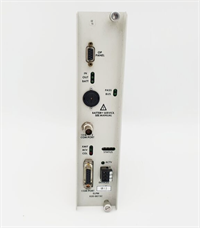
The TK-FPDXX2 functions as a localized operator workstation in TPS-based plants, commonly installed near compressors, pump skids, or remote process units. It displays real-time trends, alarm summaries, and mimic diagrams, allowing field operators to monitor and intervene without returning to the central control room. If this unit fails—due to display burnout, power supply fault, or LCN communication loss—operators lose situational awareness in that area. In safety-critical zones (e.g., flare systems or high-pressure gas handling), this can delay emergency responses, increase reliance on manual gauges, and potentially trigger broader operational degradations or regulatory non-compliance during audits. While not always causing immediate plant shutdown, its failure significantly elevates operational risk and reduces resilience.
Reliability Analysis and Common Failure Modes
Many TK-FPDXX2 units remain in service due to their original rugged construction and stable operating environments. However, after decades of operation, component aging is inevitable. The most frequent failure mode is CRT phosphor burn-in or complete tube failure in older versions, rendering the screen unreadable. In later flat-panel variants, backlight inverter failure or LCD driver board degradation leads to dim or blank displays. The internal switch-mode power supplies are prone to electrolytic capacitor drying, causing intermittent boot failures or voltage instability. A key design vulnerability is the lack of surge protection on AC input and LCN lines, making the unit susceptible to damage from power transients or ground loops.
Preventive maintenance should focus on visual inspection of display clarity and color uniformity. During outages, check for bulging capacitors on power boards and corrosion on LCN connectors. Ensure ventilation openings are clear to prevent thermal stress on internal electronics. For CRT-based units, avoid static images for extended periods to minimize burn-in. Given the age, maintaining a tested spare—even if stored—is strongly advised, as lead times for verified replacements can exceed months.
-

TK-FPDXX2 HONEYWELL
Lifecycle Status and Migration Strategy
Honeywell officially discontinued the TK-FPDXX2 series in the early 2000s, with end-of-support following shortly after. No direct replacement exists within current product lines. Continued use carries significant risk: spare parts are scarce, repair expertise is vanishing, and compatibility with modern cybersecurity or IT infrastructure is nonexistent.
Short-term mitigation includes sourcing tested used units from decommissioned sites or engaging specialized third-party repair vendors familiar with TPS hardware. However, these are temporary fixes. The only viable long-term solution is migration to a modern HMI platform. Honeywell’s strategic path is Experion PKS with Thin Client or Web-based HMI (e.g., Experion UX). This requires replacing the entire TPS front-end, rehosting graphics, and reconfiguring user access—but delivers enhanced reliability, remote access, and compliance with current standards. For facilities with multiple FPD units, a consolidation strategy (replacing several local FPUs with a single ruggedized tablet or panel PC running Experion Mobile) may reduce lifecycle costs. Planning should account for engineering effort, validation, and operator retraining. Delaying migration increases exposure to unplanned downtime and escalating spare parts costs.