 Tel:
Tel:  Email:
  WhatsApp:
 Description
Key Technical Specifications (For Spare Verification)
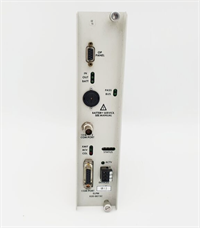
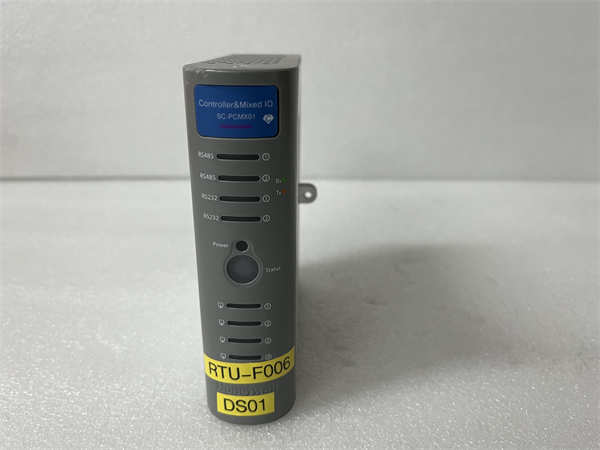
- Product Model: SC-PCMX01
- Manufacturer Part Number: 51307195-175
- Manufacturer: HONEYWELL
- System Family: TDC 3000 (Total Distributed Control)
- Module Type: Station Control Module (SCM) Communication Processor
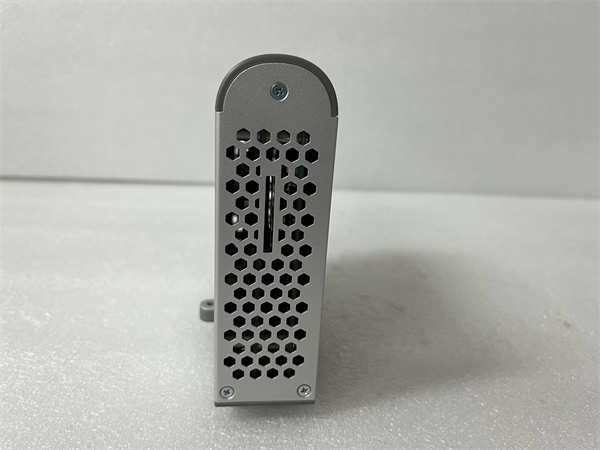
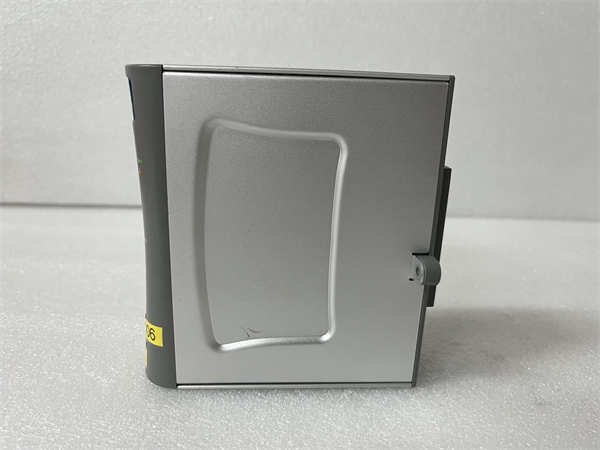
- Form Factor: Plug-in card for TDC 3000 chassis (typically mounted in LCN/UCN node cabinets)
- Communication Interfaces: Dual redundant UCN (Universal Control Network) ports, LCN (Local Control Network) interface
- Protocol Support: Proprietary Honeywell TDC 3000 network protocols (UCN/LCN)
- Redundancy: Supports hot-standby configuration in critical applications
- Diagnostic Indicators: Status LEDs for power, activity, and fault conditions
- Power Supply: Powered via backplane from TDC 3000 chassis
- Operating Environment: Designed for industrial control room conditions (typically 0–50°C)
System Role and Downtime Impact
The SC-PCMX01 is a core communication module in the Honeywell TDC 3000 system, widely deployed in oil & gas, refining, and chemical plants from the 1980s through early 2000s. It functions as the bridge between the high-level LCN (which connects HMIs and application modules) and the UCN (which links to process controllers and I/O). In many configurations, it is integral to the operation of Process Managers (PMs) or Application Modules (AMs).
Failure of this module—especially in non-redundant installations—can sever communication between operator consoles and field devices, resulting in “data blackout” for affected process units. While safety shutdown systems may remain functional if physically separate, regulatory control and alarm annunciation are typically lost, forcing operators into manual monitoring or initiating a controlled shutdown. Replacement requires system access during planned outages, and incorrect firmware or revision can prevent network synchronization, prolonging recovery.
Reliability Analysis and Common Failure Modes
As a product of its era, the SC-PCMX01 relies on discrete logic ICs, SRAM with battery backup, and custom ASICs. Common failure mechanisms include:
- Battery depletion in the SRAM circuit, leading to configuration loss or boot failure
- Degradation of electrolytic capacitors on the power regulation section, causing intermittent resets or voltage instability
- Corrosion or oxidation on edge connector fingers due to humidity or sulfur exposure in industrial environments
- Firmware corruption from power cycling without proper shutdown procedures
A key vulnerability is its dependence on stable, clean DC power from the TDC 3000 chassis; voltage sags or noise can trigger unrecoverable faults. Additionally, the module lacks modern self-diagnostics, so failures are often only detected after communication loss occurs.
Preventive maintenance should include: periodic verification of backup battery voltage (typically lithium coin cell or NiCd pack), inspection of PCB for capacitor leakage or discoloration, cleaning of edge connectors with contact enhancer, and validation of redundant unit switchover during scheduled tests.
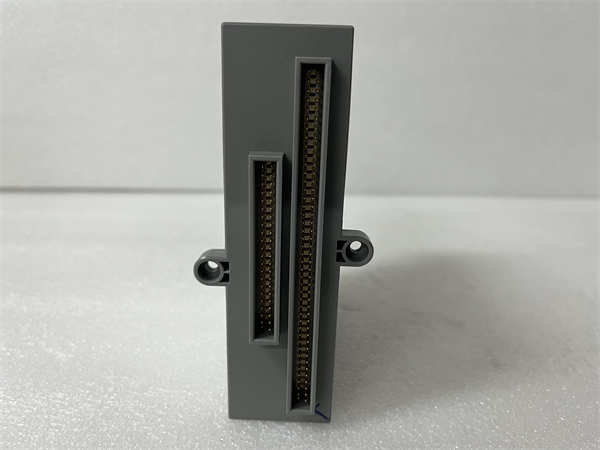
HONEYWELL SC-PCMX01 51307195-175
Lifecycle Status and Migration Strategy
Honeywell officially discontinued the TDC 3000 platform decades ago, with the SC-PCMX01 long out of production. No factory repair or replacement services exist. Continuing to operate on this hardware carries substantial risk: authentic spares are nearly exhausted, pricing is highly volatile, and untested units may have latent faults or incompatible firmware revisions.
As a temporary measure, only modules with verified part number (51307195-175), intact labeling, and full functional testing—including successful integration into a live TDC 3000 network and stable data polling—should be considered. Testing must confirm compatibility with existing UCN node addresses and firmware levels.
Honeywell’s strategic migration path is a full transition to Experion PKS, which replaces the proprietary TDC 3000 architecture with an open, Ethernet-based system compliant with modern cybersecurity standards. This involves:
- Replacing all TDC 3000 controllers, I/O, and communication modules
- Migrating control logic using Honeywell’s conversion tools (partial auto-translation available)
- Retaining field wiring via I/O marshaling or remote I/O gateways
For facilities not ready for full replacement, third-party solutions such as OPC DA/UA gateways can extract data from surviving TDC 3000 nodes for integration into modern historians or dashboards—but they do not address control obsolescence. Until migration is complete, maintaining at least one verified SC-PCMX01 spare per critical TDC 3000 node is essential to support emergency recovery and regulatory compliance.