 Tel:
Tel:  Email:
  WhatsApp:
 Description
Key Technical Specifications (for Spare Parts Verification)
-
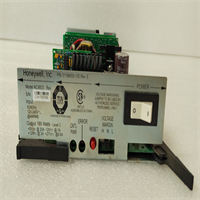
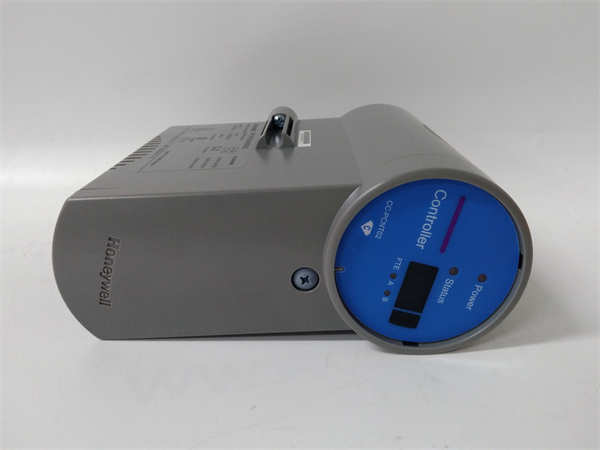
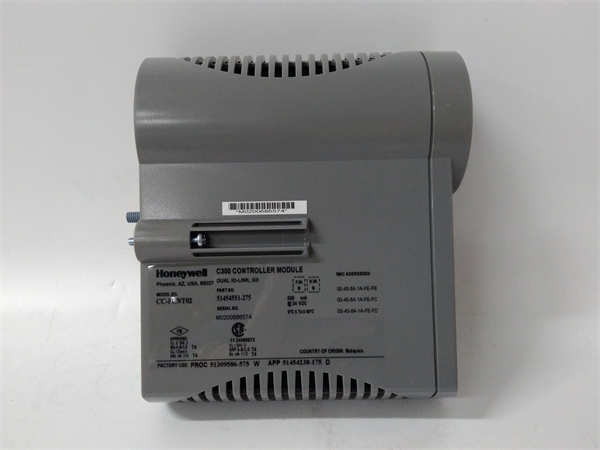
- Product Model: CC-PCNT02
- Manufacturer: Honeywell
- System Family: TDC 3000 / Total Distributed Control System
- Part Number: 51454551-275
- Function: PCN Terminal (Plant Control Network interface)
- Mounting: Backplane-mounted in TDC 3000 I/O or controller chassis
- Communication: Proprietary Honeywell LCN/PCN protocol over coaxial or twisted-pair plant network
- Power Requirement: Supplied via TDC 3000 backplane (+5 V, ±12 V)
- LED Indicators: Network activity, power status, fault indication
- Physical Interface: Dual redundant PCN ports (typically BNC or DB9 depending on revision)
- Firmware Dependency: Requires matching firmware version with TDC 3000 NIM or HPM modules
-

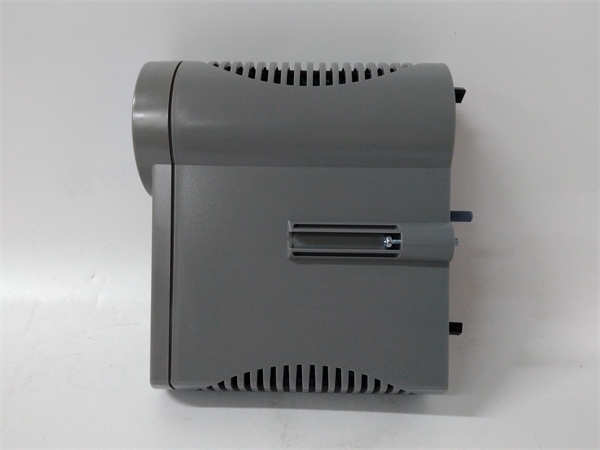
CC-PCNT02 51454551-275 HONEYWELL
System Role and Downtime Impact
The CC-PCNT02 serves as a critical communication node within the TDC 3000 architecture, enabling data exchange between high-performance controllers (HPMs) and operator consoles, engineering stations, or historical data servers over the Plant Control Network. It is typically installed in I/O clusters or network interface modules (NIMs). Failure of this module disrupts real-time data flow to operator interfaces and can isolate control processors from supervisory systems. In many legacy installations, especially in refining, chemical, or power generation, loss of PCN connectivity results in partial or full loss of visibility and control—potentially triggering emergency shutdown procedures or forcing manual operation. Given its role in network integrity, unscheduled failure often leads to significant production downtime until a verified replacement is sourced and installed.
Reliability Analysis and Common Failure Modes
Despite being solid-state, the CC-PCNT02 is susceptible to age-related degradation due to its deployment era (1980s–1990s). The most frequent failure mode involves electrolytic capacitors drying out or leaking, leading to unstable power regulation and intermittent communication faults. Additionally, the module’s reliance on early-generation ASICs and surface-mount components makes it vulnerable to thermal stress from prolonged operation in inadequately cooled cabinets. A known design weakness is the sensitivity of its PCN transceiver circuitry to ground loops or voltage surges on the plant network—especially in facilities where grounding practices have degraded over time. For preventive maintenance, technicians should prioritize visual inspection for capacitor bulging or PCB discoloration, clean dust from ventilation paths near adjacent modules, verify stable backplane voltages, and monitor for CRC errors or link flapping in network diagnostics logs. Keeping spare units powered periodically (via a test chassis) can also mitigate “shelf failure” due to component aging.
-
CC-PCNT02 51454551-275 HONEYWELL
Lifecycle Status and Migration Strategy
Honeywell officially discontinued the CC-PCNT02 as part of the broader TDC 3000 end-of-life program, with no direct replacement offered within the original platform. Continued use carries substantial risk: spare parts are available only through third-party brokers or decommissioned sites, often at premium costs and without warranty. Technical support from Honeywell is limited to paid legacy contracts, and firmware or configuration tools may be incompatible with modern operating systems. As a temporary measure, facilities may maintain a pool of tested spares, engage specialized firms for board-level repair, or implement network isolation to reduce electrical stress on existing modules. However, the recommended long-term strategy is migration to Honeywell’s Experion® PKS platform. This typically involves a phased approach—starting with NIM emulation or using Experion’s TDC 3000 I/O migration kits—which preserves field wiring while replacing obsolete electronics. Although migration requires reconfiguration and validation, it restores access to current cybersecurity standards, vendor support, and spare parts availability, ultimately reducing operational risk.