 Tel:
Tel:  Email:
  WhatsApp:
 Description
Technical Specifications (For Spare Part Verification)
- Product Model: H41q-HS
- Manufacturer: HIMA
- System Family: HIMax (original generation)
- Part Number: B4237-1
- Architecture: Dual-channel, 1oo2D (one-out-of-two with diagnostics) fail-safe design
- Processor Type: Proprietary safety microprocessor with hardware-based comparison
- Memory: Fixed program and data memory (non-volatile, battery-backed SRAM for configuration)
- Redundancy Support: Hot-standby or synchronous redundancy via dual-slot chassis
- Backplane Interface: Proprietary HIMax bus for I/O and power communication
- Diagnostic Coverage: >99% for internal faults (per IEC 61508)
- Safety Certification: Certified per IEC 61508 up to SIL 3
- Operating Temperature: 0°C to +60°C
- LED Indicators: RUN, STOP, OK, FAULT, REDUNDANCY STATUS
System Role and Downtime Impact
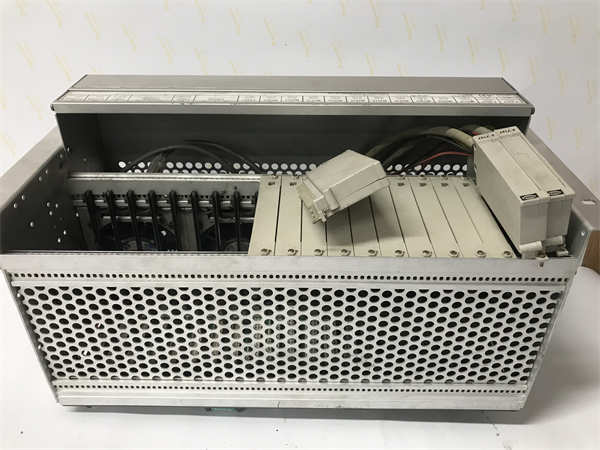
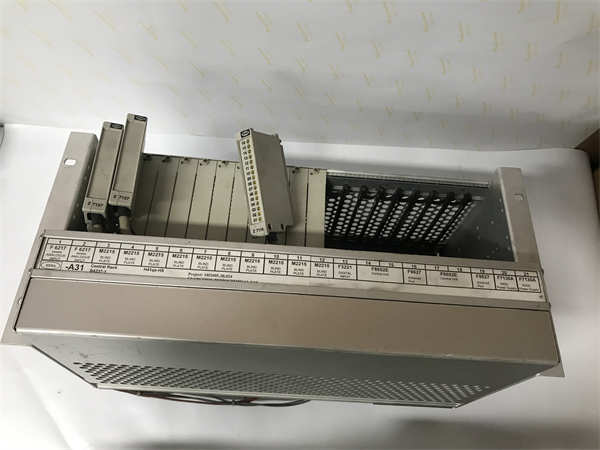
The HIMA H41q-HS is the central logic solver in legacy HIMax-based safety instrumented systems, widely deployed in refineries, chemical plants, and offshore platforms. It continuously evaluates inputs from field sensors (via DI/AI modules), executes pre-programmed safety logic, and commands final elements (via DO/AO modules) to bring the process to a safe state during hazardous events. As the core of the SIS, its integrity is non-negotiable for regulatory compliance (e.g., IEC 61511, OSHA PSM). If this CPU fails—due to memory corruption, processor fault, or power anomaly—the entire safety system becomes inoperative. In redundant setups, switchover may occur seamlessly, but in simplex configurations (common in smaller applications), failure leads to immediate loss of automatic protection. Recovery without a verified spare can take weeks, during which the facility operates under manual override—a condition often prohibited by corporate safety policies and insurance requirements.
Reliability Analysis and Common Failure Modes
Despite its robust dual-channel architecture, the H41q-HS is vulnerable to age-related failures after 12–18 years of service. The most critical failure mode involves degradation of the battery-backed SRAM, which stores the application configuration and safety parameters. Battery depletion (typically after 5–7 years, though often overlooked) leads to configuration loss on power cycle, rendering the system inoperable. Additionally, electrolytic capacitors on the power regulation circuitry can dry out, causing voltage instability and spontaneous reboots. The proprietary processor modules may also suffer from latent solder joint fatigue due to thermal cycling, resulting in intermittent communication with the backplane.
Key design limitations include:
- No field firmware updates—units are factory-programmed with fixed logic engine
- Battery replacement requires full system shutdown and revalidation
- Sensitive to rapid power cycling; repeated brownouts accelerate memory wear
Preventive maintenance recommendations:
- Replace backup battery every 4–5 years, even if voltage appears normal
- Perform annual functional proof tests with full logic coverage (not just I/O loop checks)
- Monitor CPU diagnostic LEDs for subtle fault indications (e.g., intermittent OK flicker)
- Store spares powered periodically (every 6 months) to maintain capacitor health and battery charge
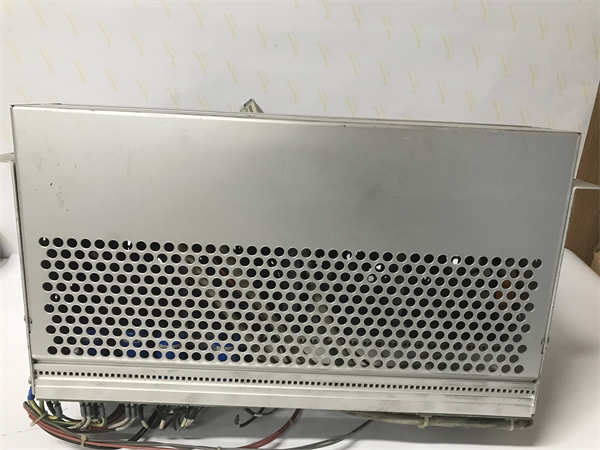
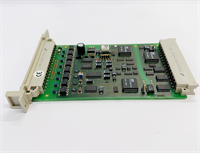
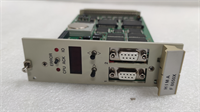
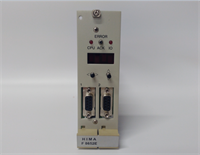
HIMA H41q-HS B4237-1
Lifecycle Status and Migration Strategy
HIMA has officially discontinued the H41q-HS as part of the end-of-life plan for the original HIMax platform. Manufacturing ceased over a decade ago, and technical support—including configuration software licensing and calibration services—is no longer available. Continuing to operate on this hardware introduces unacceptable risk: inability to recover from failure, lack of audit-compliant documentation, and potential non-conformance during regulatory inspections.
As a temporary mitigation, facilities may:
- Secure at least one fully tested spare with verified configuration retention
- Implement external watchdog relays to detect CPU halt conditions
- Avoid unnecessary power interruptions to preserve memory integrity
For sustainable operation, HIMA mandates migration to the HIMax X platform. The equivalent controller is the H-XC10 (or H-XC20 for higher capacity), which provides:
- Modern multi-core safety processors with enhanced diagnostic depth
- Native OPC UA, PROFINET, and cybersecurity features (IEC 62443 compliant)
- Guaranteed hardware availability and support through 2035+
Migration entails:
- Replacing the entire HIMax rack with a HIMax X chassis and CPUs
- Recompiling safety logic in PASconfig (HIMA’s current engineering tool)
- Revalidating all SIFs, including proof test procedures and performance metrics
This upgrade not only eliminates obsolescence risk but also restores full diagnostic transparency, ensuring continued alignment with functional safety standards and operational reliability expectations in high-hazard industries.