 Tel:
Tel:  Email:
  WhatsApp:
 Description
Technical Specifications (For Spare Parts Verification)
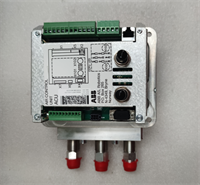
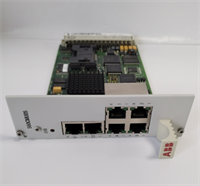
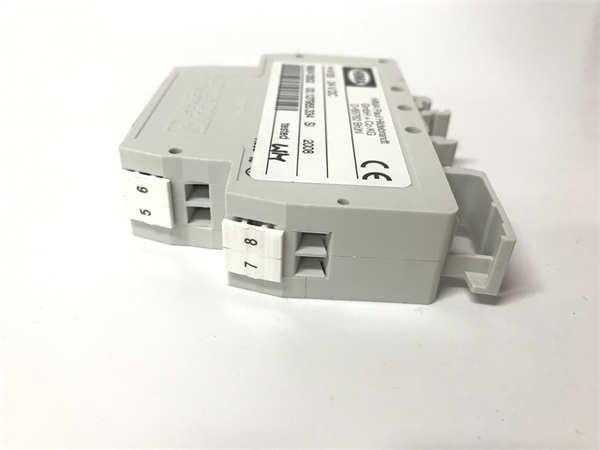
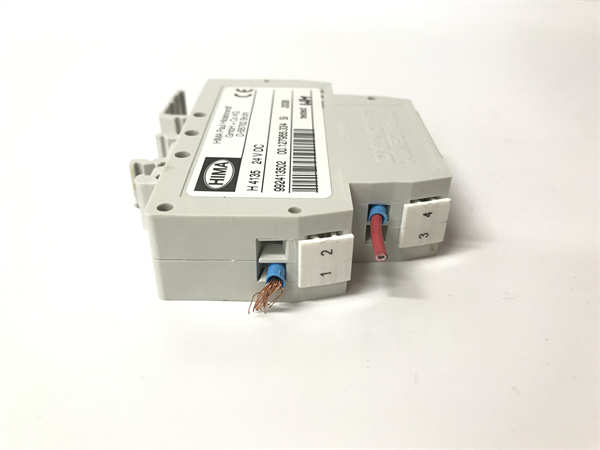
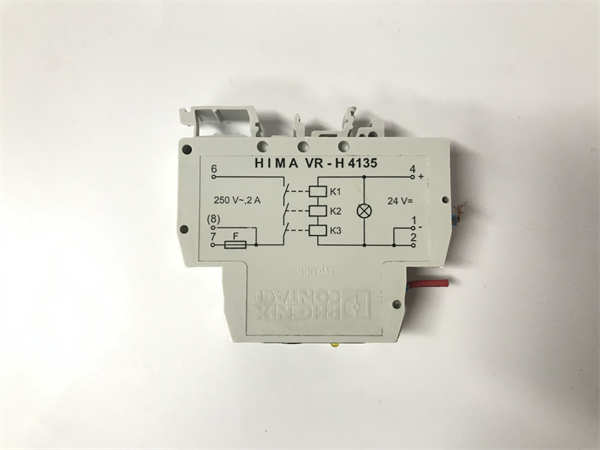
- Product Model: H4135 992413502
- Manufacturer: HIMA Paul Hildebrandt GmbH + Co KG
- System Family: HIMax (Classic generation, pre-HIMax X series)
- Function: Redundant failsafe CPU module (typically used in 1oo2 or 2oo3 configurations)
- Safety Certification: IEC 61508 SIL 3, EN 5012x (rail), API RP 14C (oil & gas)
- Backplane Interface: Proprietary HIMA bus (H-Bus), requires specific slot assignment
- Diagnostic Coverage: >99% per channel, with continuous self-test during operation
- Memory Type: SRAM with battery-backed configuration storage
- Power Consumption: Approx. 8 W (varies with load and redundancy mode)
- Physical Form Factor: 4U height, standard rack-mount module with front LED status indicators
System Role and Downtime Impact
The HIMA H4135 992413502 serves as the central processing unit in legacy HIMax safety systems deployed across oil & gas, chemical, and power generation facilities. It executes the safety logic programmed in PAScal or ELOP II and continuously monitors field I/O via redundant communication channels. In a typical 2oo3 (two-out-of-three) architecture, loss of one CPU may allow degraded operation, but failure of a second CPU—or a single CPU in a 1oo2 setup—triggers a full safety shutdown. This can lead to unplanned plant trips, production losses exceeding hundreds of thousands of dollars per hour, and potential safety incidents if bypassed improperly. Its role is not merely functional but foundational to process safety integrity.
Reliability Analysis and Common Failure Modes
Despite its robust design for harsh industrial environments, the H4135 992413502 exhibits age-related vulnerabilities common to electronics from its era (early-to-mid 2000s). The most frequent failure mode involves degradation of the onboard lithium backup battery, which preserves configuration memory during power loss. Battery depletion—often after 7–10 years of service—can cause program corruption or boot failure upon restart. Additionally, electrolytic capacitors on the power regulation circuitry are prone to drying out over time, leading to voltage instability and intermittent crashes.
A key design weakness is the reliance on volatile SRAM for logic storage, making the module critically dependent on battery health. Furthermore, the module’s RS-232 diagnostic port and H-Bus transceivers are susceptible to damage from ground loops or ESD events, especially in plants with aging grounding infrastructure. For maintenance teams, proactive actions include: quarterly verification of battery voltage (>2.8 V DC), visual inspection for capacitor bulging or leakage, cleaning of backplane connectors to prevent contact resistance, and maintaining at least one tested spare in climate-controlled storage.
HIMA H4135 992413502
Lifecycle Status and Migration Strategy
HIMA officially discontinued the H4135 series as part of the transition to the HIMax X platform. No new units are manufactured, and original spares are exhausted. Continued operation carries high risk: scarcity drives up costs, counterfeit parts have appeared in gray markets, and HIMA no longer provides firmware support or repair services for this generation.
As a temporary measure, some operators maintain operational continuity through third-party board-level repair services or strategic stockpiling of verified working units. However, these are stopgap solutions with inherent reliability uncertainty.
The manufacturer-recommended migration path is a full upgrade to the HIMax X system, using modern CPUs such as the H51q or H51r series. This transition requires re-engineering of the safety application (typically using the newer PASmira engineering tool), replacement of backplanes and I/O modules, and re-validation of the entire SIS to current standards. While capital-intensive, this approach restores access to technical support, extends system life by 15+ years, and enhances cybersecurity and diagnostics capabilities—making it the only sustainable long-term strategy for asset owners relying on this obsolete controller.