 Tel:
Tel:  Email:
  WhatsApp:
 Description
Key Technical Specifications (For Spare Parts Verification)
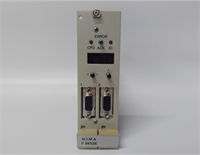
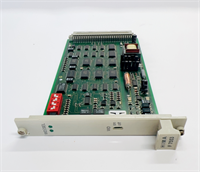
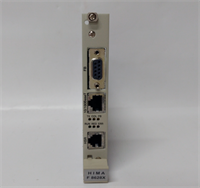
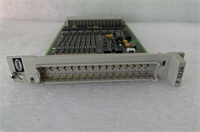
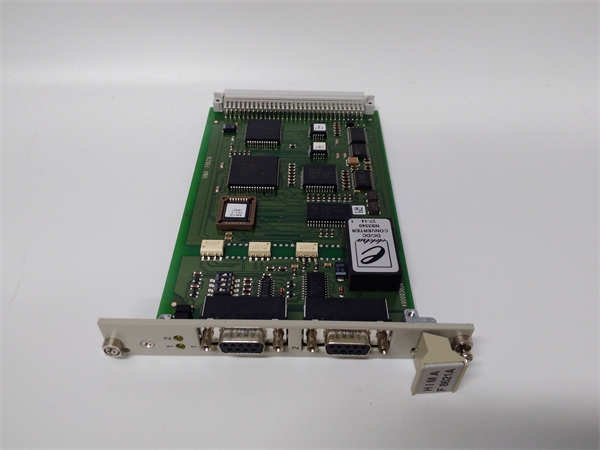
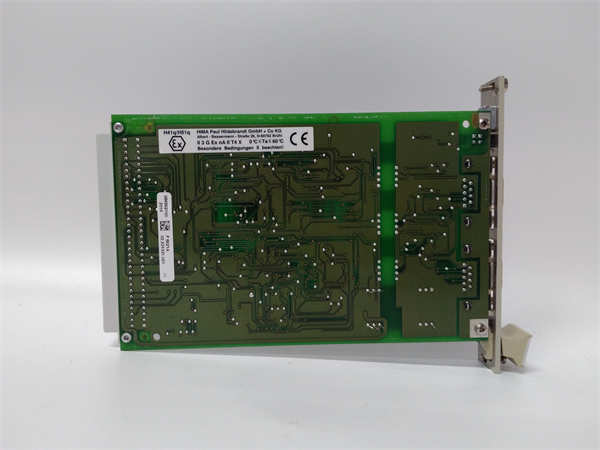
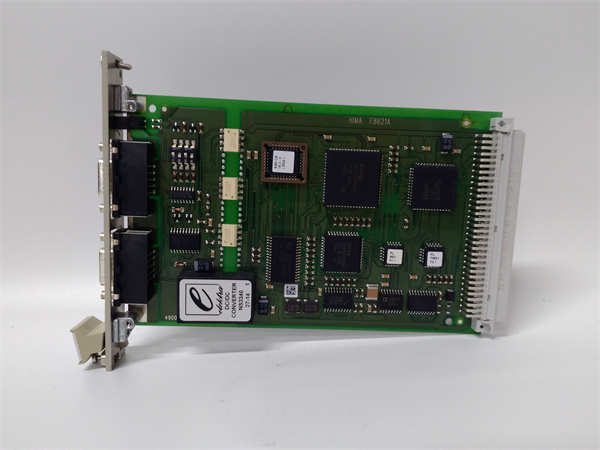
- Product Model: F8621A
- Manufacturer: HIMA
- System Platform: HIMA H41q Safety Controller
- I/O Type: Digital Input (Dry Contact / Wet Contact, 24 VDC)
- Number of Channels: 16 (grouped in 2 banks of 8)
- Input Voltage: 24 VDC nominal (compatible with wetted or dry contact sources)
- Diagnostic Coverage: Open-circuit and short-circuit detection per channel
- Redundancy Architecture: Dual-channel internal design with cross-monitoring (1oo2D)
- Safety Certification: IEC 61508 SIL3, EN 954-1 Category 4
- Mounting: Plug-in module for H41q chassis (requires specific terminal base, e.g., FB8621)
- LED Indicators: Per-channel status and module fault LEDs
-

HIMA F8621A
System Role and Downtime Impact
The F8621A is typically deployed in safety instrumented functions (SIFs) such as emergency shutdown (ESD), fire & gas detection, or critical valve position monitoring. It interfaces directly with field devices like limit switches, pressure switches, or manual trip buttons. If the module fails—due to internal circuit degradation or loss of diagnostic capability—it may either fail to detect a real hazardous condition (leading to unmitigated risk) or generate a false trip signal (causing an unplanned plant shutdown). In continuous processes such as LNG terminals or chemical reactors, a single spurious trip can result in millions of dollars in lost production and restart costs. Because the H41q system lacks modern remote diagnostics, failure identification often requires physical inspection, prolonging troubleshooting time.
Reliability Analysis and Common Failure Modes
Although built to high safety standards, most F8621A modules have now exceeded their recommended service life of 15–20 years. Age-related component wear is the primary reliability concern.
Common failure modes include:
- Optocoupler degradation: Input isolation components lose transfer efficiency over time, leading to missed signal transitions or erratic readings.
- PCB trace corrosion: Moisture ingress or sulfur contamination in harsh environments causes high-resistance paths, especially around terminal connections.
- Internal fuse or current-limiting resistor drift: Alters input threshold levels, causing compatibility issues with newer field devices.
- LED indicator burnout: While not functionally critical, loss of visual status hinders local diagnostics during maintenance rounds.
Design weaknesses include:
- Limited self-diagnostics compared to newer H51q modules—no detailed event logging or input health trending;
- Dependence on external terminal bases that are equally obsolete, complicating full spare assembly;
- No hot-swap capability—module replacement requires system power-down or safe state entry.
Preventive maintenance recommendations:
- Perform annual loop testing using calibrated signal injectors to verify pickup thresholds and diagnostic response;
- Inspect terminal blocks and backplane connectors for oxidation or mechanical wear;
- Maintain environmental controls (humidity < 60%, temperature < 40°C) in the control cabinet;
- Keep at least one fully tested spare module per critical SIF, stored in static-safe packaging.
-
HIMA F8621A
Lifecycle Status and Migration Strategy
HIMA officially discontinued the H41q platform, including the F8621A, in favor of the H51q and H61q systems, which offer enhanced diagnostics, higher channel density, and native Ethernet connectivity. The company no longer provides new modules, firmware updates, or calibration certificates for the F8621A. Continued use exposes facilities to compliance risks under IEC 61511, which recommends periodic reassessment of obsolete safety components.
Interim mitigation options include:
- Sourcing only from vendors who provide full functional test reports against original HIMA specifications;
- Implementing external relay-based signal duplication for ultra-critical inputs to add redundancy outside the module;
- Using third-party board-level repair services for capacitor or optocoupler replacement (though long-term reliability remains uncertain).
HIMA’s recommended migration path is a hardware and software upgrade to the H51q or H61q platform. This involves:
- Replacing the controller chassis and I/O modules;
- Reusing existing field wiring where compatible (via adapter terminal bases);
- Converting application logic using HIMA’s migration tools, which preserve safety function integrity while enabling modern features like OPC UA and cybersecurity hardening.
For sites with multiple H41q systems, a phased migration aligned with turnaround schedules is the most cost-effective approach. Until then, rigorous spare management and enhanced monitoring are essential to mitigate the growing risk of obsolescence-driven failures.