 Tel:
Tel:  Email:
  WhatsApp:
 Description
Technical Specifications (For Spare Part Verification)
- Model: F7553
- Manufacturer: HIMA Paul Hildebrandt GmbH
- System Family: HIMA H51q Programmable Electronic Safety System (PES)
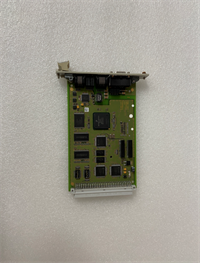
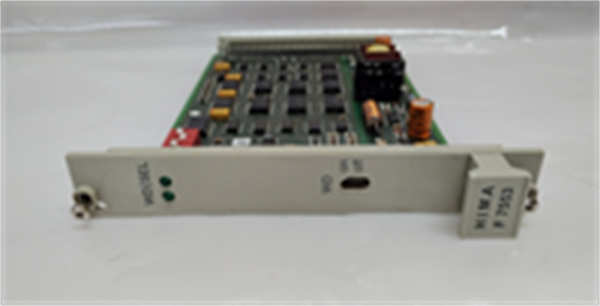
- Module Type: I/O Carrier / Base Module with Integrated Bus Communication
- Compatible I/O Modules: F6217 (DI), F6227 (DO), F6237 (AI), F6247 (AO), and other H51q I/O series
- Backplane Interface: Proprietary HIMA H-bus for data exchange with central processing units (e.g., F7131/F7132)
- Power Supply: +5 V and ±15 V DC via redundant backplane connectors
- Redundancy Support: Designed for 1oo2D or 2oo3 voting architectures within H51q chassis
- Diagnostic Features: LED indicators for power, module presence, and communication status
- Mechanical Format: 3U Eurocard form factor, mounted in H51q rack with guided insertion
System Role and Downtime Impact
The HIMA F7553 is not a field device—it is the foundational carrier board within the H51q safety controller chassis. Each F7553 hosts up to eight safety-rated I/O modules and serves as their sole electrical and data conduit to the central logic solvers. In a certified SIL3 application—such as emergency shutdown (ESD) in oil & gas, boiler protection in power plants, or reactor interlock in chemical facilities—a failure of the F7553 results in complete loss of all connected safety inputs and outputs. This typically forces the safety system into a fail-safe state, triggering a full plant or unit trip. Because the H51q architecture often implements de-energize-to-trip logic, such a fault cannot be bypassed without violating functional safety integrity, making the F7553 a single point of failure with direct operational and safety consequences.
Reliability Analysis and Common Failure Modes
Although built to industrial standards, the F7553—like many early-2000s safety components—is susceptible to long-term reliability degradation. The most common failure mode involves intermittent or complete loss of backplane communication due to cracked solder joints on high-pin-count connectors, exacerbated by thermal cycling over decades of operation. Another frequent issue is power rail instability caused by aging tantalum capacitors on the carrier’s local regulation circuit, leading to undervoltage resets or erratic I/O behavior. The module itself contains no active logic, but its passive integrity is critical: corrosion on edge connectors, dust accumulation in high-humidity environments, or mechanical stress from repeated module insertion can degrade signal integrity.
Recommended preventive actions include:
- Conducting annual visual and thermal inspections of H51q racks, focusing on F7553 connector seating and discoloration
- Verifying stable backplane voltages at the carrier during routine maintenance windows
- Maintaining spare F7553 carriers in sealed, dry storage with anti-static protection
- Avoiding unnecessary hot-swap operations, as the H51q system was not designed for live insertion of base carriers
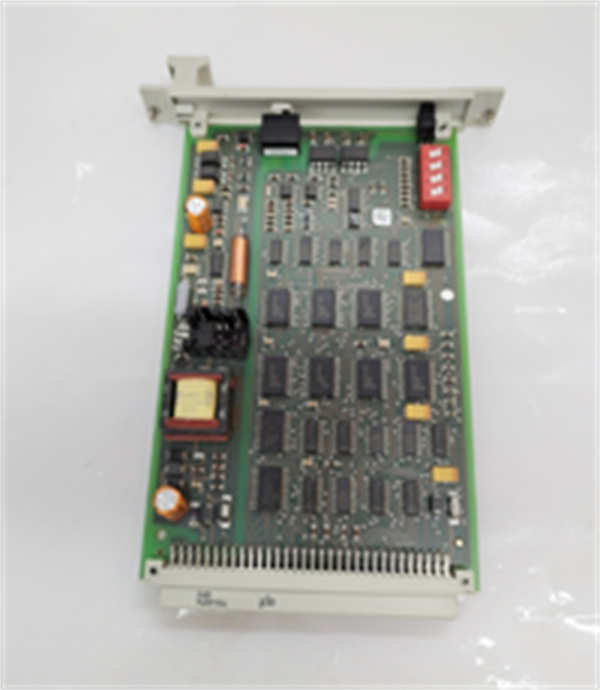
HIMA F7553
Lifecycle Status and Migration Strategy
HIMA officially discontinued the H51q platform, including the F7553, following the introduction of its next-generation HIMax and HIQuad X systems. No new units are available from the manufacturer, and official technical support for H51q is now limited to extended maintenance contracts. Continuing to operate with F7553 modules carries substantial risk: no factory warranty, no access to genuine spares, and increasing difficulty in meeting audit requirements for safety-critical asset management.
Short-term mitigation options include:
- Securing tested, traceable F7553 units from specialized lifecycle vendors with burn-in validation
- Engaging third-party repair services capable of reballing connectors or replacing degraded capacitors
- Implementing rigorous redundancy testing to ensure failover works if one carrier fails
For sustainable operation, HIMA’s endorsed migration path is to upgrade to the HIMax system. This transition preserves the existing safety logic (via conversion tools) while offering modern diagnostics, cybersecurity compliance, and long-term support. The migration requires:
- Replacement of H51q racks with HIMax chassis
- Reuse or replacement of field wiring via terminal block adapters
- Recertification of the safety functions under IEC 61511
While capital-intensive, this upgrade eliminates obsolescence exposure and aligns the safety system with current regulatory expectations—making it a necessary step for any facility committed to long-term operational integrity.