 Tel:
Tel:  Email:
  WhatsApp:
 Description
Key Technical Specifications (For Spare Part Verification)
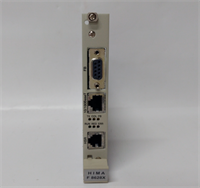
- Product Model: F7553
- Manufacturer: HIMA Paul Hildebrandt GmbH
- System Compatibility: HIMatrix F60 series safety controllers
- Input Channels: 8 differential analog inputs
- Signal Type: 4–20 mA (sink mode), with optional 0–20 mA range
- HART Support: Yes – transparent HART communication pass-through for device diagnostics
- Accuracy: ±0.1% of span (typical)
- Isolation: Channel-to-channel and channel-to-backplane per IEC 61508
- Diagnostic Coverage: >99% for dangerous failures
- Mounting: Hot-pluggable in HIMatrix F60 I/O chassis
- LED Indicators: Per-channel OK/FAULT, module status, and HART activity
System Role and Downtime Impact
The F7553 serves as a critical analog signal gateway in HIMatrix F60-based Safety Instrumented Systems (SIS), commonly deployed in oil & gas, chemical processing, and power generation. It acquires real-time measurements from field transmitters and delivers fault-tolerant data to the safety logic solver for evaluation against trip thresholds. In redundant configurations, voting logic ensures continuity, but a failed F7553 can still degrade system integrity. If undetected, it may cause a failure to trip during a hazardous event; if detected, it may initiate a spurious shutdown, halting production. Given its role in certified SIL 3 functions, any degradation must be addressed promptly to maintain compliance with IEC 61511.
Reliability Analysis and Common Failure Modes
Although engineered for high reliability, the F7553 exhibits age-related vulnerabilities typical of early-to-mid 2010s industrial electronics. The most common failure mode is electrolytic capacitor aging in internal power regulation circuits, leading to voltage instability, intermittent channel faults, or complete module dropout. HART modem IC degradation can result in loss of digital communication while analog signal remains functional—creating a latent fault that evades standard loop checks. Additionally, terminal block corrosion in humid or corrosive environments introduces resistance drift, causing measurement offsets that may exceed safety tolerances.
A key design limitation is the reliance on precise analog front-end components; units exposed to sustained temperatures above 60°C or frequent thermal cycling show accelerated drift. The module lacks field-replaceable parts, requiring full replacement upon failure.
Recommended preventive practices include:
- Performing quarterly partial-stroke tests that validate F7553 input response within safety logic
- Verifying HART pass-through functionality during transmitter calibration
- Monitoring HIMatrix diagnostic logs for “channel deviation” or “voting mismatch” alerts
- Storing spares in climate-controlled, static-safe conditions to preserve component integrity
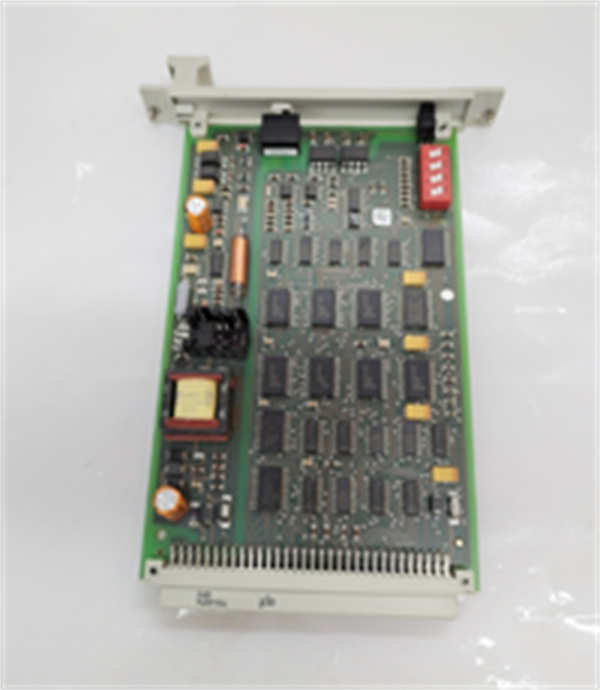
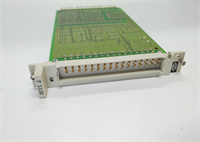
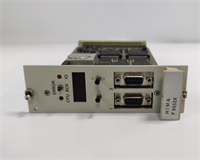
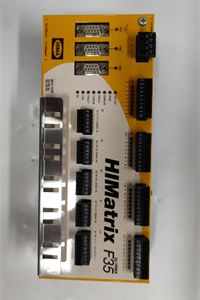
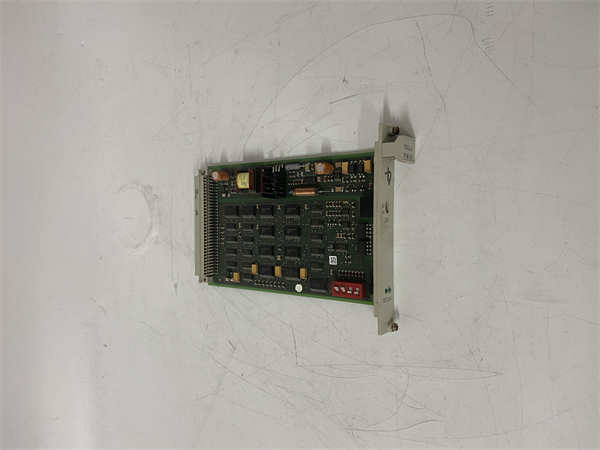
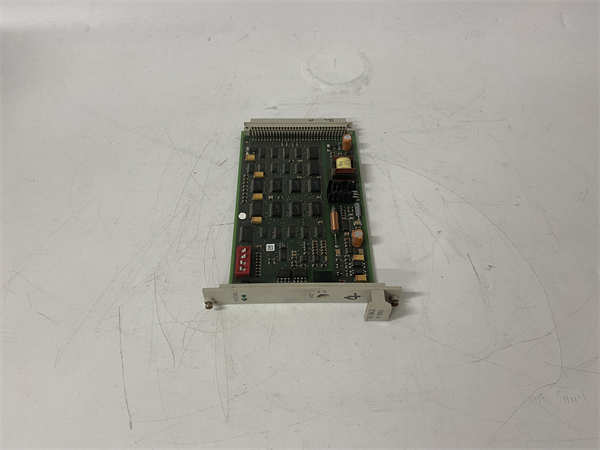
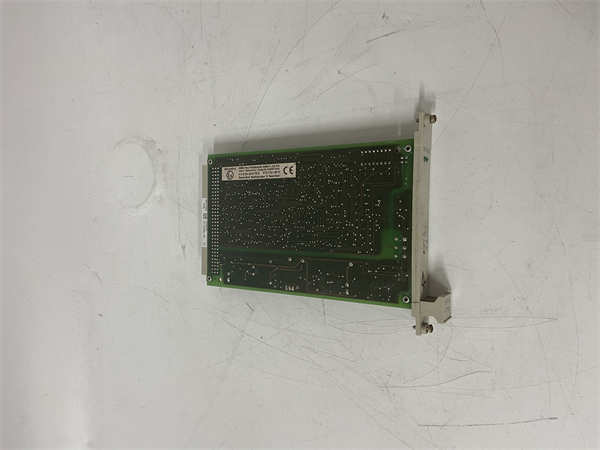
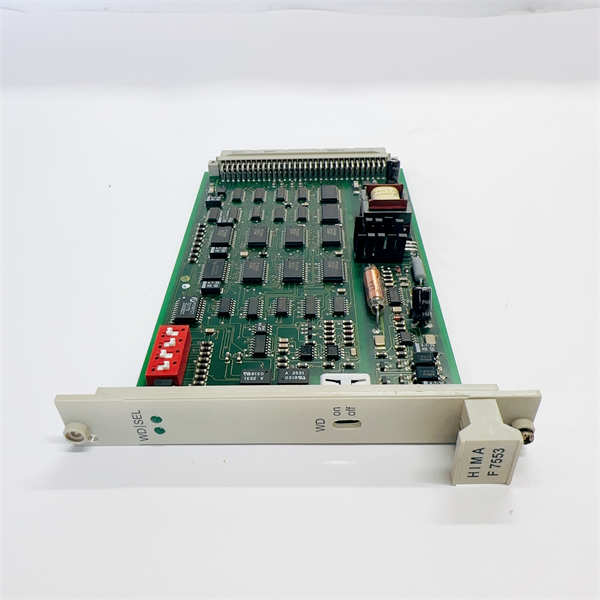
HIMA F7553
Lifecycle Status and Migration Strategy
HIMA has formally obsoleted the F7553 as part of the HIMatrix F60 end-of-life roadmap. No new units are manufactured, and official repair services are no longer offered. Continued operation increases exposure to supply shortages, extended mean time to repair (MTTR), and potential non-compliance during functional safety audits.
Short-term risk mitigation includes:
- Securing multiple tested spares with matching firmware and hardware revisions
- Validating hot-swap behavior and redundancy handover in a test rack
- Documenting channel mapping, termination details, and calibration baselines
For long-term sustainability, HIMA recommends migration to the HIMax X platform. The functional equivalent is the AI-X208, an 8-channel TMR analog input module with enhanced diagnostics, native HART support, and PROFINET/OPC UA connectivity. Migration involves:
- Replacing the HIMatrix F60 controller with a HIMax X CPU and I/O chassis
- Retaining existing field wiring via adapter terminal blocks where feasible
- Revalidating all SIF logic, response times, and proof test procedures under IEC 61511
- Upgrading engineering tools to HIMA Safety Suite
While requiring capital investment, this transition restores access to manufacturer support, cybersecurity features, and extended lifecycle assurance—essential for facilities planning operation beyond 2030. A phased, risk-prioritized approach is advised to balance safety, cost, and operational continuity.