 Tel:
Tel:  Email:
  WhatsApp:
 Description
Key Technical Specifications (For Spare Part Verification)
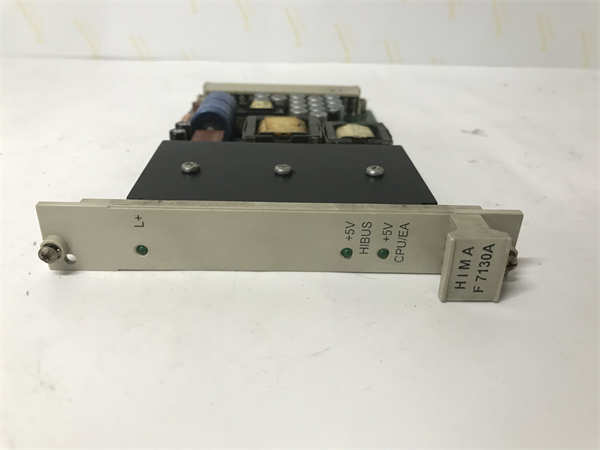
- Product Model: F7130A
- Order Number: 984713060
- Manufacturer: HIMA
- System Compatibility: HIMax Classic safety controller platform
- Architecture: Dual-channel (2oo2D) fault-tolerant design with internal diagnostics
- Safety Certification: Certified per IEC 61508 up to SIL 3
- Communication: Integrated backplane bus for I/O modules; supports HART and PROFIBUS PA via dedicated interface cards
- Redundancy: Supports 1oo2 or 2oo2 redundant CPU configurations
- Mounting: DIN rail mounted within HIMax chassis
- Diagnostic Coverage: >99% (per HIMA documentation), with continuous self-tests
- Configuration Tool: Requires PASconfig engineering software (legacy version)
System Role and Downtime Impact
The F7130A serves as the central logic executor in a HIMax safety system, commonly deployed in high-hazard applications such as offshore platforms, refineries, and chemical plants. It continuously evaluates inputs from field sensors (e.g., pressure switches, flame detectors) against pre-programmed safety logic and triggers final elements (e.g., shutdown valves, trip relays) when hazardous conditions are detected. In redundant setups, two F7130A modules operate in parallel with cross-comparison to detect internal faults.
If this module fails—particularly in a single-CPU configuration—the entire safety function becomes inoperative. This means the plant loses its last line of defense against overpressure, fire, or toxic release. Even in redundant systems, an undetected common-cause failure could lead to latent unsafe states. Regulatory bodies (e.g., OSHA, HSE) and standards like IEC 61511 require demonstrable integrity of such components; operating with obsolete, unsupported hardware increases audit risk and insurance liability.
Reliability Analysis and Common Failure Modes
Despite its robust safety architecture, the F7130A exhibits predictable aging issues typical of early-2000s safety controllers. The most common failure mode is flash memory degradation, leading to corrupted safety application code or boot failures after power cycling. Internal watchdog timer circuit drift can cause spurious resets or fail-safe shutdowns without clear root cause. Additionally, connector pin fatigue at the rear I/O interface—exacerbated by thermal cycling—may introduce intermittent communication errors that evade standard diagnostics.
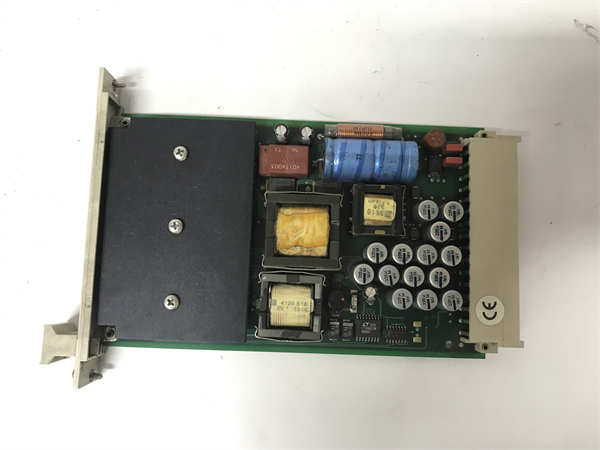
A notable vulnerability is dependency on legacy PASconfig software versions; if the original project file is lost or incompatible with modern OS environments, restoring a replacement unit becomes extremely difficult. Units operated in high-vibration environments (e.g., near compressors) show increased solder joint cracking on internal PCBs. Electrolytic capacitors in the power regulation stage also degrade over time, reducing tolerance to supply voltage sags.
Recommended preventive practices include:
- Performing annual functional proof tests that validate both logic execution and output activation
- Maintaining secure, version-controlled backups of the PASconfig project and firmware images
- Verifying redundancy synchronization status during routine inspections
- Monitoring for “CPU OK” and “SYNC FAULT” indicators on the front panel
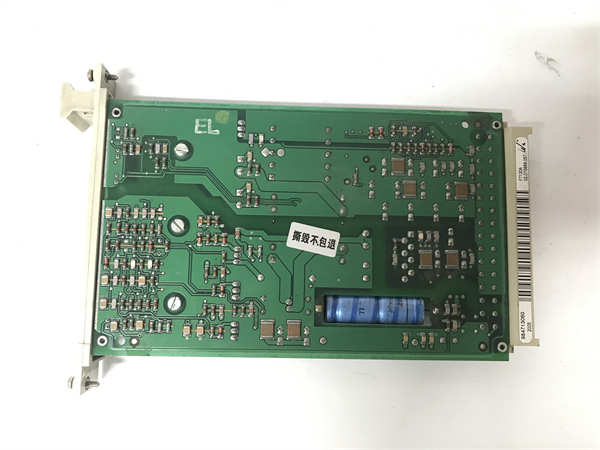
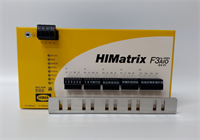
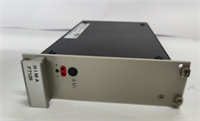
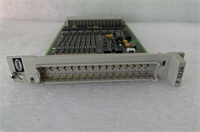
HIMA F7130A 984713060
Lifecycle Status and Migration Strategy
HIMA has officially obsoleted the F7130A as part of its transition to the HIMax X platform. The module is no longer manufactured, and factory repair services have been discontinued. Continued use increases exposure to extended downtime, compliance gaps, and inability to meet modern cybersecurity requirements for OT systems.
Short-term mitigation includes:
- Securing multiple tested spares with identical order numbers and firmware levels
- Validating full system restore procedures using a test chassis
- Documenting safety logic narratives, I/O tags, and cause-and-effect matrices
For long-term continuity, HIMA recommends migrating to the HIMax X-CPU (e.g., F8130), which offers:
- Backward compatibility with existing HIMax I/O modules (via adapter rails)
- Enhanced processing power, larger program memory, and built-in Ethernet for remote diagnostics
- Support for modern engineering tools (PASconfig X) and secure firmware updates
Migration typically involves:
- Reusing existing I/O wiring and field devices
- Translating or re-engineering the safety logic in PASconfig X
- Revalidating all safety functions per IEC 61511 lifecycle requirements
For facilities pursuing digital transformation, integration with HIMA’s Safe Remote Access or third-party OPC UA TSN gateways enables secure monitoring and predictive maintenance—while preserving functional safety integrity. A risk-prioritized migration plan, starting with highest-consequence SIFs, ensures operational resilience beyond 2030.