 Tel:
Tel:  Email:
  WhatsApp:
 Description
Key Technical Specifications (For Spare Part Verification)
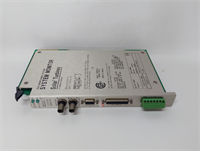
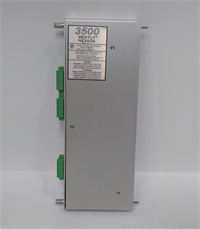
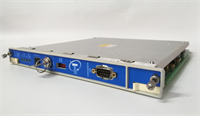
- Product Model: 2300/20-00
- Manufacturer: Bently Nevada
- System Family: 2300 Series Machinery Protection System
- Input Channels: 2 × dynamic signal inputs (typically accepts Bently proximity probes or velocity sensors)
- Signal Type: -2 to -18 V DC (for eddy-current probes) or AC-coupled velocity signals
- Alarm Outputs: 4 independent relay outputs (2 per channel: Alert and Danger)
- Power Supply: +24 V DC nominal (from 2300 system backplane)
- Mounting: Plug-in module for 2300 chassis (standard 19-inch rack)
- Configuration: Via front-panel DIP switches and internal jumpers
- Operating Temperature: 0°C to +60°C
- Diagnostic Indicators: LED status per channel (Power, OK, Alert, Danger)
System Role and Downtime Impact
The 2300/20-00 is a foundational protection module in legacy Bently Nevada 2300 systems, widely deployed in oil & gas, power generation, and chemical processing facilities. It continuously monitors vibration levels from two independent machine axes and activates electromechanical relays when user-defined alert or danger thresholds are exceeded—often interfacing directly with plant emergency shutdown (ESD) or turbine control systems. In non-redundant configurations, which are typical for this platform, failure of a single 2300/20-00 module can result in either a spurious trip (causing unplanned downtime) or, more severely, a failure to trip during an actual mechanical fault, risking catastrophic damage to multi-million-dollar rotating assets. Given its role in machinery safety, its reliability is mission-critical.
Reliability Analysis and Common Failure Modes
Although engineered for industrial durability, decades of service have exposed inherent aging vulnerabilities. The most frequent failures include drift in analog front-end circuitry due to capacitor degradation, leading to inaccurate vibration readings; relay contact oxidation or welding causing failure-to-trip or nuisance alarms; and intermittent connectivity from worn backplane connectors or cold solder joints. A key design limitation is the lack of digital self-diagnostics—faults often manifest only during functional testing or actual events. Additionally, configuration via physical DIP switches increases the risk of human error during maintenance or spare replacement.
Preventive maintenance should include annual functional verification using calibrated signal simulators, inspection of relay contact resistance, and thermal imaging to detect abnormal heating. Technicians must verify correct DIP switch settings against archived records before installing spares. Storing at least one tested and configured spare unit in a controlled environment is essential for rapid recovery.

Lifecycle Status and Migration Strategy
Bently Nevada discontinued the 2300 series years ago, with Baker Hughes now focusing support exclusively on modern platforms such as the 3500 and Observer families. No factory repairs, calibration certificates, or technical updates are available for the 2300/20-00. Continued use introduces significant operational, safety, and compliance risks—particularly in regulated industries requiring auditable asset integrity programs.
As a temporary measure, facilities can source tested-used modules from specialized vendors or engage third-party firms offering component-level repair. However, these are not sustainable long-term solutions. The recommended migration path is replacement with the Bently Nevada 3500/22M or 3500/25 dual-monitor modules, which offer backward compatibility with existing proximity probes, enhanced diagnostics, Modbus/TCP or OPC UA communication, and integration with modern asset performance management (APM) systems. Migration requires re-engineering rack wiring, updating ESD logic, and re-commissioning—but delivers improved reliability, cybersecurity readiness, and extended lifecycle support. Planning should be prioritized during scheduled turnarounds to minimize operational disruption.