 Tel:
Tel:  Email:
  WhatsApp:
 Description
Key Technical Specifications (For Spare Part Verification)
- Product Model: WES5120
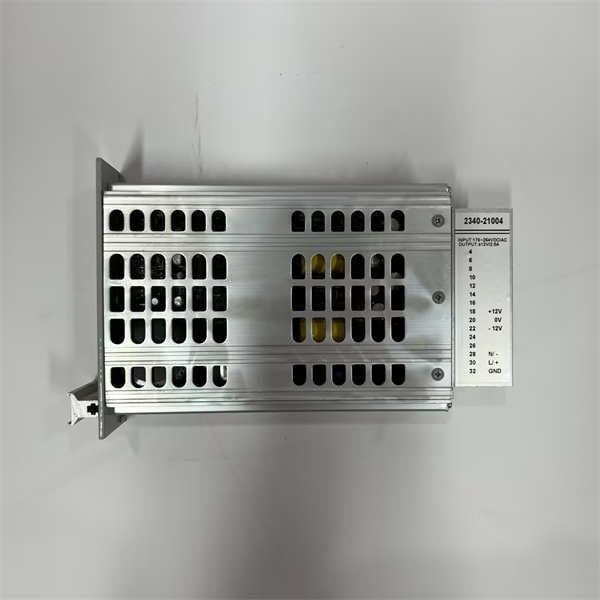
- Manufacturer Part Number: 2340-21004
- Manufacturer: General Electric (GE)
- System Family: Mark VIe Turbine Control Platform
- Form Factor: Industrial-grade desktop or rack-mountable PC (varies by sub-model)
- Operating System: Originally shipped with Windows 7 Embedded or Windows 10 IoT Enterprise (specific license tied to hardware)
- Processor: Intel Core i5 or i7 (2nd–4th generation, depending on build date)
- Memory: 8–16 GB DDR3 RAM
- Storage: 256–512 GB SSD (often with write-filter enabled for OS stability)
- Network Interfaces: Dual Gigabit Ethernet ports (one for control network, one for plant LAN)
- Video Outputs: Dual DVI or DisplayPort for multi-monitor HMI
- Special Features: Hardware dongle or BIOS-level licensing for ToolboxST; pre-installed GE-specific drivers and security policies
- Software Suite: GE ToolboxST (for logic configuration), CIMPLICITY (for HMI), and Historian client
System Role and Downtime Impact
The WES5120 serves as the primary human-machine interface and engineering terminal for the Mark VIe control system. It enables operators to monitor turbine status, acknowledge alarms, and execute start/stop sequences, while engineers use it for online diagnostics, logic modifications, and firmware updates. Failure of this workstation—whether due to hardware fault, OS corruption, or licensing issues—severely limits operational visibility and maintenance capability. Although redundant operator stations may exist, the loss of the primary engineering workstation can delay critical troubleshooting or inhibit the ability to upload new configurations during outages. In plants without virtualized or backup engineering environments, this creates a single point of failure for advanced control functions.
Reliability Analysis and Common Failure Modes
As a commercial-off-the-shelf (COTS) platform adapted for industrial use, the WES5120 is subject to typical PC aging issues. The most common failures include SSD wear-out due to constant logging and write-filter cycling, leading to boot failures or data corruption. Thermal stress on the CPU and power supply—especially in poorly ventilated control rooms—causes premature fan failure or motherboard capacitor degradation. Additionally, the proprietary GE software stack is tightly coupled to specific OS builds and hardware IDs; attempts to clone or replace the unit without proper licensing often result in ToolboxST activation errors. Security updates or antivirus interference can also destabilize the locked-down OS environment. Recommended preventive measures include regular disk health checks (via SMART tools), maintaining ambient temperature below 35°C, keeping verified system images for rapid recovery, and storing the original OS recovery media and license keys in secure archives.
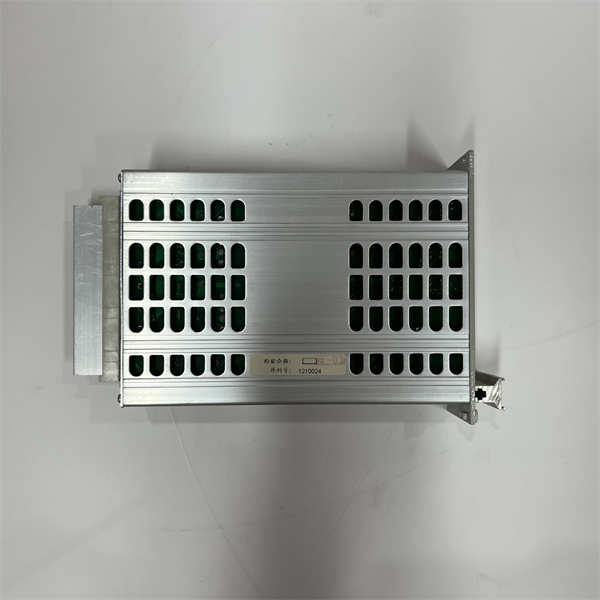
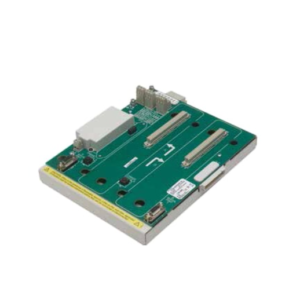
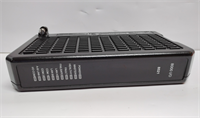
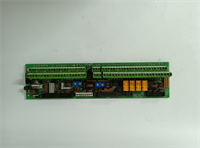
GE WES5120 2340-21004
Lifecycle Status and Migration Strategy
GE has phased out the WES5120 as newer computing platforms (e.g., WES7000 series) and virtualization strategies become standard. While not all units are formally declared “obsolete” in every region, the underlying hardware (Intel 2nd–4th gen) is no longer supported by modern OS or security standards. Microsoft’s end of support for Windows 7 and limited lifecycle for Windows 10 IoT further compounds risk. GE now encourages migration to virtualized engineering environments using VMware or Hyper-V, where ToolboxST and CIMPLICITY run on standardized server hardware. This approach decouples software from proprietary PCs, enabling faster recovery, easier backups, and improved cybersecurity through network segmentation. For sites unable to virtualize immediately, GE supports hardware replacement with approved commercial PCs under its “Customer-Supplied Workstation” program—but requires strict adherence to certified specifications and re-validation of the software stack. Proactive migration eliminates dependency on aging WES5120 units and aligns the control infrastructure with current IT governance and resilience best practices.