 Tel:
Tel:  Email:
  WhatsApp:
 Description
Key Technical Specifications (For Spare Parts Verification)
- Product Model: VMIVME-7455
- Manufacturer: GE Intelligent Platforms (now under Emerson Automation Solutions)
- Form Factor: 6U VME64x compliant board (233.35 mm × 160 mm)
- Processor: Freescale (formerly Motorola) PowerPC MPC7455, 1.0–1.4 GHz
- Memory: Up to 2 GB DDR SDRAM (onboard), with ECC support
- Storage Interface: Onboard ATA/IDE and PMC site for SSD or hard drive expansion
- I/O Interfaces: Dual Gigabit Ethernet, USB 2.0, serial ports, PMC/XMC mezzanine slot
- Bus Interface: VME64x (32/64-bit, 32-bit address, up to 160 MB/s sustained)
- Operating Temperature: Standard commercial (0°C to +55°C); extended temp versions may exist
- Firmware: VxWorks BSP or Linux-ready; dependent on custom application image
- Power Consumption: ~30–40 W typical, varies with load and PMC modules
System Role and Downtime Impact
The VMIVME-7455 served as a high-performance embedded controller in demanding industrial, defense, and energy applications—often deployed in turbine control retrofits, radar data processors, or test/measurement systems requiring long-term determinism. As the main CPU in a VME-based chassis, its failure typically halts all application execution, leading to complete system shutdown or loss of critical real-time functions. In power generation or aerospace contexts, this can result in unplanned outages, safety system degradation, or mission aborts. Unlike modular I/O, the SBC is rarely redundant in legacy designs, making it a single point of failure with high operational consequence.
Reliability Analysis and Common Failure Modes
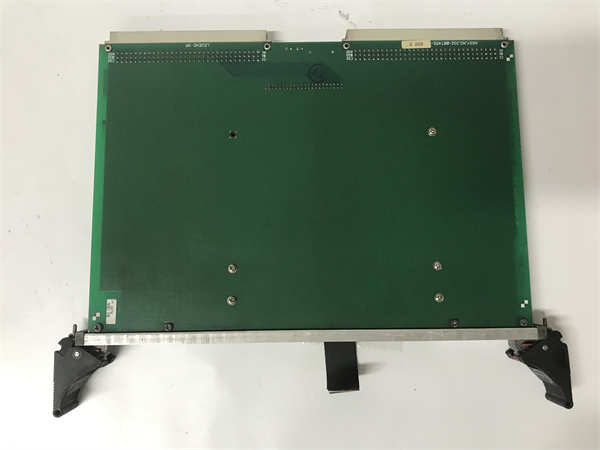
Despite rugged construction, the VMIVME-7455 is vulnerable to several age-related failure mechanisms. The high-power MPC7455 processor generates significant heat, accelerating wear on voltage regulator modules (VRMs) and nearby electrolytic capacitors—leading to thermal throttling or sudden shutdowns. The DDR memory modules are prone to bit errors over time, especially without active cooling. The VME edge connector is susceptible to fretting corrosion and mechanical wear from repeated insertions, causing intermittent bus errors. Additionally, the reliance on aging IDE/ATA storage (if used) introduces risk from mechanical drive failure or flash wear-out in early SSDs. Preventive maintenance includes monitoring system logs for correctable memory errors, inspecting for capacitor bulging or discoloration near the CPU, cleaning VME connectors with contact enhancer, and replacing onboard storage with modern, industrial-grade alternatives where possible. Keeping powered spares in a test chassis helps validate functionality before deployment.
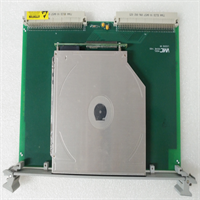
GE VMIVME-7455
Lifecycle Status and Migration Strategy
GE Intelligent Platforms discontinued the VMIVME-7455 years ago, and Emerson has not reintroduced it. Official technical support, BIOS updates, and replacement units are unavailable. Continued operation depends entirely on the secondary market, where authenticity, burn-in history, and ESD exposure are often unknown. Short-term strategies include maintaining multiple tested spares, implementing hardware health monitoring via custom diagnostics, and avoiding unnecessary power cycles to reduce thermal stress. For sustainable operation, migration to modern embedded platforms is essential. Options include:
- VME replacements: Newer PowerPC or Intel-based VME SBCs (e.g., from Elma, Kontron, or Abaco) if VME infrastructure must be retained.
- Form-fit-function upgrades: Some vendors offer drop-in replacements with updated components but identical pinout and software interface.
- Architecture migration: Transition to VPX, CompactPCI, or industrial PC platforms with virtualization to emulate legacy behavior—though this requires significant software re-engineering.
Given the obsolescence of the PowerPC ecosystem and VMEbus in new designs, planning a full system modernization during major maintenance windows is the most prudent long-term approach. Engaging with specialized embedded migration consultants can reduce risk and preserve decades of application logic investment.