 Tel:
Tel:  Email:
  WhatsApp:
 Description
Technical Specifications (For Spare Part Verification)
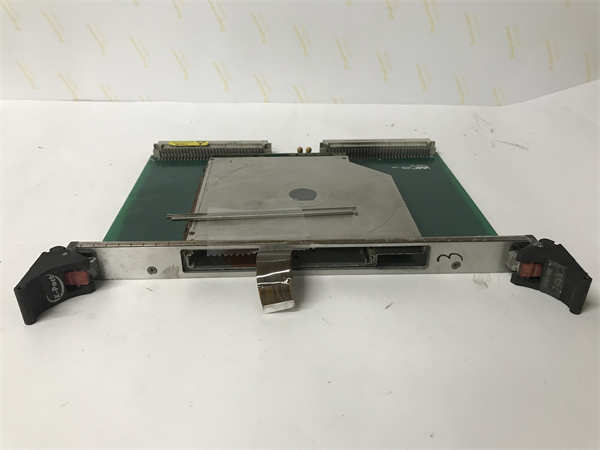
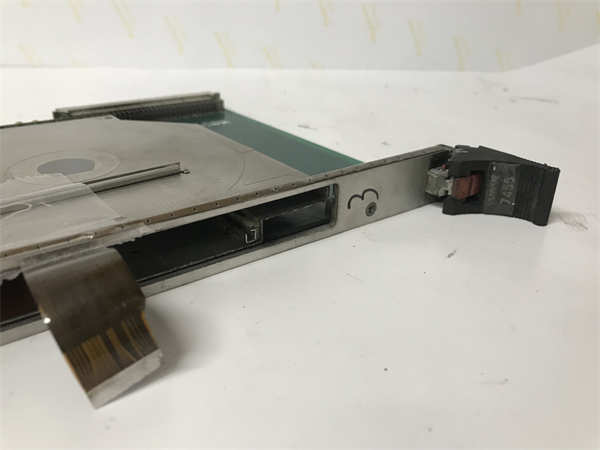
- Product Model: VMIVME-7455
- Manufacturer: GE Intelligent Platforms
- Bus Architecture: VME64 (6U form factor, 32-bit/64-bit, 32-bit address space)
- Processor: Motorola MPC750 PowerPC (rated up to 400 MHz)
- Onboard Memory: 128 MB DRAM (soldered), 4 MB Flash
- Storage Interface: ATA/IDE for CompactFlash or hard drive
- I/O Interfaces: Dual 10/100 Mbps Ethernet, two RS-232/422 serial ports, PMC site for mezzanine expansion
- Operating System Support: VxWorks, Linux, QNX, LynxOS
- Operating Temperature: 0°C to +60°C (commercial); extended temp variants may exist
- Conformal Coating: Optional (for harsh environments)
- Power Consumption: ~15 W typical
System Role and Downtime Impact
The GE VMIVME-7455 functions as the primary computational core in legacy VME-based embedded systems, commonly found in defense test rigs, nuclear instrumentation, and industrial process controllers deployed in the late 1990s to early 2000s. It runs deterministic real-time operating systems to manage data acquisition, closed-loop control, and communication with supervisory systems. Due to its integration depth—often tied to custom firmware and proprietary drivers—its failure typically halts the entire application. Unlike modular PLC systems, VME architectures rarely support hot-swap or easy drop-in replacements. Recovery without a pre-validated spare can require months of reverse engineering, driver recompilation, or even full system redesign. In mission-critical or safety-related installations, this creates unacceptable operational and compliance exposure.
Reliability Analysis and Common Failure Modes
Despite its rugged design, the VMIVME-7455 is susceptible to several age-related failure mechanisms after 15–20 years of service. The most prevalent issue is electrolytic capacitor degradation on the power regulation circuitry, leading to voltage instability, spontaneous reboots, or failure to power-on. The soldered DRAM modules are also prone to tin whisker growth and thermal fatigue, causing intermittent memory errors that manifest as unexplained crashes or data corruption. Additionally, the CompactFlash interface controller may fail due to repeated write cycles, resulting in boot failures if the OS resides on flash storage.
Key design vulnerabilities include:
- Non-replaceable onboard DRAM—failure requires board-level repair or replacement
- Dependence on legacy PowerPC toolchains; modern development environments offer limited support
- PMC mezzanine site adds mechanical stress if populated with heavy daughter cards
Preventive maintenance recommendations:
- Perform annual power-on tests under load to detect early capacitor or memory issues
- Replace onboard electrolytic capacitors proactively via qualified board refurbishment
- Clone and archive the OS image from original storage media to preserve boot integrity
- Store spares in static-shielded, dry, temperature-controlled environments with periodic power cycling
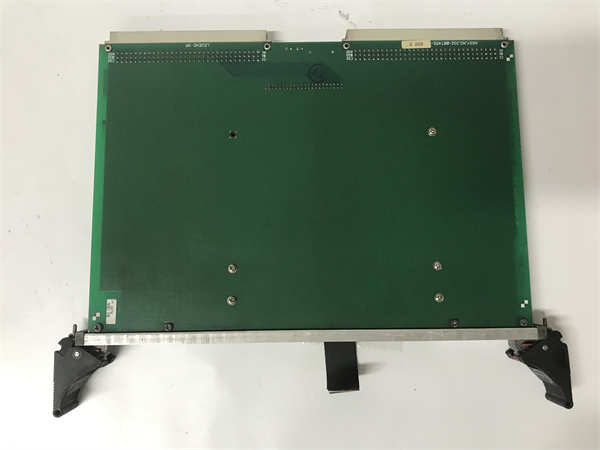
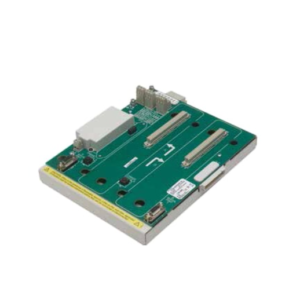
GE VMIVME-7455
Lifecycle Status and Migration Strategy
GE Intelligent Platforms discontinued the VMIVME-7455 over a decade ago, and Emerson (current owner of the product line) no longer provides technical documentation, drivers, or repair services. The broader VME ecosystem has been largely superseded by VPX, CompactPCI, and embedded PC standards, leaving users with minimal OEM support.
As an interim measure, facilities may:
- Secure one or more fully tested spares with verified OS boot and application functionality
- Partner with specialized third-party vendors for board-level repair and component refresh
- Implement external watchdog timers to detect and reset hung systems
For long-term sustainability, migration to a modern embedded platform is essential. While no direct pin-compatible replacement exists, viable paths include:
- Emerson’s newer VPX or CompactPCI solutions (e.g., PPC-based SBCs with VxWorks support)
- Commercial off-the-shelf (COTS) x86 SBCs in rugged form factors running real-time Linux
- Custom FPGA-based emulation to preserve legacy VME software while upgrading hardware
Migration typically involves:
- Rehosting the real-time application on a new OS/hardware stack
- Replacing VME chassis with modern backplane standards or standalone embedded PCs
- Retaining legacy I/O via VME-to-PCIe bridge adapters or redeveloping interface modules
Executing this transition during planned maintenance windows mitigates obsolescence risk while preserving decades of validated control logic—ensuring continued reliability in critical embedded applications.