 Tel:
Tel:  Email:
  WhatsApp:
 Description
Technical Specifications (For Spare Parts Verification)
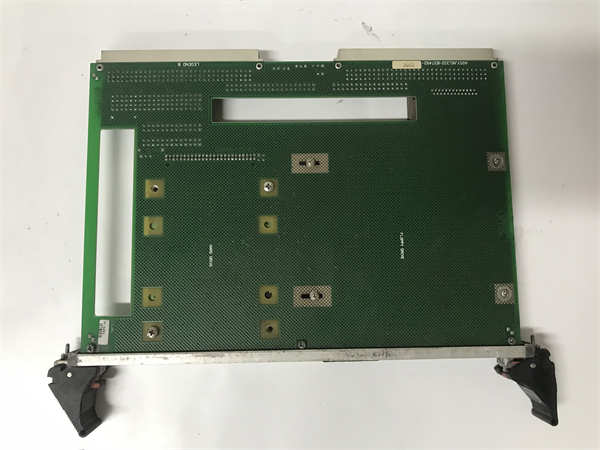
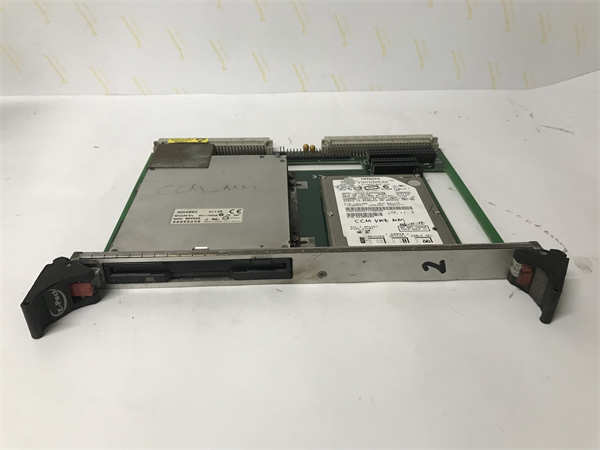
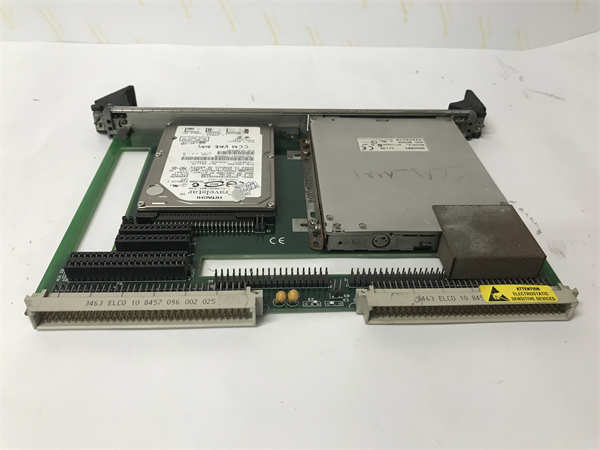
- Product Model: VMIVME-7452
- Manufacturer: GE Fanuc Embedded Systems (acquired by Emerson)
- System Family: GE VME Series (VME64 standard)
- Processor: PowerPC 604e, 200 MHz
- Onboard Memory: 64 MB DRAM (soldered), 8 MB Flash
- Bus Interface: VME64, 32-bit, 33 MHz
- I/O Interfaces: Dual 10/100 Mbps Ethernet, 2x RS-232/422 serial ports, PMC expansion site
- Operating Temperature: 0°C to +60°C (commercial grade)
- Firmware Type: VxWorks-compatible BSP (Board Support Package)
- Physical Dimensions: 6U VME form factor (233.35 mm x 160 mm)
- Power Consumption: ~25 W typical
System Role and Downtime Impact
The VMIVME-7452 functions as the central processing node in VME-based distributed control systems, commonly deployed in early-generation GE Mark VI turbine protection systems and military C4ISR platforms. It runs deterministic real-time applications—often custom VxWorks code—for data acquisition, logic execution, and communication coordination. Because these systems were architected with minimal redundancy at the CPU level, a failure of the VMIVME-7452 typically halts all control and monitoring functions. In a combined-cycle power plant, this can trigger an uncontrolled turbine trip or prevent safe startup, leading to days of lost generation and potential mechanical stress on rotating equipment. The lack of hot-swap capability and absence of modern diagnostic features further exacerbate recovery time.
Reliability Analysis and Common Failure Modes
Despite its age, many VMIVME-7452 units remain in service due to the high cost and engineering effort required for full system migration. However, reliability is increasingly compromised by component aging. The most frequent failure modes include:
- Electrolytic capacitor degradation: Onboard power regulation circuits use aluminum electrolytic capacitors that dry out over time, leading to voltage instability and spontaneous reboots.
- Flash memory wear-out: The onboard 8 MB flash stores boot code and configuration; after 15–20 years of read/write cycles, bit errors or complete corruption can occur, preventing system initialization.
- PMC connector fatigue: Repeated thermal cycling causes micro-cracks in the PMC (PCI Mezzanine Card) site solder joints, disrupting expansion modules like analog I/O or specialty comms cards.
- Power supply sensitivity: The board lacks robust overvoltage/undervoltage protection; transient events on the VME backplane (common in industrial environments) can damage the DC/DC converters.
As a maintenance best practice, operators should:
- Perform annual infrared thermography to detect hot spots on power regulators
- Backup flash contents using JTAG or serial bootloader before any power cycle
- Inspect VME edge connectors for oxidation or bent pins during routine outages
- Maintain at least one verified spare in climate-controlled storage
GE VMIVME-7452
Lifecycle Status and Migration Strategy
GE officially discontinued the VMIVME-7452 in the late 2000s, with final firmware updates released around 2010. Emerson no longer provides repair services, replacement units, or technical documentation beyond legacy archives. Continued operation carries escalating risks: diminishing spares inventory, inability to recover from corrupted firmware, and growing incompatibility with modern cybersecurity requirements.
Interim Mitigation Measures:
- Source tested, functional units from certified surplus vendors with burn-in validation
- Implement board-level refurbishment (capacitor replacement, conformal coating) through specialized third-party labs
- Deploy external watchdog timers to force hardware resets on lockup events
Recommended Migration Path:
Emerson’s strategic replacement for VME-based control is the PACSystems RX7i platform, though direct hardware compatibility does not exist. A full migration requires:
- Rewriting application logic in Proficy Machine Edition (IEC 61131-3)
- Replacing VME chassis with RX7i rack and I/O modules
- Re-engineering communication interfaces (e.g., replacing VME Ethernet with PROFINET or Modbus TCP)
For organizations unable to fund a full upgrade, a hybrid approach—using FPGA-based VME emulator bridges or virtualized VxWorks environments on modern hardware—is emerging as a viable interim strategy, though it demands significant embedded systems expertise. Early planning is essential; waiting for a failure to act often results in extended, costly outages.