 Tel:
Tel:  Email:
  WhatsApp:
 Description
Key Technical Specifications (For Spare Parts Verification)
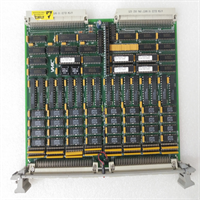
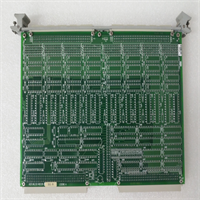
- Product Model: VMIVME-2128
- Manufacturer: GE Intelligent Platforms (originally VMIC)
- Bus Standard: VME64 (IEEE 1014 / VITA 1.1), 32-bit, A24/D16 addressing
- I/O Configuration: 32 channels configurable as input or output (typically 16 in / 16 out per bank)
- Isolation: Opto-coupled (typically 500–1000 V isolation per channel)
- Input Voltage Range: 5–60 VDC (compatible with industrial dry contacts or PLC-level signals)
- Output Type: Open-collector or sourcing (depending on revision), up to 100 mA per channel
- Interrupt Support: Programmable interrupts via VME IRQ lines
- Diagnostic Features: LED indicators per channel group, status registers accessible via VME
- Form Factor: 6U VME (233.35 mm × 160 mm)
- Operating Temperature: 0°C to +60°C (commercial); extended temp variants may exist
System Role and Downtime Impact
The VMIVME-2128 served as a workhorse digital I/O interface in VME-based control systems—commonly deployed in power plant monitoring, test equipment, defense platforms, and industrial automation from the 1990s through early 2000s. It connects field devices (e.g., limit switches, solenoids, relay contacts) to a VME single-board computer (SBC) running real-time control software.
In safety-critical or continuous-process environments, loss of this module can result in:
- Failure to detect equipment status (e.g., valve open/close feedback)
- Inability to actuate final control elements (e.g., trip relays, motor starters)
- System fault escalation due to missing watchdog or interlock signals
Because VME systems often lack built-in I/O redundancy, the VMIVME-2128 frequently represents a single point of failure. Unplanned downtime may last days or weeks if no tested spare is available.
Reliability Analysis and Common Failure Modes
Despite its rugged design, the VMIVME-2128 is now vulnerable due to age and component obsolescence:
- Optocoupler degradation: Reduced CTR (current transfer ratio) over time causes signal dropout or slow response
- Field wiring overvoltage damage: Lack of robust transient suppression on older revisions leads to fried input clamps
- VME connector wear: Repeated insertion/removal or vibration causes intermittent bus communication
- PCB delamination or trace corrosion: Especially in high-humidity or chemically aggressive environments
- Firmware/bootloader corruption (if EEPROM-equipped): Rare but possible after power glitches
A key limitation is the absence of advanced self-diagnostics—most faults are only detectable via application-level timeouts or manual testing.
Recommended preventive maintenance:
- Perform periodic loop checks by toggling outputs and verifying field responses
- Use oscilloscope or logic analyzer to validate signal integrity on suspect channels
- Inspect VME edge fingers for oxidation; clean with contact enhancer if needed
- Ensure external wiring uses proper shielding and surge suppression
- Store spares in anti-static, dry containers with desiccant
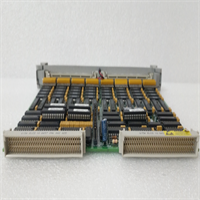
GE VMIVME-2128
Lifecycle Status and Migration Strategy
GE divested its embedded business (including VMIC legacy products) to Spectrum Signal Processing (later part of Curtiss-Wright) in the 2010s, but the VMIVME-2128 was not carried forward. It is no longer supported, and original documentation is scarce. Remaining units are found only in surplus markets or decommissioned systems—often untested and priced at a premium.
Short-term mitigation:
- Secure multiple known-good spares from trusted vendors
- Implement external relay marshaling with health monitoring as a backup layer
- Develop software-based heartbeat checks to detect I/O freeze conditions
Long-term migration path:
Modern alternatives include:
Modern alternatives include:
- Curtiss-Wright VPX or VME digital I/O modules (e.g., VPX3-530) with enhanced diagnostics
- Ethernet-based I/O systems (e.g., Modbus TCP, PROFINET remote I/O) paired with modern SBCs
- Custom FPGA-based VME replacement boards for drop-in compatibility (specialty vendors only)
However, full migration typically requires:
- Rewriting application software for new I/O drivers
- Re-engineering backplane or cabling infrastructure
- Re-validating system timing and safety functions
Given the fragility of remaining VMIVME-2128 inventory, asset owners should initiate migration planning immediately—especially in critical infrastructure where unplanned outages carry high operational or safety risk.