 Tel:
Tel:  Email:
  WhatsApp:
 Description
Technical Specifications (For Spare Part Verification)
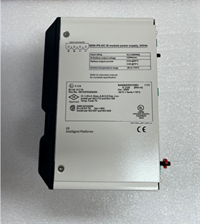
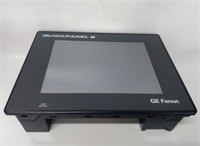
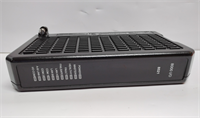
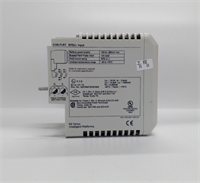
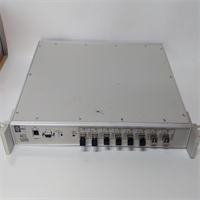
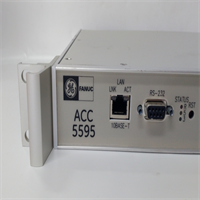
- Product Model: VMIACC-5595-208 (also marked as 350-805595-208L)
- Manufacturer: Bently Nevada (acquired by GE, now part of Baker Hughes)
- System Platform: 3500 Machinery Protection System
- Module Type: 3500/55 Dual Relay Output Card
- Output Configuration: Two independent Form C (SPDT) electromechanical relays
- Contact Rating: 2 A @ 30 V DC, 1 A @ 120 V AC (resistive load)
- Isolation: 500 V RMS between channels and backplane
- Power Source: Powered via 3500 chassis backplane (no external supply required)
- Physical Format: Half-height module, occupies one slot in 3500 rack
- Firmware Dependency: Requires compatible 3500/50 or 3500/53 interface modules for configuration
- Diagnostic Features: LED indicators for relay status (energized/de-energized)
System Role and Downtime Impact
The VMIACC-5595-208 (350-805595-208L) is a critical output interface in Bently Nevada 3500-based machinery protection systems, commonly deployed on steam turbines, compressors, and large pumps in power plants, refineries, and LNG facilities. It resides in the 3500 rack and receives trip commands from monitoring modules (e.g., 3500/42M, 3500/45) to activate its relays. These dry contacts are typically hardwired to plant-wide Emergency Shutdown (ESD) systems or DCS trip logic. If this module fails—especially in a de-energize-to-trip configuration—the system may lose its ability to initiate a safe shutdown during overspeed, high vibration, or other catastrophic conditions. Such a failure could result in complete unit trip, extended forced outage, or in worst cases, mechanical damage requiring months of repair.
Reliability Analysis and Common Failure Modes
Despite its robust design, the VMIACC-5595-208 is susceptible to age-related degradation due to its reliance on electromechanical components. The most common failure mode is relay contact sticking or coil burnout, often accelerated by frequent alarm/trip cycling or exposure to high ambient temperatures in control rooms. A key design weakness is the lack of redundant outputs on a single module—each relay operates independently, but there is no internal cross-checking, so a welded contact may go undetected until a real trip event occurs. Additionally, the module depends on stable backplane power; voltage sags or transients can cause intermittent behavior. For preventive maintenance, technicians should regularly inspect the front-panel LEDs for abnormal status, perform manual relay exercise tests during outages, and verify contact resistance using a milliohm meter. Cleaning dust from the module vents and ensuring proper chassis grounding also mitigate long-term reliability risks.
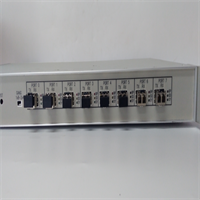
VMIACC-5595-208 350-805595-208L GE
Lifecycle Status and Migration Strategy
GE/Bently Nevada officially discontinued the 3500/55 module family, including the VMIACC-5595-208, with no direct “drop-in” replacement available. Continued use carries significant risk: spare parts are scarce, pricing is unstable, and technical support is limited to legacy documentation. As a temporary measure, facilities may source tested, refurbished units from specialized vendors or implement board-level repairs—but these are stopgap solutions. The recommended migration path is a full upgrade to the Bently Nevada 3500/55R (if still available) or, more sustainably, to the next-generation System 1 platform with 3500/55E enhanced relay modules, which offer improved diagnostics and cyber security. However, this requires re-engineering the I/O wiring, updating configuration files in Rack Configuration Software (RCS), and potentially revalidating the entire protection logic—a substantial but necessary investment for long-term operational integrity. Early planning for this transition is strongly advised.