 Tel:
Tel:  Email:
  WhatsApp:
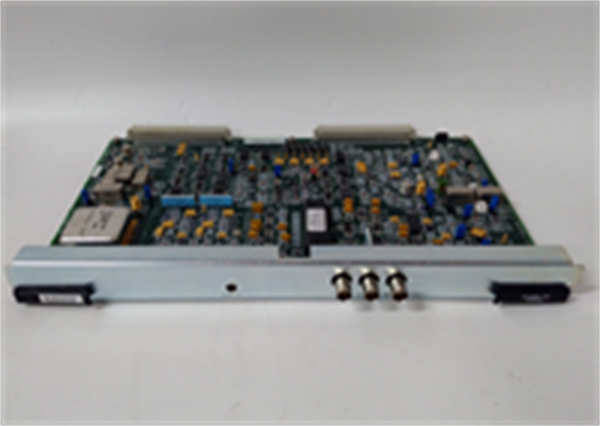
 Description
Key Technical Specifications (For Spare Parts Verification)
- Product Model: SD-108542
- Manufacturer: GE Fanuc Automation
- System Platform: Series 90™-30 PLC
- Module Type: Intelligent Serial Communications Module
- Communication Ports: One configurable port (selectable via DIP switches: RS-232 or RS-485)
- Baud Rates: Up to 38.4 kbps (typical for era)
- Protocols Supported: SNP (Serial Net Protocol), RTU Modbus, ASCII, and custom protocols via ladder logic
- Configuration Method: DIP switches for port mode, address, and termination
- Backplane Interface: Plugs into standard 90-30 I/O rack (requires vacant slot)
- Diagnostic Indicators: Two front-panel LEDs (Transmit and Receive activity)
- Power Consumption: ~1.5 A from +5V backplane supply
System Role and Downtime Impact
The SD-108542 typically serves as the primary communication gateway between a Series 90-30 PLC and external devices—most commonly a programming workstation (running Logicmaster 90 or VersaPro software), an operator terminal (such as a GE Series 90 HMI), or a supervisory SCADA system via Modbus RTU. In many legacy installations, it is the only means of accessing the PLC for monitoring, troubleshooting, or program updates.
If the SD-108542 fails, the PLC continues to execute its control logic, but becomes completely isolated from human interaction and higher-level systems. Operators lose real-time visibility, engineers cannot upload diagnostics or modify logic during upsets, and automated data collection halts. In practice, this often forces a controlled shutdown to avoid operating “blind,” especially in safety-critical or regulated processes. Recovery requires physical replacement and reconfiguration of DIP switches—a process that can take hours if correct settings are undocumented.
Reliability Analysis and Common Failure Modes
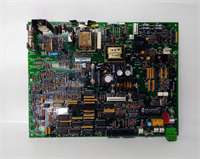
The SD-108542, designed in the early 1990s, uses through-hole components and discrete UART circuitry that degrade over time. The most frequent failure is loss of serial communication due to damaged RS-485 transceivers, often caused by ground loops, lightning-induced surges, or incorrect wiring (e.g., missing termination resistors). These failures are typically permanent and not recoverable via reset.
A key vulnerability is its reliance on DIP switch configuration. If switches are accidentally moved during maintenance—or if labels fade—restoring correct settings becomes guesswork, leading to communication mismatches. Additionally, the module’s +5V power regulation circuit is prone to capacitor aging, which can cause intermittent resets or complete dropout under load.
Recommended preventive actions include:
- Document all DIP switch positions for every installed SD-108542 and affix a laminated label to the module.
- Install external surge protection on all field-wired serial lines, especially RS-485 runs exceeding 10 meters.
- Verify communication integrity quarterly using a serial protocol analyzer or loopback test.
- Store spares in ESD-safe, dry environments to prevent moisture-related corrosion on connectors.
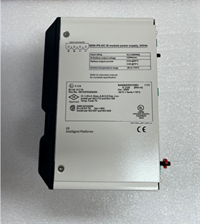
GE SD-108542
Lifecycle Status and Migration Strategy
GE discontinued the Series 90-30 platform over two decades ago, and the SD-108542 has been obsolete for just as long. Continuing to operate systems dependent on this module carries significant risk: spare parts are scarce, technical expertise is retiring, and cybersecurity exposure is high due to unpatched legacy protocols.
As an interim solution, facilities may source tested units from industrial automation surplus vendors, but each must undergo full functional validation—including protocol and baud rate verification—before deployment. Some users implement external USB-to-serial adapters as workarounds, though these do not restore native SNP or ladder-based messaging.
The recommended long-term path is migration to a modern PAC platform, such as Emerson PACSystems RX3i (the official successor) or alternatives like Rockwell ControlLogix. Emerson provides migration tools to convert 90-30 ladder logic, and the RX3i supports native Ethernet/IP, Modbus TCP, and OPC UA—eliminating reliance on fragile serial links. While migration requires investment, it restores engineering access, improves reliability, and aligns with current OT security standards. For multi-PLC sites, prioritizing units with single-point communication dependencies offers the highest risk reduction per dollar spent.