 Tel:
Tel:  Email:
  WhatsApp:
 Description
Technical Specifications (For Spare Parts Verification)
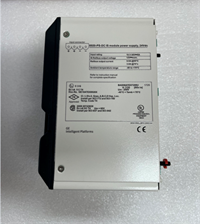
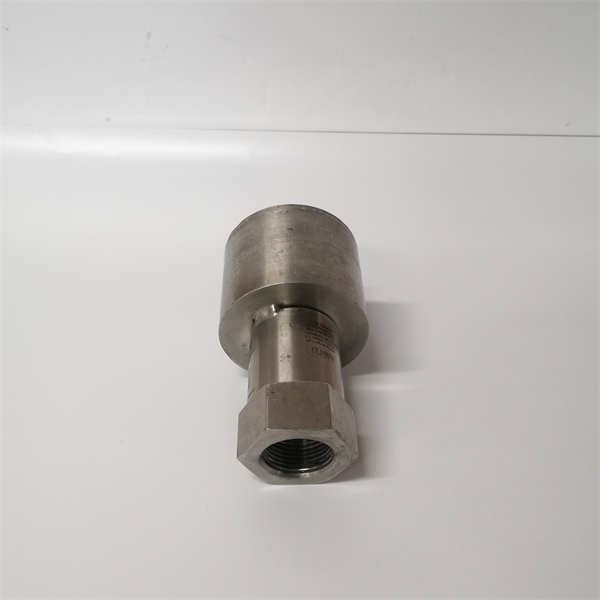
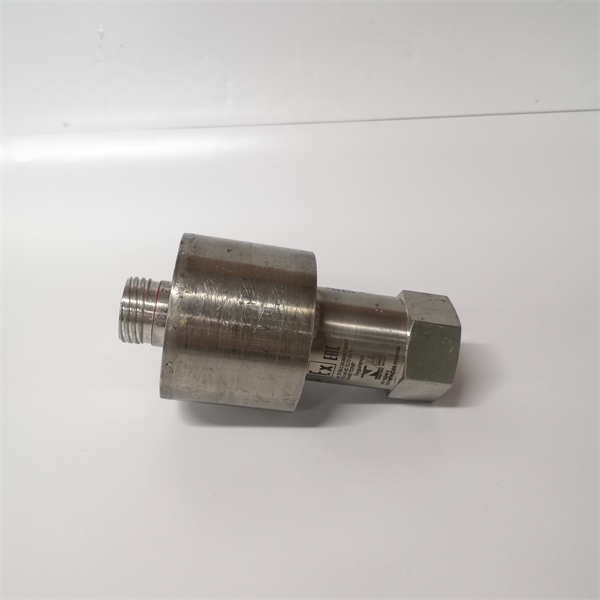
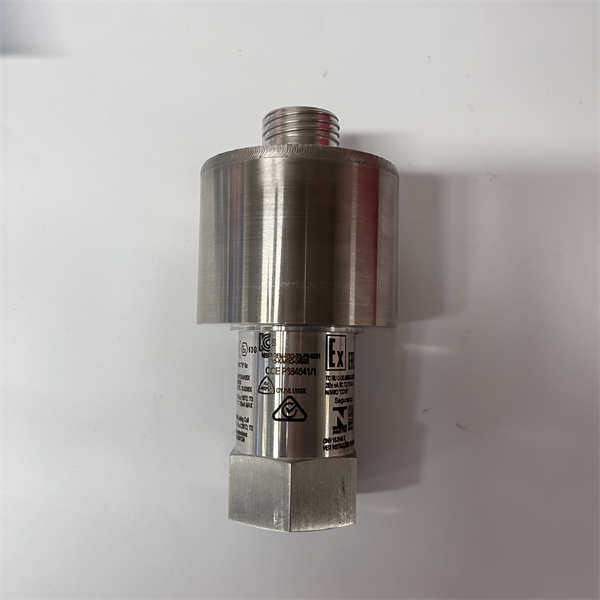
- Product Model: RS-FS-9001
- Manufacturer: GE Measurement & Control (now part of Baker Hughes)
- System Family: Fieldbus Solutions for Process Automation (used with GE’s Fieldbus I/O or third-party systems)
- Function: Redundant, intrinsically safe power conditioner for Foundation Fieldbus H1 (31.25 kbit/s)
- Output Voltage/Current: Nominal 16–18 V DC, max 200 mA per channel (depending on cable length and barrier type)
- Redundancy: Supports dual-unit parallel operation with automatic load sharing and failover
- Safety Certification: ATEX, IECEx, FM, CSA for use in Zone 0/1 (Gas) and Class I, Div 1
- Communication Interface: Passive H1 segment connection; no digital configuration interface
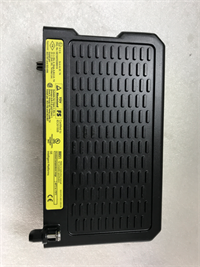
- Physical Form: DIN rail mount, with front-accessible terminals and status LEDs (Power OK, Fault)
- Input Voltage: 24 VDC nominal (typically powered from system-level DC distribution)
System Role and Downtime Impact
The GE RS-FS-9001 is a critical infrastructure component in Foundation Fieldbus-based process control systems, commonly deployed in oil & gas, refining, and chemical plants. It supplies regulated, intrinsically safe power to a Fieldbus H1 segment—often hosting 8 to 16 smart field devices such as transmitters, valve positioners, and analyzers. Unlike conventional 4–20 mA loops, Fieldbus segments rely entirely on this single power source for both communication and device operation. If the RS-FS-9001 fails and redundancy is not properly configured or also degraded, the entire segment goes offline. This results in loss of all process measurements and control outputs on that segment, potentially triggering alarms, forcing manual operation, or initiating emergency shutdown sequences. In safety-critical applications, such a failure can compromise functional safety integrity.
Reliability Analysis and Common Failure Modes
Despite its robust industrial design, the RS-FS-9001 exhibits age-related vulnerabilities due to its reliance on analog power electronics and passive components. The most frequent failure mode involves degradation of internal electrolytic capacitors in the DC-DC conversion and filtering stages. Over time—especially in high-temperature environments—these capacitors lose capacitance, leading to output voltage ripple, instability, or complete dropout under load. Additionally, the current-limiting circuitry can drift, causing premature shutdown during normal device inrush (e.g., when multiple valve positioners activate simultaneously).
A key design limitation is the lack of remote diagnostics; fault indication is limited to a local LED, requiring physical inspection. The unit is also sensitive to input power quality—voltage sags or transients on the 24VDC supply rail can stress components and accelerate wear. For maintenance teams, recommended actions include: periodic thermal imaging of the unit during operation to detect abnormal heating, measuring output voltage under load during plant turnarounds, verifying redundancy switchover functionality via simulated failure tests, and ensuring proper grounding of the Fieldbus shield to prevent common-mode noise from stressing the output stage.
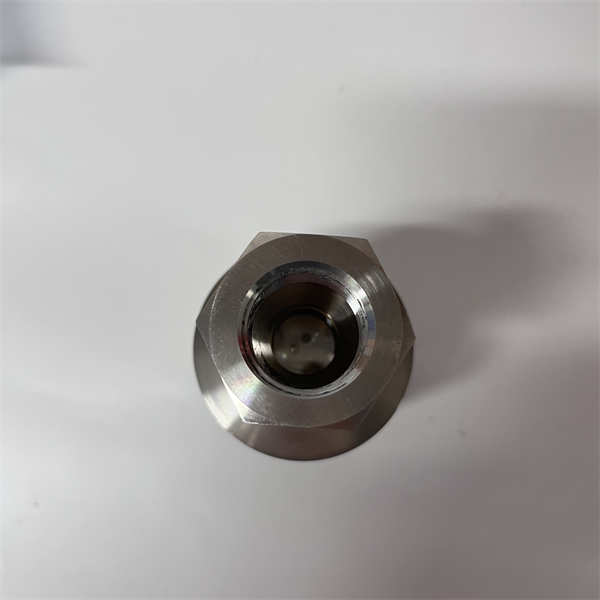
GE RS-FS-9001
Lifecycle Status and Migration Strategy
GE discontinued the RS-FS-9001 following the divestiture of its Fieldbus product line. No new units are manufactured, and official support—including repair services and firmware updates (though minimal)—has ceased. Continuing to operate with this module carries substantial risk: genuine spares are nearly exhausted, counterfeit or refurbished units without proper IS certification may appear in gray markets, and compatibility with modern asset management tools (like AMS Device Manager) is increasingly tenuous.
As a temporary mitigation, some operators maintain operational continuity by stockpiling tested spares, implementing enhanced monitoring (e.g., segment voltage logging), or using third-party IS power conditioners with equivalent electrical characteristics—but these require careful re-certification for hazardous area compliance.
The industry-standard migration path is to replace the entire Fieldbus segment infrastructure with modern alternatives. Options include: upgrading to newer IS power supplies from vendors like Pepperl+Fuchs (e.g., FBP series) or Moore Industries (FIPT), or transitioning affected loops to conventional 4–20 mA with HART for improved supportability. For new projects, many operators are bypassing Fieldbus altogether in favor of Ethernet-APL. Any migration requires re-validation of intrinsic safety parameters, updated P&IDs, and potentially re-commissioning of field devices—but it is the only sustainable approach to eliminate single-point failure risk and restore long-term technical supportability.