 Tel:
Tel:  Email:
  WhatsApp:
 Description
Key Technical Specifications (For Spare Parts Verification)
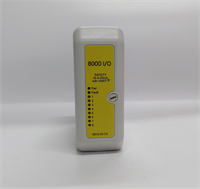
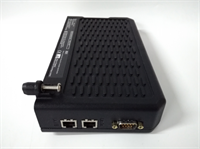
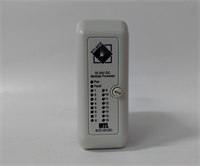
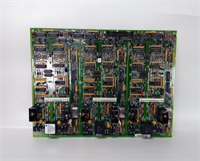
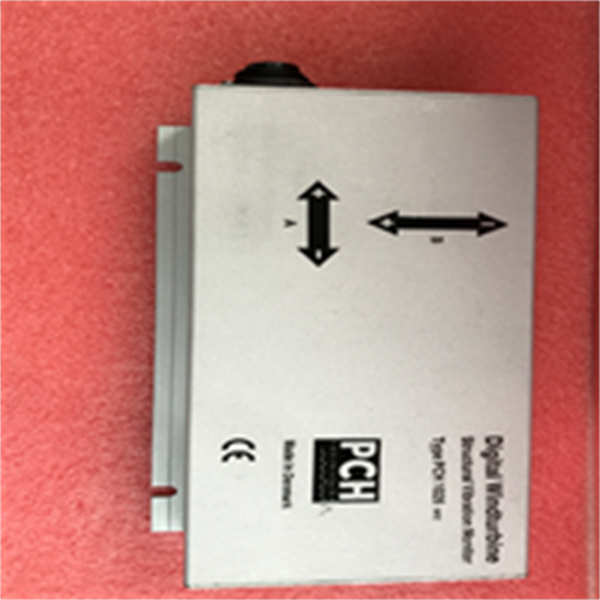
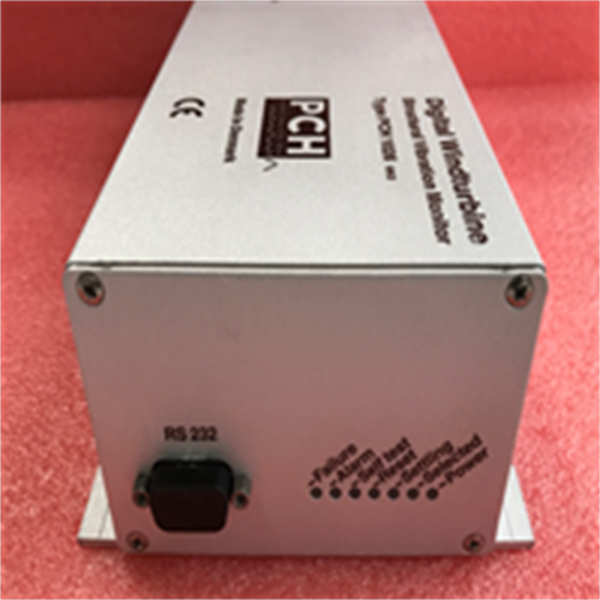
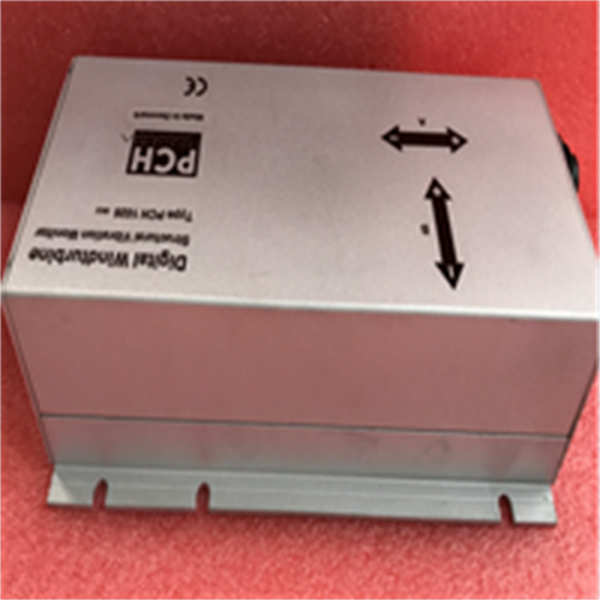
- Product Model: PCH1026
- Manufacturer: GE Grid Solutions
- Product Family: Universal Relay (UR) Series I/O Modules
- Compatible Host Relays: F650, L90, D60, T60, and other UR platforms with I/O expansion slots
- Digital Inputs: 16 isolated binary inputs (typically 48–250 VDC/VAC)
- Digital Outputs: 8 electromechanical output relays (rated for 10 A @ 250 VAC/30 VDC)
- Isolation: Reinforced insulation between field wiring and internal logic (per IEC 61010)
- Mounting: Plug-in module into rear or side I/O bay of UR relay chassis
- Communication: Interfaces directly with UR main CPU via internal backplane bus
- Standards Compliance: IEC 60255, IEEE C37.90, CSA C22.2 No. 142
- Operating Temperature: -40°C to +70°C
System Role and Downtime Impact
The GE PCH1026 is commonly installed in utility substations, industrial power plants, and rail traction systems commissioned between the early 2000s and 2015. It enables critical functions such as remote circuit breaker trip/close commands, breaker auxiliary contact monitoring, transfer trip signaling, and alarm dry contacts to SCADA. Because it often handles safety-critical control circuits, its failure can result in loss of remote operability or false indications that mislead operators during fault conditions. In a radial distribution feeder, this might delay restoration; in a meshed transmission network, it could prevent proper zone isolation, escalating a local fault into a wider outage.
Reliability Analysis and Common Failure Modes
Despite robust industrial design, the PCH1026 is subject to long-term degradation in electrically harsh substation environments.
Common failure modes include:
- Output relay contact welding due to frequent operation or high inrush currents (e.g., from breaker coils), causing failure to open or unintended energization.
- Input optocoupler degradation, leading to missed status changes (e.g., “breaker closed” signal not detected).
- Backplane connector corrosion or fretting, resulting in intermittent communication with the UR CPU—often manifesting as “I/O module missing” alarms.
- Power supply decoupling capacitor aging on the module’s internal DC/DC converter, causing voltage droop under load and logic resets.
- PCB trace cracking near high-current relay terminals due to thermal cycling, creating open circuits.
Design limitations include lack of self-diagnostics for individual I/O points and reliance on mechanical relays with finite switching life (~100,000 operations). There is no LED indication per channel, making field troubleshooting difficult without test equipment.
Preventive maintenance recommendations:
- Perform annual functional tests of all output relays using secondary injection or manual command verification.
- Inspect terminal blocks for signs of overheating or loose connections.
- Clean and reseat the module during scheduled outages to mitigate connector issues.
- Monitor event logs in the host UR relay for I/O communication errors.
- Maintain spare modules in climate-controlled storage to minimize component aging.
PCH1026 GE
Lifecycle Status and Migration Strategy
GE has discontinued the PCH1026 as part of the evolution of the UR platform. While the UR series remains active, newer models (e.g., F650 v4.x, L90 v5.x) integrate higher-density I/O directly or use updated module families (e.g., PCH1028) with enhanced diagnostics. Official repair services and new-unit sales for the PCH1026 are no longer available.
Continued reliance introduces risk: untested surplus modules may have latent failures, and a sudden outage could take weeks to resolve due to sourcing delays.
Interim mitigation strategies include:
- Securing and functionally testing spare PCH1026 modules from decommissioned sites.
- Implementing redundant hardwired control paths for critical breakers where feasible.
- Using external I/O concentrators (e.g., Modbus RTU I/O blocks) as a backup for non-safety functions.
For permanent resolution, upgrade the host UR relay to a current hardware revision that supports modern I/O modules with built-in health monitoring and higher reliability. This typically requires:
- Replacing the entire UR chassis (not just the I/O module).
- Updating protection settings and revalidating coordination studies.
- Reconfiguring SCADA point maps to align with new I/O addressing.
Such an upgrade not only mitigates obsolescence risk but also enables access to cybersecurity features (IEC 62351), waveform capture, and native IEC 61850—enhancing both operational resilience and regulatory compliance. Until then, disciplined spares management and proactive testing remain essential.