 Tel:
Tel:  Email:
  WhatsApp:
 Description
Key Technical Specifications (For Spare Parts Verification)
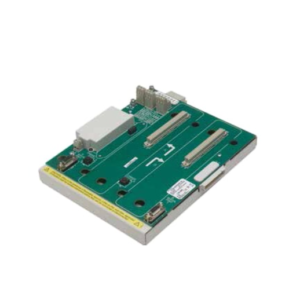
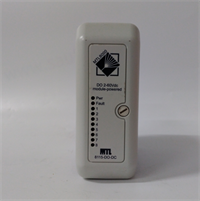
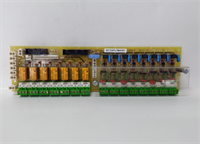
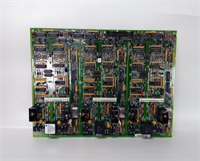
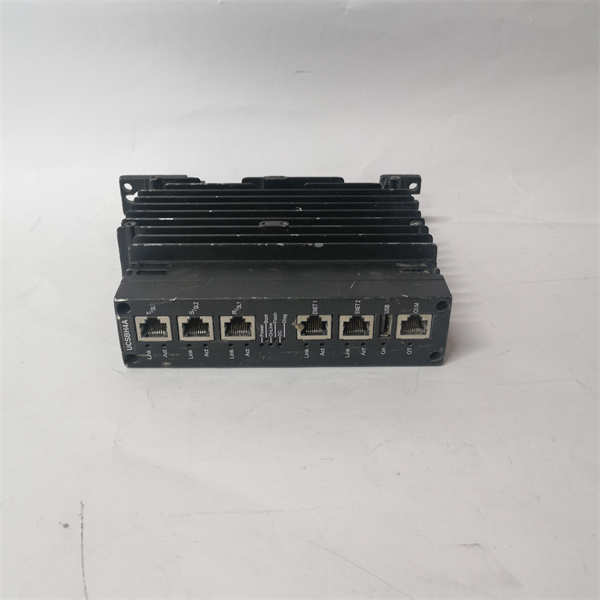
- Product Model: IS420UCSBH4A
- Manufacturer: GE Power (formerly GE Energy)
- System Family: Mark VIe Integrated Control System (for gas/steam turbines and compressors)
- Module Type: Universal I/O Pack (UCSB = Universal Control Signal Board)
- I/O Configuration: Supports mixed analog and digital signals per slot (software-configurable)
- Signal Types: 4–20 mA, 0–10 V, RTD (Pt100), thermocouple, dry contact, pulse input
- Isolation: Galvanic isolation between field and controller sides
- Redundancy Support: Designed for use in TMR (Triple Modular Redundant) or simplex configurations
- Connector Type: Field-side screw terminals; backplane connects to VME-based I/O controller
- Diagnostic Capability: Built-in self-test (BIT), channel-level fault reporting via ToolboxST
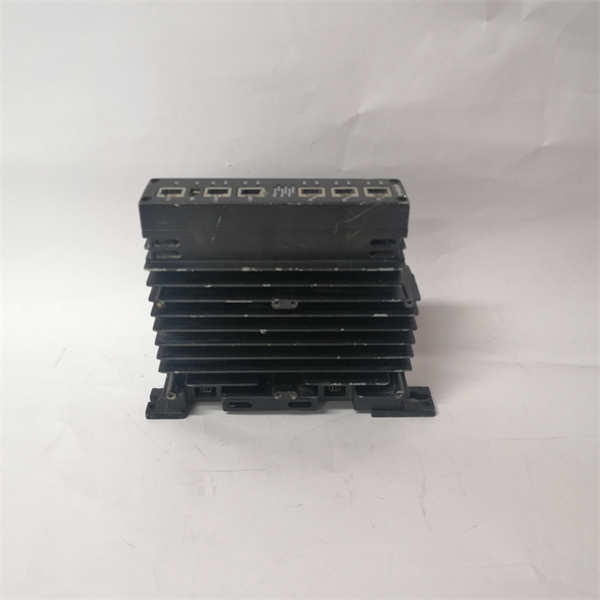
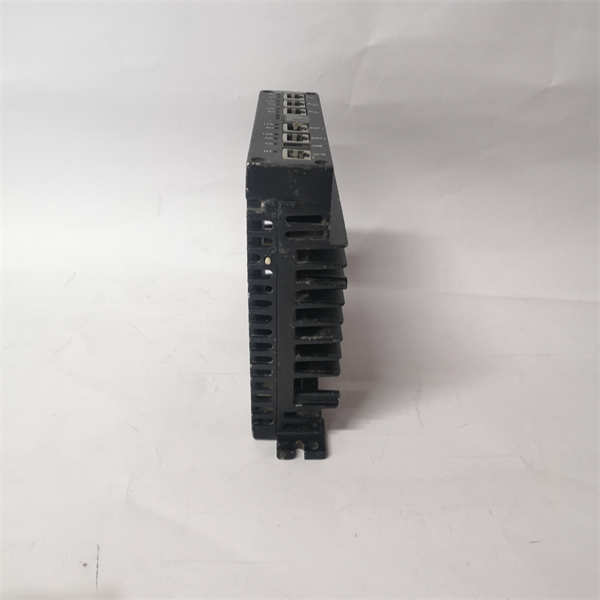
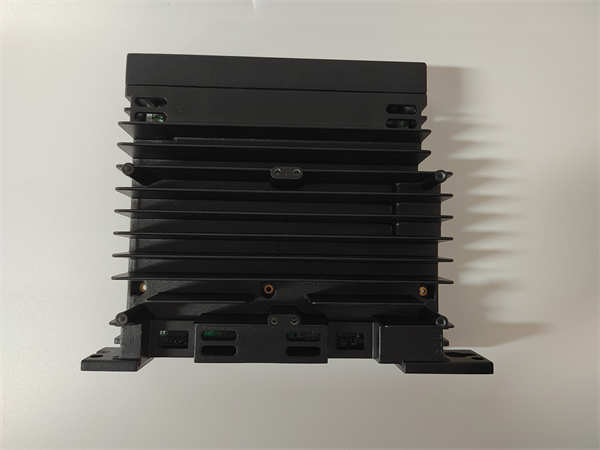
- Physical Form: Half-height I/O pack for Mark VIe I/O chassis (typically mounted in remote I/O racks near turbine skid)
System Role and Downtime Impact
The IS420UCSBH4A is a critical hardware layer in GE’s Mark VIe control architecture, widely deployed in power generation and oil & gas facilities for turbine control since the mid-2000s. It resides in I/O packs distributed across the turbine enclosure and serves as the physical interface for hundreds of field signals—such as vibration probes, exhaust thermocouples, fuel valve feedback, and speed pickups. In a TMR system, three identical UCSB packs operate in parallel for voting; failure of one may not cause immediate trip but degrades redundancy. However, in simplex or dual-redundant configurations, a single UCSB failure can disable essential protection functions, potentially forcing a controlled shutdown or, worse, leaving the turbine unprotected during a fault event. Given that turbine outages cost tens of thousands of dollars per hour, unplanned loss of I/O integrity poses significant operational and financial risk.
Reliability Analysis and Common Failure Modes
Although engineered for harsh environments, the IS420UCSBH4A is susceptible to predictable aging mechanisms. The most common failure mode is analog input drift or dropout, often caused by degradation of precision signal-conditioning components (e.g., instrumentation amplifiers or reference voltage sources) after prolonged exposure to heat and vibration. A second frequent issue is terminal block corrosion or loosening, especially in coastal or high-humidity plants, leading to intermittent signals or open circuits. Additionally, backplane connector fretting—due to thermal cycling—can cause communication loss between the UCSB and the I/O controller, triggering “I/O Fault” alarms in ToolboxST.
Design considerations include its dependence on proper chassis grounding and cooling; inadequate airflow in I/O cabinets accelerates component aging. For maintenance teams, recommended practices include:
- Performing annual loop calibration checks using certified test equipment
- Torquing terminal screws to specification during outages to prevent loosening
- Verifying cabinet cooling and sealing against moisture ingress
- Maintaining at least one tested spare per I/O type in climate-controlled storage
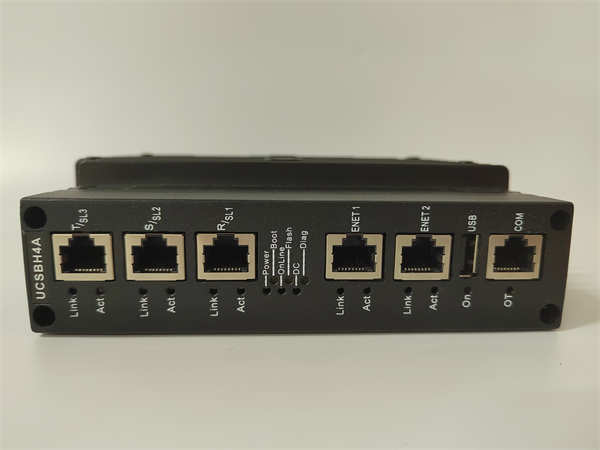
GE IS420UCSBH4A
Lifecycle Status and Migration Strategy
GE has phased out the IS420UCSBH4A as part of its transition from Mark VIe to the Mark VIeS and Opus platforms. While some legacy support remains through service agreements, no new units are being manufactured. Continued reliance on this module introduces supply chain vulnerability, especially as global Mark VIe installations age.
As an interim solution, operators may procure and functionally validate surplus modules, ensuring compatibility with their specific firmware and I/O configuration database. GE’s official migration path is to the Mark VIeS platform, which uses updated I/O packs (e.g., IS420UCSAH4A or newer variants) with enhanced diagnostics, cybersecurity features, and longer lifecycle support. Migration typically requires:
- Replacing I/O chassis and packs
- Updating control application in WorkstationST
- Retaining existing field wiring where possible (via adapter terminal blocks)
For facilities not planning full controller replacement, strategic stocking of tested spares—coupled with predictive maintenance—remains the most practical approach to mitigate obsolescence risk while extending asset life.